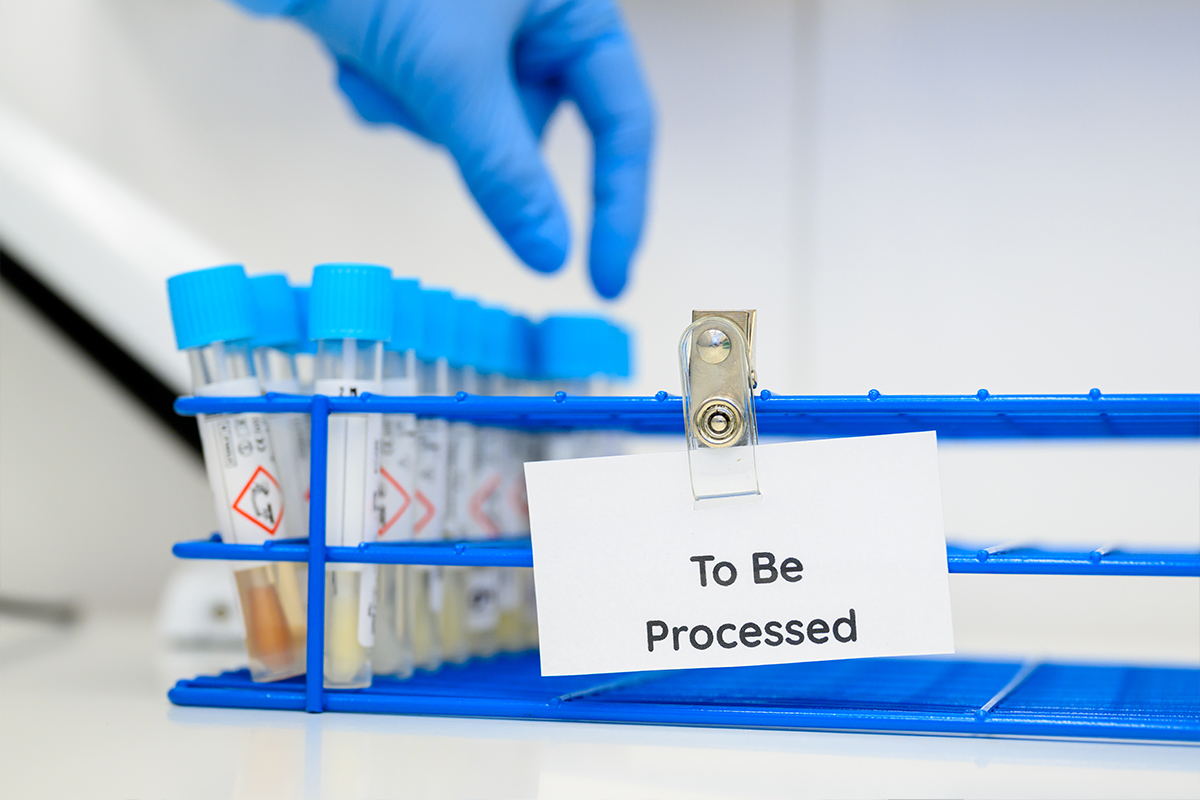


Funding backs new diagnostics platform as the company aims to improve how women’s health conditions are identified and managed.
Women’s health startup Juno Bio has secured $3.8 million in seed funding to expand its clinical diagnostics platform, marking a significant step in a field that has long suffered from underinvestment and underdiagnosis.
The round was led by Ada Ventures, with participation from Artesian, Entrepreneur First and Illumina Accelerator. The funding will support the launch of the company’s first CLIA-certified sequencing laboratory in Oakland, California, alongside a new clinical vaginal microbiome and STI test designed for healthcare providers.
The investment represents growing confidence that precision diagnostics for women’s health are becoming an important part of the next generation of preventive medicine.
Despite being one of the most common reasons women seek medical care, vaginal health remains an area where many patients struggle to find clear answers. Symptoms are often recurring, diagnoses can be inconsistent and treatments frequently rely on trial and error. Juno Bio believes better data can help change that. Rather than sending samples to external laboratories, the company now performs testing in-house. That gives it greater control over the entire process – from receiving a sample to delivering results – while allowing it to continuously refine its technology and build one of the largest datasets focused specifically on the vaginal microbiome.
The company has already sold more than 20,000 tests through its original consumer offering. This latest funding enables it to move beyond wellness testing into provider-led clinical care.
The newly launched clinical test examines the broader community of bacteria and fungi that naturally live in the vagina, alongside screening for four common sexually transmitted infections. Instead of looking for a single pathogen, the test aims to provide clinicians with a fuller picture of what may be contributing to symptoms. That broader view matters because vaginal health issues rarely follow a simple pattern. Multiple infections can occur simultaneously, while changes in the microbiome may influence conditions linked to fertility, menopause or recurrent infections.
“Vaginal microbiome testing has the potential to significantly reshape how we understand and manage vaginal health, particularly for patients with recurrent or unexplained symptoms,” said Dr Anna Powell of Johns Hopkins. “While the field is still evolving, advances in sequencing and data interpretation are moving us closer to a future where more personalized, microbiome-informed care can complement existing diagnostic approaches.”
The announcement also reflects a broader trend across health technology: investors are increasingly backing companies that build the scientific infrastructure behind precision medicine rather than simply creating consumer-facing digital products. By operating its own CLIA-certified laboratory, Juno Bio gains the ability to improve testing more quickly while generating proprietary clinical data that could support future research and product development.
Hana Janebdar, the cofounder and CEO of Juno Bio, explained that over the past five years, the company has evolved from a pioneering vaginal microbiome test into a clinical platform that is advancing a new standard of care for women’s health. She noted that they have established one of the largest repositories of vaginal microbiome data, provided clearer answers to thousands of women, expanded their clinical and scientific infrastructure and strengthened their partnerships across both research and care delivery.
“This next chapter is about scaling that work, expanding access to more actionable care, and continuing to close the gender health gap. We’re incredibly grateful to our investors and partners for their trust in our team and our vision as we move into this next stage of growth,” she added.
Investor enthusiasm reflects the scale of the opportunity.
“Juno Bio is setting a new standard for how vaginal health is understood and managed,” said Check Warner, Co-founding Partner at Ada Ventures. “What they’ve built at this stage, with this level of capital efficiency, is exceptional. We’re proud to support the team as they scale their clinical infrastructure and continue leading innovation in this critically underserved category.”
Longevity is often associated with aging clocks, genetics or advanced therapeutics, but healthy aging also depends on addressing conditions that have historically received too little scientific attention. Women’s reproductive health is one such area. Chronic infections, persistent inflammation and repeated cycles of ineffective treatment can affect quality of life for years, while gaps in diagnosis create unnecessary healthcare costs and prolonged patient frustration.
Juno Bio’s own data highlights the challenge: before using its test, nearly 68% of customers had been incorrectly diagnosed in some way, while only 13% reported receiving successful treatment. The company also found that around half of users had multiple infections occurring simultaneously – something conventional testing can easily miss.
“The vaginal microbiome is still one of the least understood systems in the body at a clinical scale. With our lab, we’re starting to build a measurement standard that clinicians can actually use,” said Dr Leighton Turner, cofounder and CSO of Juno Bio. “We believe the level of detail from this kind of testing can meaningfully improve how vaginal healthcare is provided.”
As longevity medicine continues shifting toward earlier intervention and more personalized care, investment is expanding beyond lifespan technologies alone. Companies that improve the precision of everyday healthcare – particularly in historically overlooked areas such as women’s health – may ultimately have an equally important role in helping people live healthier, longer lives.
Photographs courtesy of Juno Bio
Source link