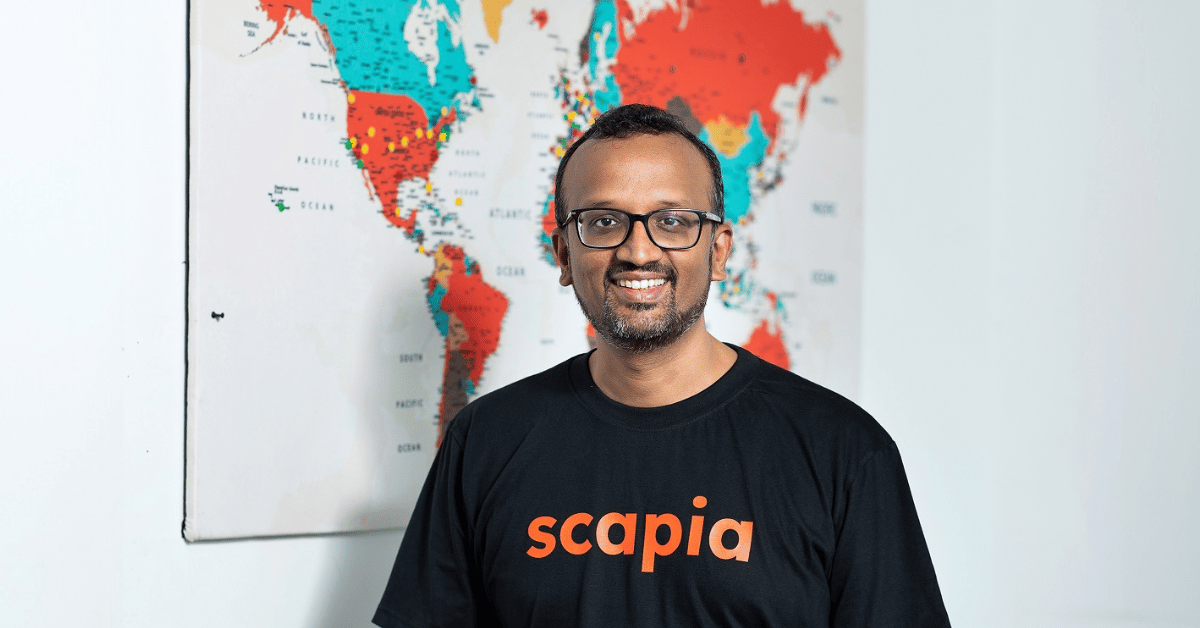
Travel-focused fintech startup Scapia has announced an ESOP (employee stock ownership plan) buyback programme worth ₹20 Cr
Scapia’s ESOP buyback adds to a broader trend of startups rolling out similar liquidity events for its employees
The initiative would enable eligible Scapia employees to liquidate up to 10% of their stock options
Travel-focused fintech startup Scapia has announced an ESOP (employee stock ownership plan) buyback programme worth ₹20 Cr.
The initiative would enable eligible Scapia employees to liquidate up to 10% of their stock options.
“Building something new takes passion and conviction, and we have been fortunate to have an incredible team. This buyback is one way of recognising their contribution, and I hope it is the first of many such moments,” founder and CEO Anil Goteti said.
The buyback announcement follows the startup’s recent fundraise of $63 Mn (around ₹600 Cr) in a fresh round to accelerate its AI-first approach for building products and teams while increasing the customer base across India.
Overall, the startup has raised over $135 Mn to date, from investors like General Catalyst, Peak XV Partners, Elevation Capital, Z47 and Binny Bansal’s 3STATE Capital.
Founded in 2022 by Goteti, Scapia offers co-branded credit cards in partnership with Federal Bank and Bank of Baroda, tailored for Gen Z and millennial travellers. Operating on the Visa network, the card provides benefits such as zero forex markup, unlimited domestic lounge access, and travel-focused rewards, among others.
Scapia co-branded credit cards today currently serve users across 17,500 pincodes in India and are accepted by merchants in over 150 countries.
Scapia’s ESOP buyback adds to a broader trend of startups rolling out similar liquidity events for its employees.
So far this year, seven startups across various business sectors including Plum Insurance, Innovaccer, Emversity, CoinDCX, Atlys, Unacademy and Tractor Junction have announced ESOP buybacks.
ESOP buybacks help startups bolster employee retention and enhance their employer branding.