- African climate technology startups raised about $6.35 billion between 2016 and 2025, with annual funding increasing more than sevenfold to over $1.5 billion.
- The sector accounted for nearly 40% of Africa’s disclosed venture capital funding in 2025, overtaking fintech, but still attracted only 3–4% of global climate technology investment.
- Funding remains highly concentrated, with the top 20 companies capturing 60% of total capital and Kenya, Nigeria, and South Africa accounting for about 76% of all climate technology financing.
Africa’s climate technology (climatetech) sector has emerged as the continent’s largest venture capital destination, but its rapid expansion continues to mask deep structural imbalances, according to a new report by research firm Briter Bridges in partnership with Catalyst Fund, FSD Africa, and BFA Global, with support from Africa: The Big Deal.
The report, titled The State of ClimateTech in Africa 2.0: Moving Beyond the Headline Numbers, reviews climate technology financing across Africa between 2016 and 2025. It shows that annual funding increased more than sevenfold during the decade while exposing persistent concentration across companies, sectors, and countries.
A Decade of Growth, but a Highly Concentrated Market
African climate technology companies increased annual fundraising from $206 million across 28 companies in 2016 to more than $1.5 billion raised by 223 companies in 2025. Over the entire 2016–2025 period, 779 companies secured approximately $6.35 billion in financing.
The sector represented nearly 40% of all disclosed venture capital investment in Africa in 2025, compared with 13% in 2016, allowing climate technology to surpass fintech as the continent’s largest investment category. However, the report notes that Africa still attracts only 3% to 4% of global climate technology funding.
Nevertheless, funding remains heavily concentrated. The 20 best-funded companies captured 60% of all climate technology capital raised since 2016, while the top 10 companies alone attracted as much capital as every other company combined.
The leading recipients include Sun King (formerly Greenlight Planet), which raised about $992 million, followed by d.light with $489.7 million, CrossBoundary Energy with $351.5 million, Spiro with $278 million, and M-KOPA with $165.3 million.
Energy Remains the Dominant Sector as Mobility Gains Momentum
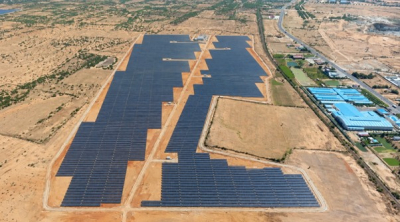
The energy sector attracted about 65% of all African climate technology funding between 2019 and 2025, while power generation alone accounted for nearly 60% of total deployed capital.
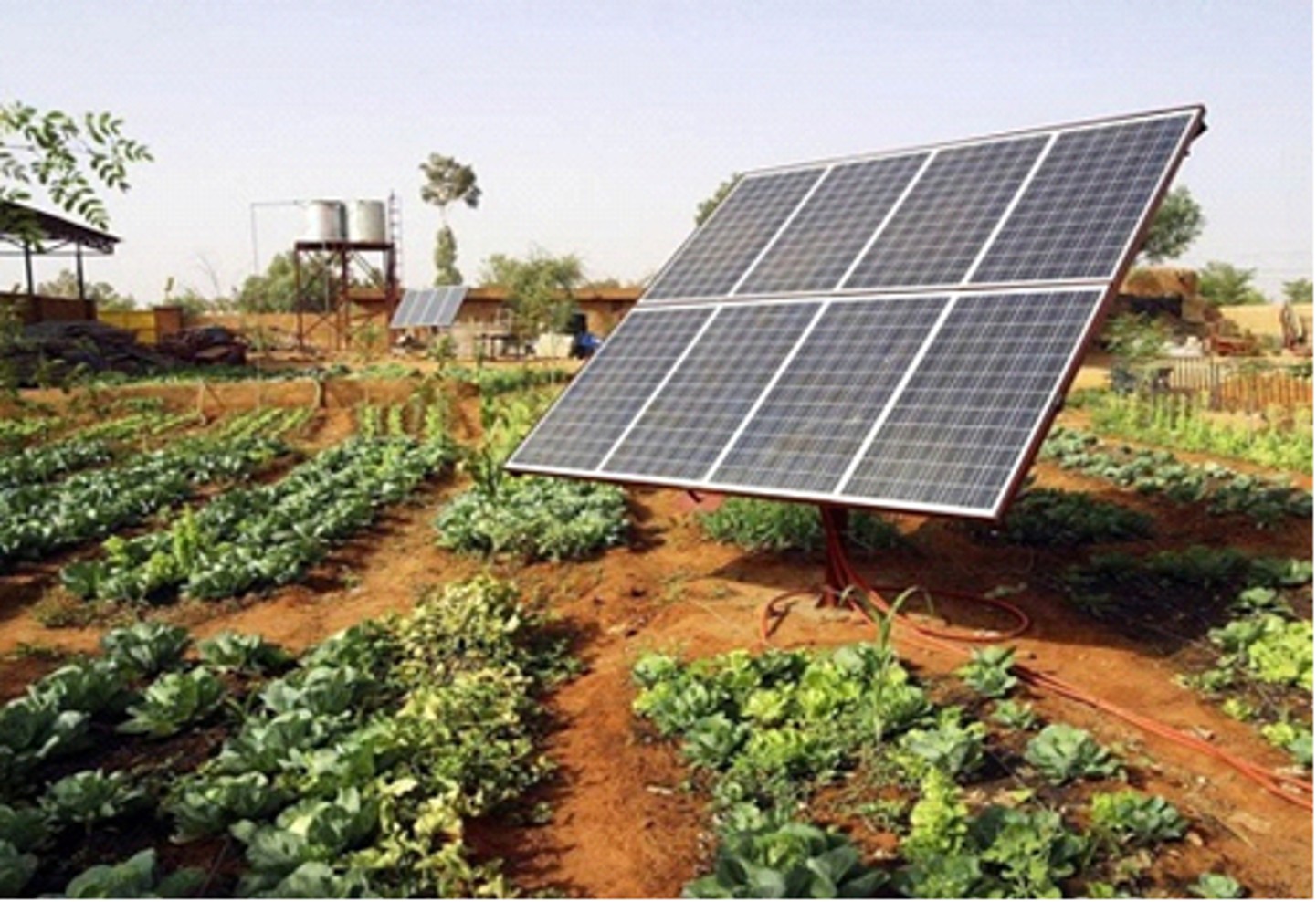
Mobility and transport ranked second with approximately 11% of total funding, well ahead of other segments such as carbon solutions and water access, which shared comparatively smaller portions of investment despite recording a higher volume of transactions.
Although energy absorbed most of the capital, it represented only around 30% of all deals. By contrast, agriculture, food systems, and the circular economy accounted for 46% of total transactions, highlighting strong entrepreneurial activity that has yet to translate into larger funding rounds.
Kenya, Nigeria and South Africa Continue to Dominate
Kenya maintained a commanding lead by attracting slightly more than half of all climate technology funding raised during the period.
Together, Kenya, Nigeria, and South Africa accounted for approximately 76% of the continent’s total climate technology financing.
Other countries—including Benin, Rwanda, Ghana, Egypt, Mauritius, and Tanzania appeared periodically among the leading investment destinations, largely because of a handful of sizeable transactions rather than sustained fundraising activity.
The report also notes that Benin, Ghana, Egypt, and Mauritius periodically ranked among the leading recipients due to large individual deals.
However, transaction activity proved more geographically diversified. Kenya, Nigeria, and South Africa represented 58% of all climate technology deals, suggesting that entrepreneurial activity extends beyond the concentration implied by funding volumes.
Financing Diversifies Beyond Equity
The report highlights a gradual diversification of financing instruments.
While grants and equity investments continued to dominate transaction volumes, debt financing and hybrid instruments generated significantly larger ticket sizes. In 2025, debt and hybrid financing accounted for nearly half of the total value of climate technology funding, reflecting the growing participation of development finance institutions, commercial banks, and institutional investors.
However, the authors note that early-stage equity financing remains extremely limited. Between 2019 and 2025, funding rounds below $500,000 accounted for less than 0.5% of total sector financing, creating a bottleneck that restricts the pipeline of startups capable of absorbing larger investments later.
An Analytical Framework Beyond Funding Totals
Beyond funding statistics, the report introduces a new analytical framework based on economist Carlota Perez’s theory of technological revolutions. The framework classifies sectors into five stages of maturity—eruption, frenzy, turning point, synergy, and maturity—to assess the development of Africa’s climate technology ecosystem.
The authors identify power generation as the segment closest to maturity. They conclude that light electric mobility has advanced rapidly between the frenzy and turning-point phases, while segments such as construction materials and water access remain in the early eruption stage.
The report concludes that Africa’s climate technology ecosystem no longer faces a simple capital shortage. Instead, the authors argue that the key challenge involves providing the right type of financing at the appropriate stage of company development and under suitable conditions. They call on donors, investors, and policymakers to improve coordination between grants, debt financing, guarantees, and sector-specific policies.
Source link