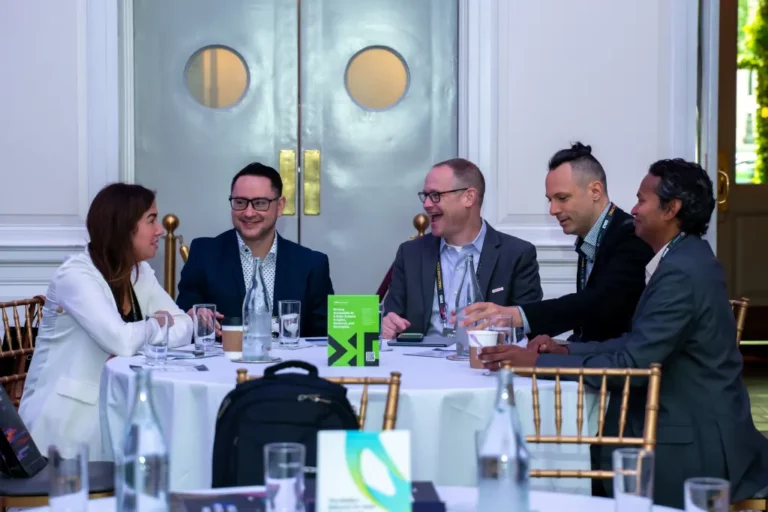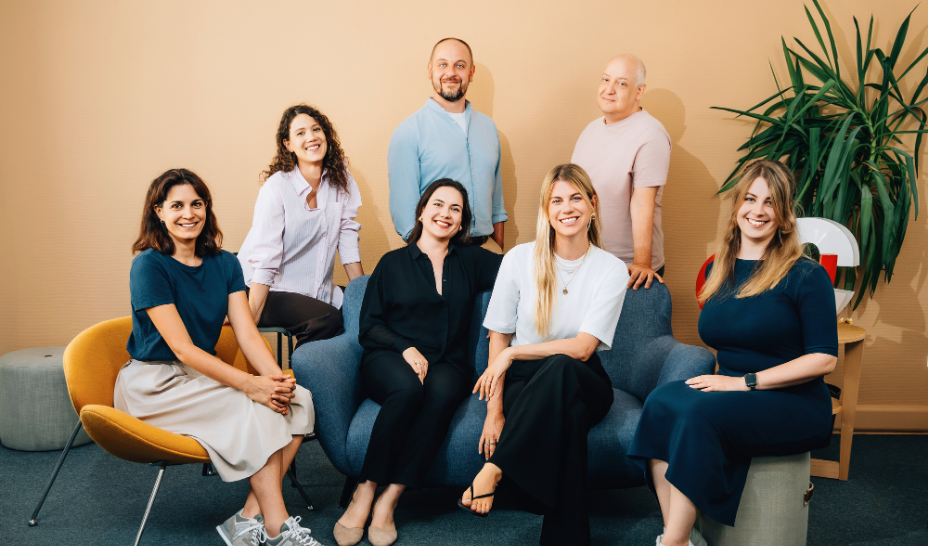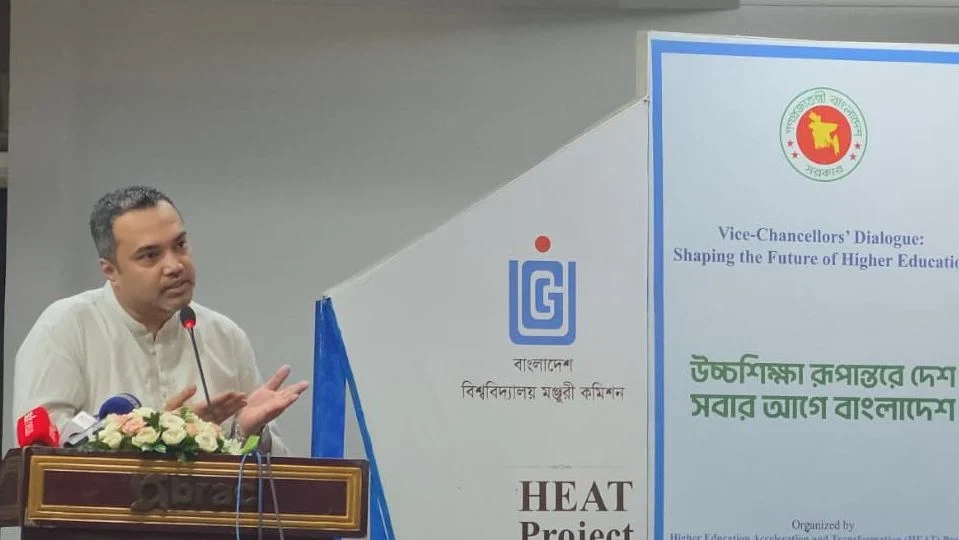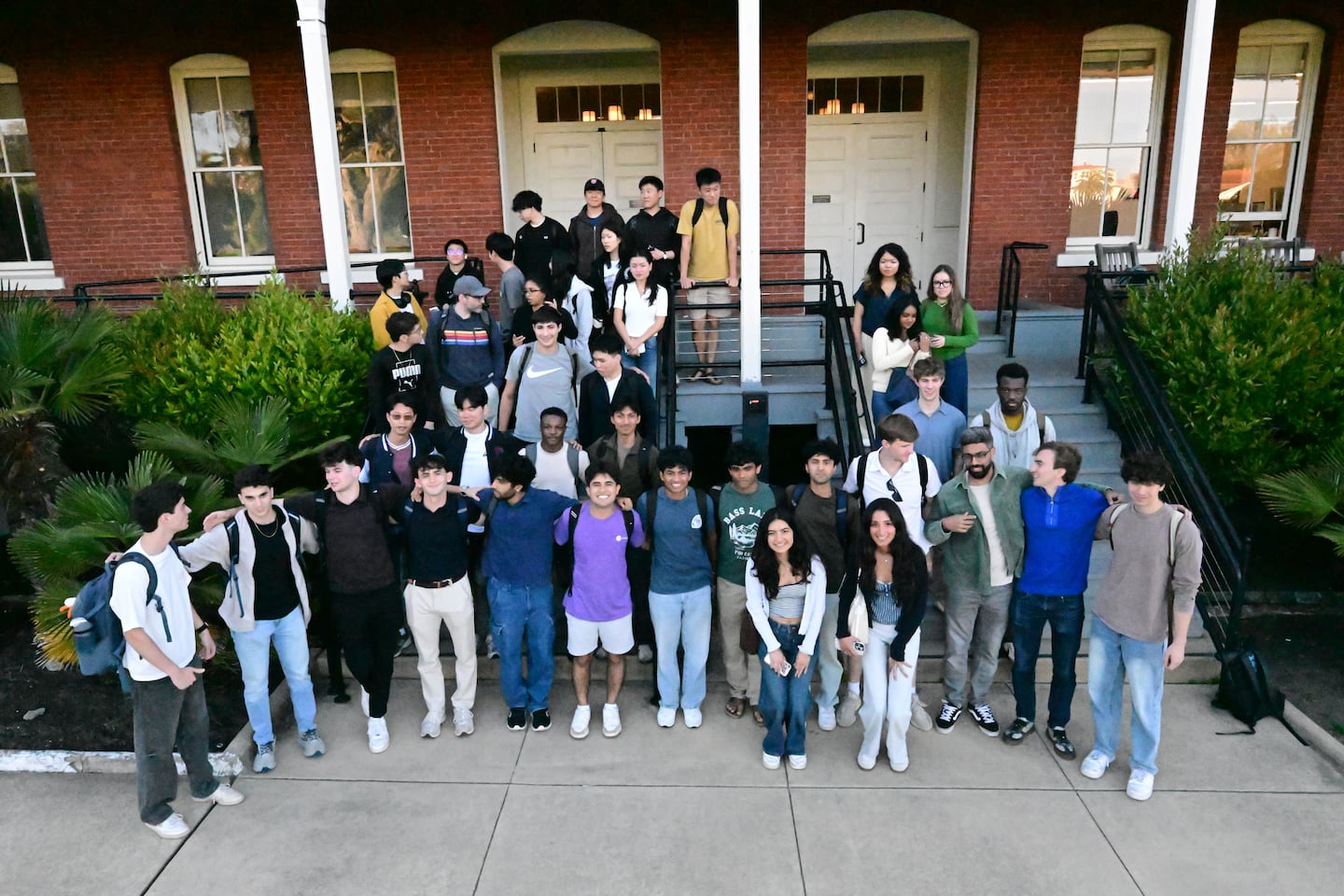
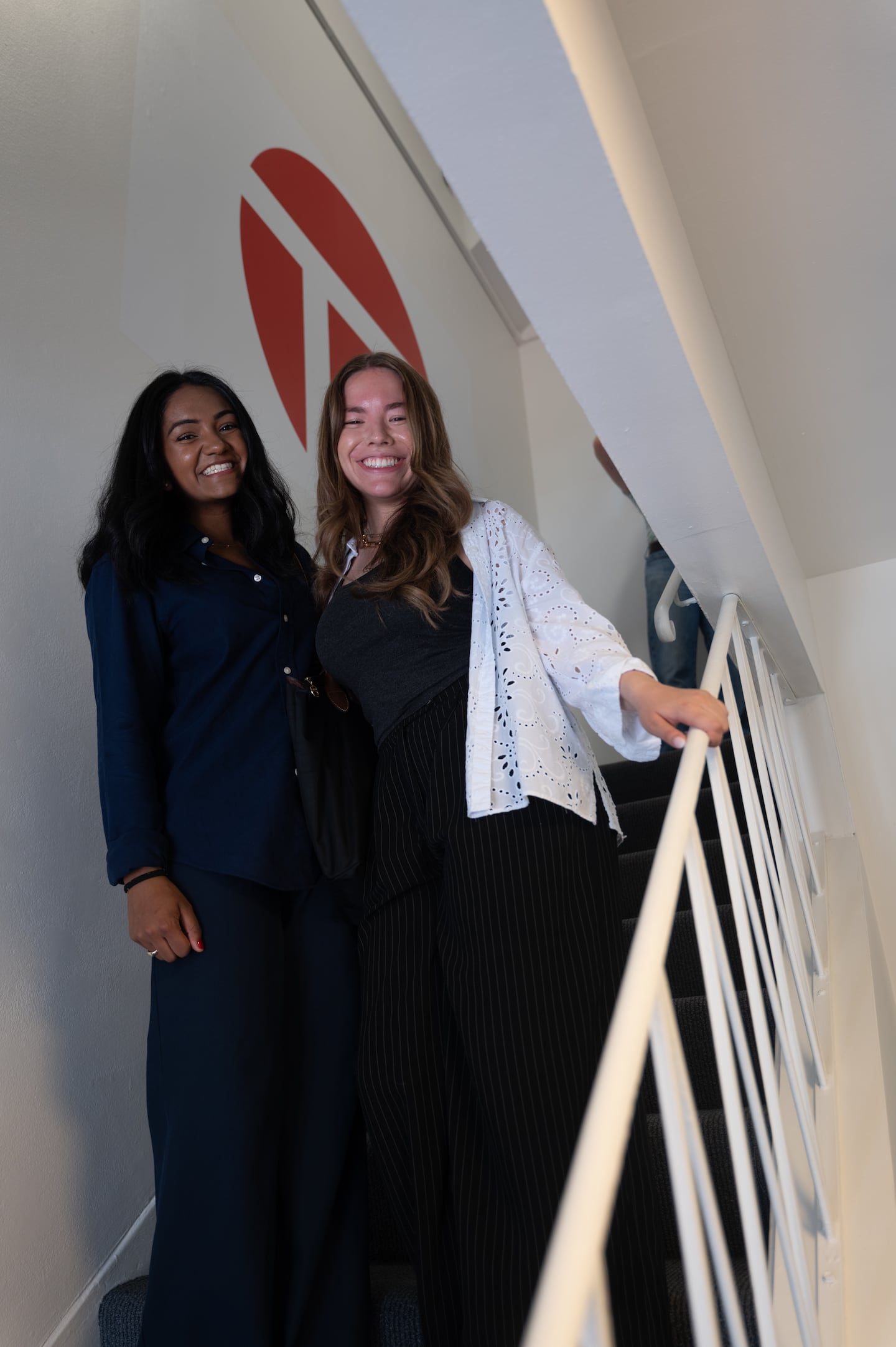




John Werner is taking a different approach. This summer, the energetic startup investor and MIT lecturer created a program dubbed “TekTrek” to help 44 mostly local students get their startups off the ground. Funding came from former Google chief executive Eric Schmidt and entrepreneur investors David Siegel and Dave Blundin. The student group included 11 from MIT, 12 from Harvard, 16 from Princeton (Schmidt’s alma mater), and five from other schools.
Werner is a constant presence on the Boston tech scene, putting on conferences, looking for promising startups, and making introductions among his many contacts at events across the city.
But Werner didn’t base his accelerator program, run out of his nonprofit, Ideas in Action, in Boston. Surprisingly, he took the students to San Francisco for two months, put them up in a big house in the Pacific Heights neighborhood, and provided mentors and coworking space. Special events ranged from a tour of Google headquarters to meeting top executives from companies such as Apple, Intel, and Nvidia over dinner.
Was he hoping the cold San Francisco summer would scare them off? Not exactly.
Taking the kids closer to the heart of Silicon Valley exposed them to the region’s burgeoning AI scene and the success of the tech giants, Werner explained. Many would likely have ended up on the West Coast without the TekTrek program, and Werner said he hoped to give the students the benefit of learning about Silicon Valley while still convincing some to stay on the East Coast.
“I can’t get the CEO of Intel [Lip-Bu Tan] to Boston,“ Werner explained. “He’s an MIT grad, so I can get him to meet kids from the East Coast on the West Coast and give them advice and give perspective and give access.”
The students worked hard but had plenty of time to bond. “I had never met so many smart, generous, genuinely interesting people in so little time,” said Julia Alvarenga, who graduated from Harvard this year and is working on an AI marketing startup called The Yard. “It felt less like a program than a community we were lucky to stumble into.”
This month, the group returned to Massachusetts for a few more events, including a talk by Mayor Michelle Wu at the home of former Facebook and Uber exec Ed Baker and a pitch showcase at MIT’s Stata Auditorium in front of dozens of local venture capital investors.
Werner acted as MC with his usual flare, drawing connections between the Longfellow Bridge over the Charles and the Golden Gate Bridge, name-dropping the many tech celebrities who supported TekTrek, and working in nuggets of Boston tech trivia (who knew Charles Stark Draper, founder of Draper Labs, was the inspiration for DC Comics’ Ironman?).
With dozens of Boston VCs watching, Brian Elliot, cofounder and CEO of AI programming startup Blitzy, opened the pitch event by presenting an early pitch from his company’s seed financing round. “So John ambushed me, like he does, and he said, ‘Didn’t you have a really bad seed deck?’” Elliot explained. “We’re going to show all these investors it doesn’t really matter how bad your deck is.”
Jeff Bussgang, general partner at Flybridge Capital, attended and said he was impressed with some of the startups. “There were substantive, high quality pitches,” Bussgang said. Whether many will stay in Boston, “time will tell.”
Alvarenga and her cofounder and Harvard friend Alice Jacob offered the last pitch of the day. “We know it’s been a long day so our goal is to get you excited again,” Jacob told the crowd, as the pair energetically described how they would use AI to help connect college influencers with big brands. While some of the TekTrek founders are already planning to return to Silicon Valley, Alvarenga and Jacob said their student-focused startup would be based in Boston, providing some validation for Werner’s strategy.
But Emilka Puchalski, who finished her sophomore year at Princeton, said the health sensor startup she cofounded, Tomos Devices, probably would end up in California. “It makes sense for what we’re doing,” she said after the pitches.
Werner remained high-energy and pleased with his efforts, even a week later.
“We wanted to put them into the slipstream of what’s going on out there and have it not be a mystery,” he said this week. “We wanted them to see how they could be on both coasts, but we wanted them to see that staying here is an option.”
🌎 Massachusetts doles out $27 million in tax credits to climate-tech firms. Read more from business reporter Jon Chesto.
🚓 Stow police department cuts ties with Flock Safety after determining officer used system to find personal info, officials say. Read more from Globe correspondent Bryan Hecht.
😎 How I learned to stop worrying and love the AI apocalypse. Read more from business columnist Larry Edelman.
🔑 Whoop plans to lease additional space in Boston before going public. Read more from real estate reporter Catherine Carlock.
👀 Online monitoring firm Dynatrace in Boston agreed to pay $915 million to acquire AI monitoring firm Arize based in San Francisco. The company also raised $1.25 billion through a private sale of senior unsecured notes.
💰 Venture capital firm Floating Point in Boston raised $125 million for its third fund.
🏥 Health care AI software startup Bios Life in Boston raised $25 million in a deal led by Redmile, Vsquared Ventures, and Kindred Capital.
🌡️ Boston-based Reservoir, building high-tech water heaters, raised $8 million in a deal led by Asymmetric Capital and including Founder Collective and MCJ.
📝 Edtech startup Codio in Cambridge raised $5 million in a deal led by Armada Investment.
🖨️ 3D printing company Formlabs in Somerville said it received an undisclosed amount of equity investment from Rob Willett, board member and former CEO of Cognex, and Dan Riccio, Apple’s former senior vice president of hardware engineering. Riccio is also joining the company as a strategic advisor.
🖥️ IT services company Focus Technology in Boston acquired New York-based Converged Technology Group. Terms of the deal were not disclosed.
🤝 Industrial software firm LLumin in Springfield was acquired by Utah-based CAI Software. Terms of the deal were not disclosed.
🤖 Automation software firm Realtime Robotics in Boston promoted president and chief commercial officer Kevin Carlin to chief executive. Prior CEO and cofounder Peter Howard continues as chair of the board.
🔋 Battery developer SES AI in Woburn added Paul Diemer, former chief technology officer for Flex’s power business, to its board of directors.
💵 Private equity firm Great Hill Partners in Boston hired Sam Liu as director of AI for its growth team. Liu previously was an associate partner at Bain & Co.
💦 Water tech company Gradiant in Boston hired Nish Vora as managing director of the Americas. Vora previously was vice president at Veolia Water Technologies and Solutions.
🩺 Health data company Azara Healthcare in Burlington hired Ashley Basile as chief strategy officer and Josh Taylor as chief revenue officer. Basile previously was chief product officer of clinical solutions at Availity. Taylor was chief growth officer at symplr.
👋 Online insurance site Insurify in Cambridge has hired Jake Bouvrie as chief AI officer. Bouvrie previously led machine learning and AI at Kayak.
👁️ Flock Safety announced changes intended to quell privacy concerns and address abuses of its system by some members of law enforcement.
No data centers in my backyard (Jasmine Sun)
‘Brand-new everything’: How data centers transformed this small town’s economy (CNN)
America’s Best Incubators and Accelerators of 2026 (Time)
👋 Thanks for reading. We’ll be will be back next Wednesday.
❓ Have a tip? Email Aaron at [email protected].
✍🏼 If someone sent you this newsletter, you can sign up for your own copy.
Aaron Pressman can be reached at [email protected]. Follow him @ampressman.
Source link