A drone company that doesn’t build attack drones just became one of Europe’s most valuable defense startups. Tekever, whose AI-powered surveillance aircraft have flown over Ukraine since 2022, is now worth $6.4 billion after a fresh funding round, and it arrives as European governments race to rebuild their militaries. Here’s what Tekever actually sells, why investors are paying up, and what the deal tells you about where defense money is heading.
The Deal in Numbers
| Detail | Figure |
| Round | Series D, first close |
| Amount raised | $580 million |
| New valuation | $6.4 billion |
| Previous valuation | Just over $1 billion (unicorn status, May 2025) |
| Lead investors | UC Investments, Baillie Gifford |
| Other backers | Merlyn Advisors (new), Crescent Cove, Ventura Capital, Iberis Capital |
| Flight hours in Ukraine | 50,000+ since 2022 |
In its official announcement, Tekever said more closings are expected in the coming months, so the final round could grow. A “unicorn” is a startup valued at $1 billion or more, and Tekever went from just clearing that bar to more than six times it in about 16 months.
Tekever Sells Eyes, Not Explosives
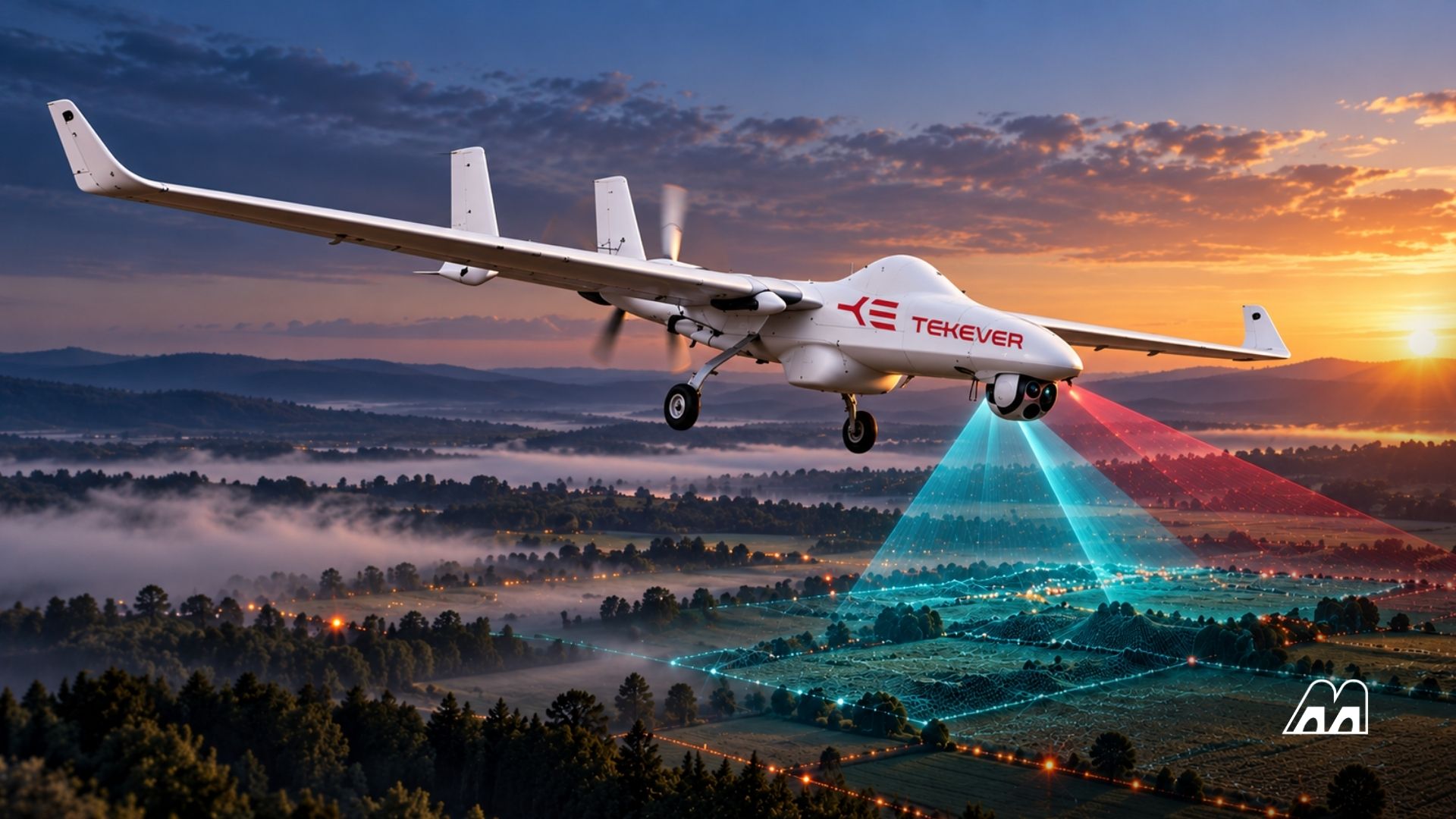
When people picture drones in Ukraine, they usually imagine small, cheap attack drones diving at tanks. Tekever does something different. Its aircraft handle ISR, which stands for intelligence, surveillance, and reconnaissance. In plain terms, they fly for hours, watch large areas with cameras and sensors, and use AI to flag what matters.
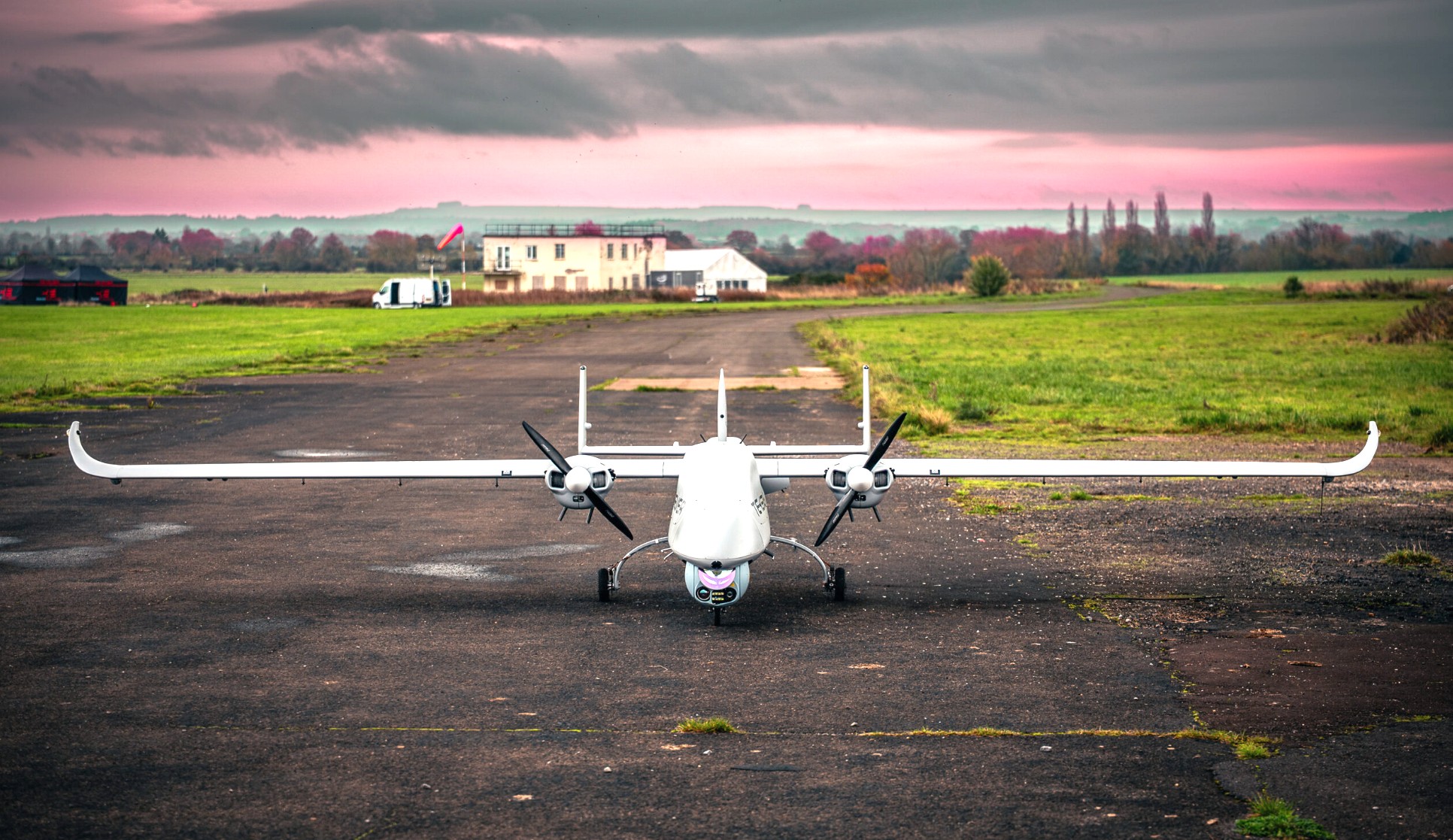
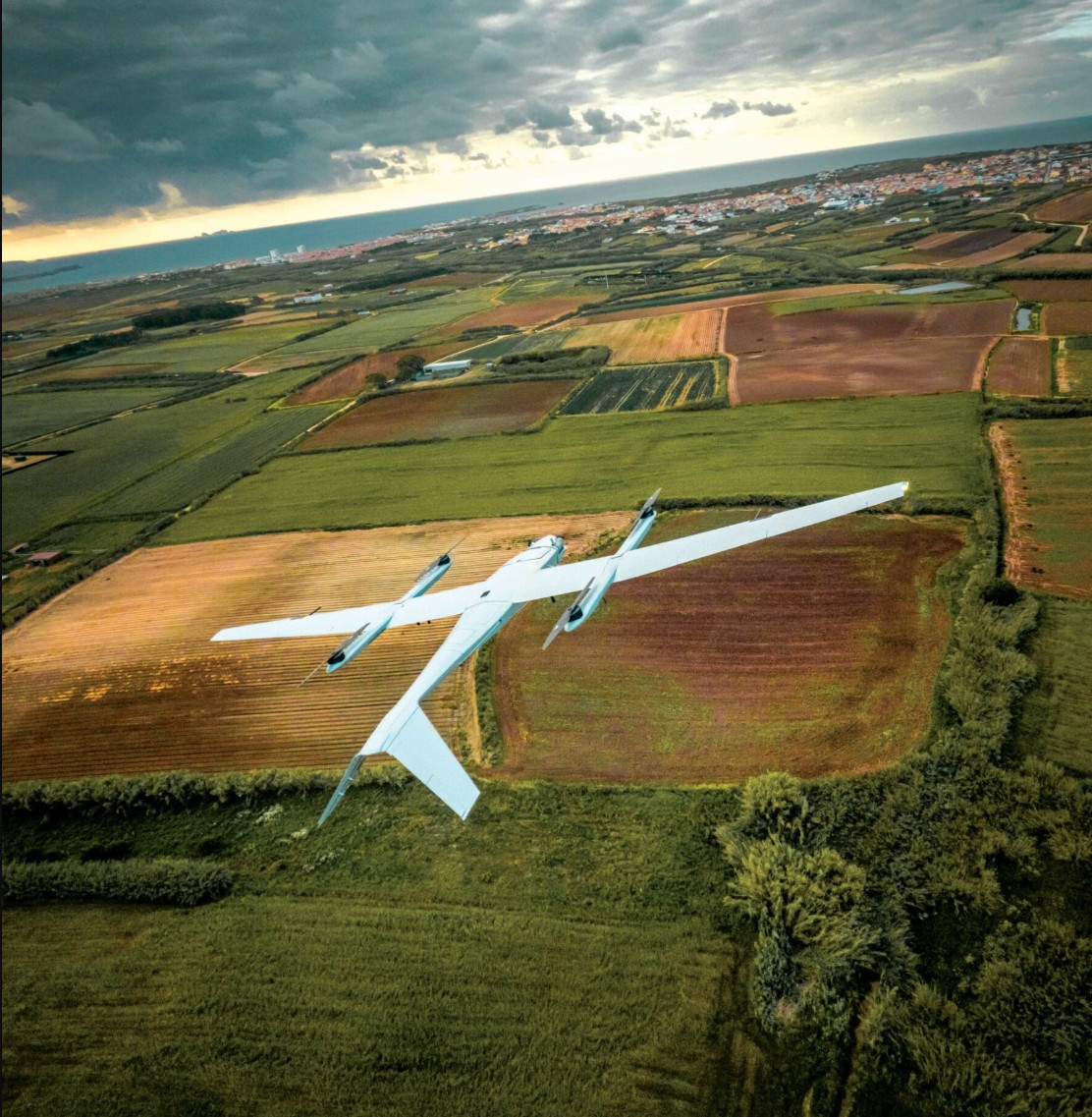
Its lineup includes the AR3, a fixed-wing drone that takes off vertically like a helicopter, and the larger AR5, which can carry up to 110 pounds of cameras and sensors. The AR5 won the UK’s CORVUS program, a British Army surveillance contract worth up to $530 million (£400 million) over 10 years. It replaces the Army’s aging Watchkeeper drones, starting with six aircraft and growing to as many as 24 by 2029, built in Swindon, England.
Here’s the part we think most coverage missed. Tekever also sells intelligence as a subscription. Instead of just buying hardware, a customer can pay for the information the drones collect. The UK Home Office has used Tekever drones to patrol the English Channel, for example.
From our perspective, that’s the real reason for the valuation. Attack drones are consumed on every mission, and competition keeps their prices low. Surveillance creates recurring data, and investors pay far more for steady, repeat revenue than for one-off hardware sales. Tekever looks less like a factory and more like a data company that happens to own aircraft.
The Rarest Word in Defense Tech: Profitable
Baillie Gifford, one of the lead investors, described Tekever as a rapidly growing and already profitable company, “a rare combination” in defense startups.
That matters. Many defense tech startups are still spending heavily to scale up factories and win their first large contracts. Tekever has a head start: it was founded in 2001, started out building banking software, and moved into drones by 2009. It spent years building aircraft before the war in Ukraine made that experience valuable.
We’d treat that history as Tekever’s biggest advantage. Combat-proven equipment is hard to fake, and 50,000 flight hours in a real war zone is the kind of track record governments want before they sign decade-long contracts.
A University Just Bought Into Military Drones
The detail that surprised us most is who led the round. UC Investments, which manages money for the University of California, co-led the deal. Tekever says it’s UC Investments’ first direct investment in Europe.
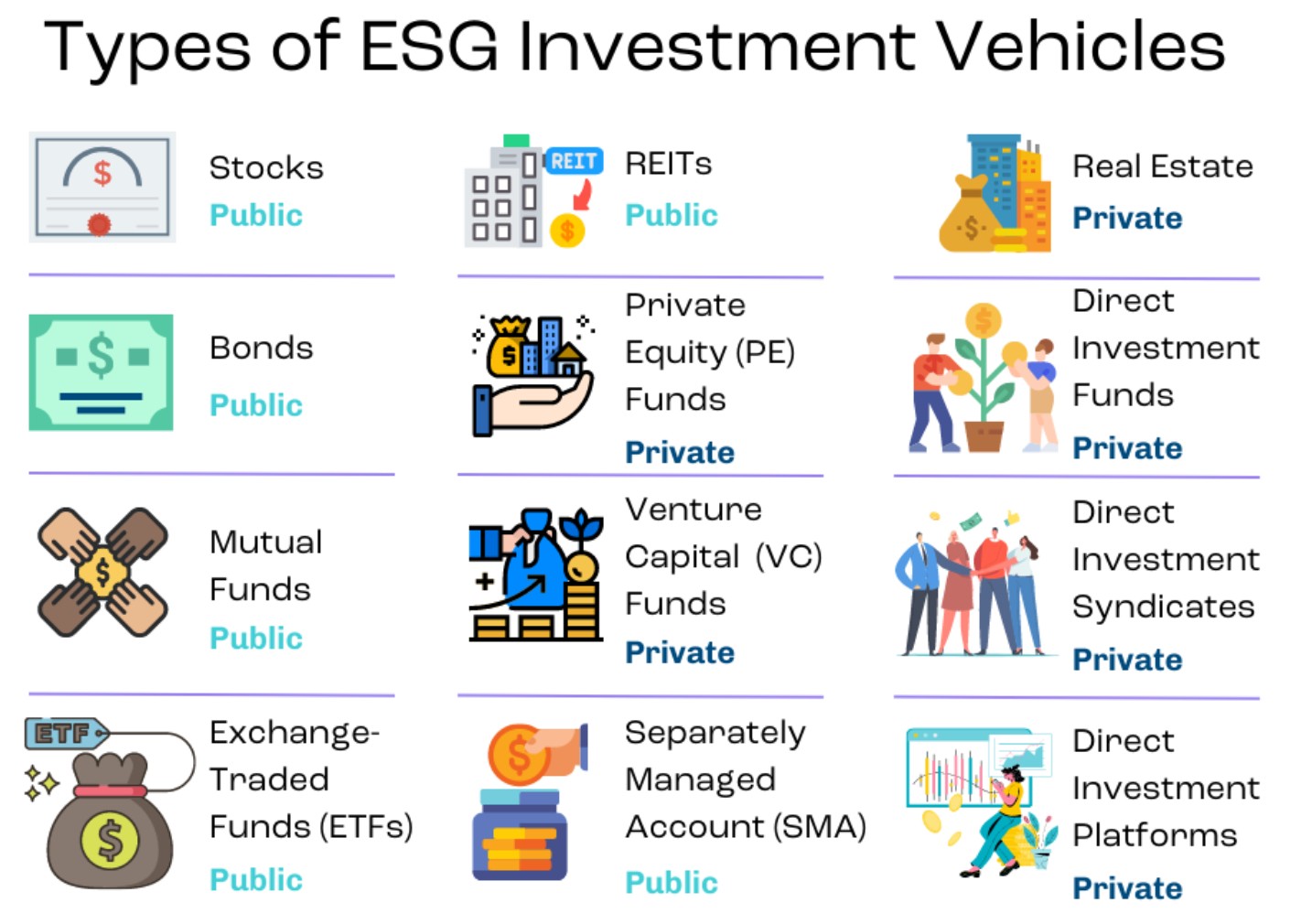
For years, many endowments and ESG funds (investors that screen for environmental, social, and governance factors) kept their distance from defense companies. A major university backing a military drone maker shows how much that attitude has shifted since the war in Ukraine began.
It’s also a sign that defense tech now has the same investor base as mainstream tech. Baillie Gifford is best known for early bets on consumer and tech giants. When those names pile into drones, it signals that investors see defense as a long-term growth market, not a short-term wartime trade. Whether that holds up with students and faculty is an open question.
Where Tekever Sits in Europe’s Drone Race
Tekever isn’t the biggest player, and it isn’t trying to be the flashiest. Here’s how it compares with recent defense tech rounds:
| Company | Base | Latest valuation or raise | Date |
| Anduril | US | $61 billion valuation | May 2026 |
| Helsing | Germany | $18 billion valuation | July 2026 |
| Quantum Systems | Germany | ~$8 billion valuation | July 2026 |
| Tekever | Portugal / UK | $6.4 billion valuation | September 2026 |
| Stark | Germany | Raised about $585 million (€500 million) | June 2026 |
CEO Ricardo Mendes told Bloomberg he expects “tremendous consolidation” in defense tech, and that Tekever plans to use the new money partly for acquisitions. In other words, Tekever wants to be a buyer, not a target.
We think that’s a smart read. Europe has dozens of drone startups, and governments prefer to sign large contracts with a few reliable suppliers. The companies that survive the next five years will likely be the ones with cash, factories, and a proven product, which is exactly the position Tekever is buying itself into.
What Could Go Wrong
A higher valuation also means higher expectations. We see three risks:
- Peace changes the math. A ceasefire in Ukraine could slow urgent orders, even if Europe’s longer rearmament continues.
- Government customers are slow. Defense contracts take years to win and can shift with elections and budgets.
- Acquisitions are hard. Buying and merging smaller companies often goes wrong, especially in a fast-moving field.
There’s also the wider debate about AI in warfare. Surveillance AI decides what humans see, and that shapes decisions on the battlefield. That’s why AI rules were on the agenda when security questions loomed over NATO’s 2026 summit.
FAQs
Can regular investors buy Tekever shares?
Not directly. Tekever is a private company, and it hasn’t announced plans for a stock market listing. Only large institutions and approved private investors can take part in rounds like this one. Some public defense stocks and funds give indirect exposure to the sector, but none owns Tekever outright.
What does “dual-use” technology mean?
It’s technology that works for both military and civilian purposes. A surveillance drone that tracks troop movements can also monitor coastlines, search for missing people, or spot wildfires. Many defense startups highlight dual-use products because they open more markets and can ease investor concerns.
Where does military AI get its training data?
From many sources, including drone footage, satellite images and sometimes data collected for completely different purposes. That last category raises privacy concerns, as shown by reports that Pokémon Go data is being used to train military AI drones.
How is China approaching AI on the battlefield?
China is investing heavily in military AI, from autonomous drones to robotics. Its humanoid robots moving from dance floors to military roles show how quickly civilian tech is being adapted, which is part of why Western governments are spending more.
Are autonomous military drones regulated internationally?
Not by a binding global treaty yet. The UN has hosted talks on lethal autonomous weapons for years, but countries disagree on limits. Most current rules come from national militaries and export controls, which is why the debate keeps coming back at forums like NATO.
Source link