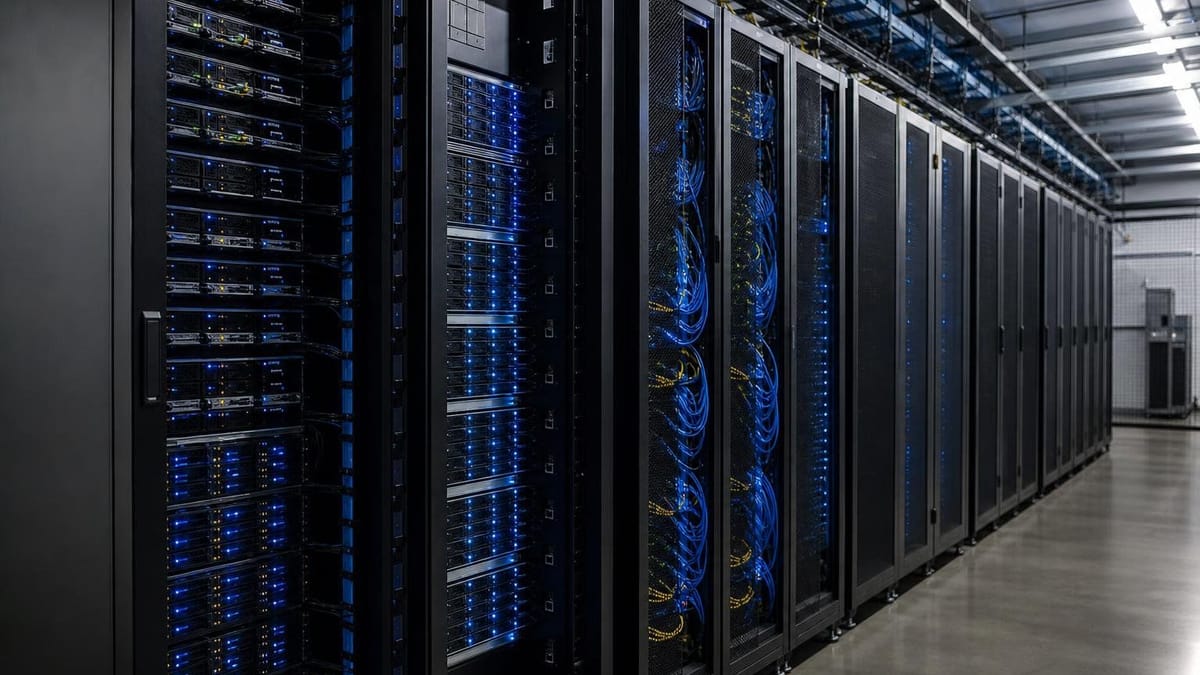
The Barcelona Supercomputing Center is opening the doors to its AI Factory Accelerator Programme, moving from pilot to full-scale operation with a mission to fuel European innovation. The initiative hands Spain-based startups something they’ve been starving for: sovereign compute power, technical expertise, and training to build AI applications without relying on American cloud giants. Many participating companies are already part of NVIDIA’s Inception program, creating a bridge between European computing infrastructure and Silicon Valley’s startup ecosystem.
The Barcelona Supercomputing Center just made European AI startups an offer they can’t refuse. After completing a pilot phase, the research facility is throwing open its AI Factory Accelerator Programme to companies hungry for computing power that doesn’t route through Amazon, Google, or Microsoft data centers.
The timing couldn’t be more critical. While NVIDIA recently backed four German AI startups as part of Germany’s push for AI adoption, and Google committed $3 million in compute resources to European researchers, the Barcelona initiative offers something different: truly sovereign infrastructure. For startups building sensitive applications in healthcare, finance, or defense, that distinction matters.
The program gives participating companies direct access to BSC’s supercomputing resources, the kind of hardware that typically costs millions to access through commercial cloud providers. But it’s not just about raw computing power. Startups get hands-on technical support from BSC researchers, training programs tailored to their specific use cases, and integration with the broader European AI ecosystem.
What makes this particularly interesting is the overlap with NVIDIA’s Inception program. Many of the startups joining BSC’s accelerator are already Inception members, creating a unique hybrid model. They get NVIDIA’s software tools, go-to-market support, and technical resources while running their workloads on European sovereign infrastructure. It’s the best of both worlds for companies navigating increasingly complex data residency requirements.
The sovereign compute angle isn’t just marketing speak. European regulators have been tightening rules around data processing, and enterprises are getting skittish about training AI models on infrastructure controlled by foreign companies. BSC’s AI Factory offers a pathway that keeps data, models, and intellectual property firmly within European jurisdiction. For startups chasing enterprise contracts with banks, governments, or healthcare systems, that’s a genuine competitive advantage.
This follows a pattern we’re seeing across Europe. NVIDIA committed $250 million to UK AI safety infrastructure earlier this month, while Amazon launched TorchNeuron to challenge NVIDIA’s dominance in AI development tools. The continent is building out alternatives to American AI infrastructure, and Barcelona is positioning itself as a key node in that network.
BSC isn’t starting from scratch. The center operates MareNostrum, one of Europe’s most powerful supercomputers, and has deep expertise in AI research, particularly in natural language processing for European languages. The AI Factory Accelerator essentially commercializes that expertise, packaging it for startups that couldn’t otherwise afford access to similar resources.
The program targets companies across industries, from biotech firms modeling protein structures to fintech startups building fraud detection systems. The common thread is computational intensity and the need for European data residency. BSC is betting that enough startups fit that profile to justify the investment in accelerator infrastructure.
What remains unclear is the scale. The announcement doesn’t specify how many startups the program will support or what computing quotas they’ll receive. Those details matter because compute access is only valuable if there’s enough of it. A handful of GPU hours won’t move the needle for companies training large language models or processing massive datasets.
But the strategic direction is clear. Europe is done being a passive consumer of American AI infrastructure. Between national initiatives, research center programs, and private investment, the continent is building parallel infrastructure that gives startups and enterprises genuine alternatives. Barcelona’s AI Factory is one more piece of that puzzle, and it’s targeting the companies that matter most: the next generation of European AI builders.
Barcelona Supercomputing Center’s AI Factory Accelerator represents more than just another startup program. It’s infrastructure as strategy, giving European companies the computing power and technical support to build competitive AI applications without depending on American cloud giants. As data sovereignty becomes a competitive advantage and regulatory requirement, initiatives like this could determine which European startups survive the AI boom and which get priced out by infrastructure costs. The pilot phase is over. Now we’ll see if sovereign compute can actually compete with the convenience and scale of hyperscaler clouds.