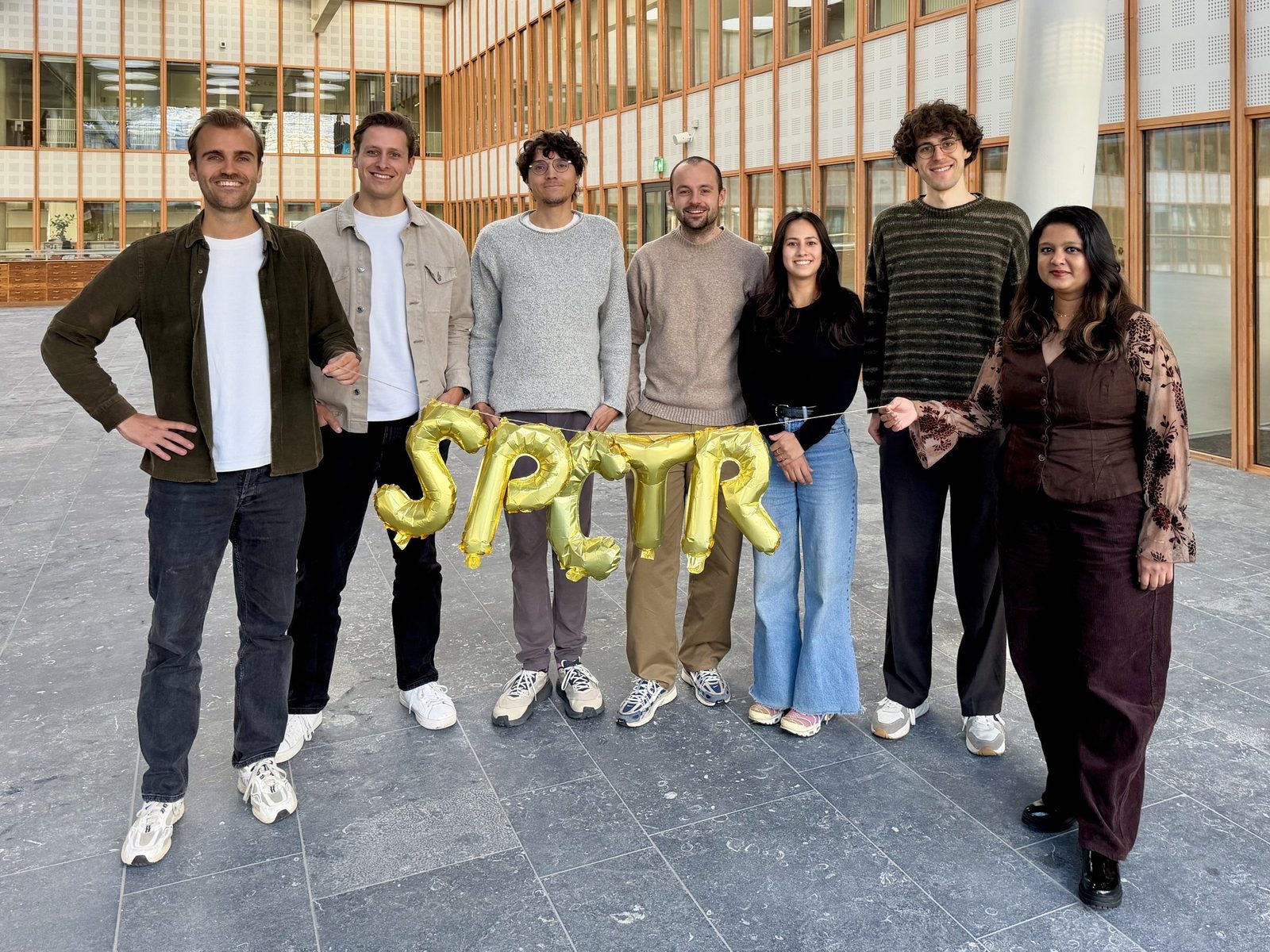
Medtech startup SPCTR landed €2.8 million in funding for its AI-powered device that helps surgeons see whether any tumor cells are left at the edge of the tissue they’ve removed.
When performing cancer surgery, the surgeon removes the tumor and a margin of healthy tissue, aiming to remove all tumor cells while sparing as many healthy cells as possible — the so-called surgical margin. Doctors only know a few days after the operation whether it was successful. If tumor cells are found in the surgical margin, a second operation or further treatment might be needed.
The startup’s SPCTRone provides this insight during the operation, combining optical imaging and AI. This way, surgeons can remove additional tissue, instead of operating again later.
“Surgeons have to judge during the operation whether they have removed enough tissue, and only find out days later whether they were right. With SPCTRone, we want to bring that answer into the operating room. This funding enables us to evaluate the technology in multiple hospitals and to further expand our team,” said Wido Heeman, CEO and co-founder of SPCTR.
Focusing on breast cancer first
The system is designed to be used on different types of cancer. As a first step, the Utrecht and Groningen-based company is focusing on breast cancer. About one in seven Dutch women experience breast cancer, with treatment having a lasting impact on their daily lives.
According to SPCTR, in 10.8% of breast-conserving surgeries in the Netherlands, tumor cells are found at the surgical margin. Assessing tissues during operation could help reduce additional procedures, easing the treatment pathway.
A step towards tailored surgery
The device has already been evaluated in a first study that involved 200 patients at the University Medical Centre of Utrecht and the Academic Breast Centre Groningen. The startup says the first results are promising. A follow-up study will also start soon.
“With SPCTR’s new imaging, we are taking an important step toward tailored surgery and better care in the treatment of women with breast cancer. We are investigating during the operation whether all tumor tissue has been removed. This research aims to reduce the chance of a second operation and gives patients clarity sooner,” said Dr. Wendy Kelder, Surgical Oncologist at the Martini Hospital of Groningen.
Future-proof healthcare
The funding round features contributions from the VGZ Voorop in Zorg fund, Future Tech Ventures, the Investment and Development Agency for the Northern Netherlands (NV NOM), a group of business angels and the European Just Transition Fund (JTF). With this funding, SPCTR is preparing a follow-up study across multiple hospitals, building the first series of devices and taking the next steps toward CE marking.
Martijn Kers, Director of Innovation and Healthcare Policy at Coöperatie VGZ, stated: “The investment in SPCTR fits our ambitions for future-proof healthcare in several ways. If SPCTRone can lead to fewer re-operations and follow-up treatments in practice, this is not only better for the patient, but also contributes to the accessibility, affordability and sustainability of healthcare.”