AI-led personalisation to open opportunities for new startups: Razorpay CEO
The use of artificial intelligence (AI) will lower the cost of personalisation within the financial technology sector, opening up new…
The use of artificial intelligence (AI) will lower the cost of personalisation within the financial technology sector, opening up new…
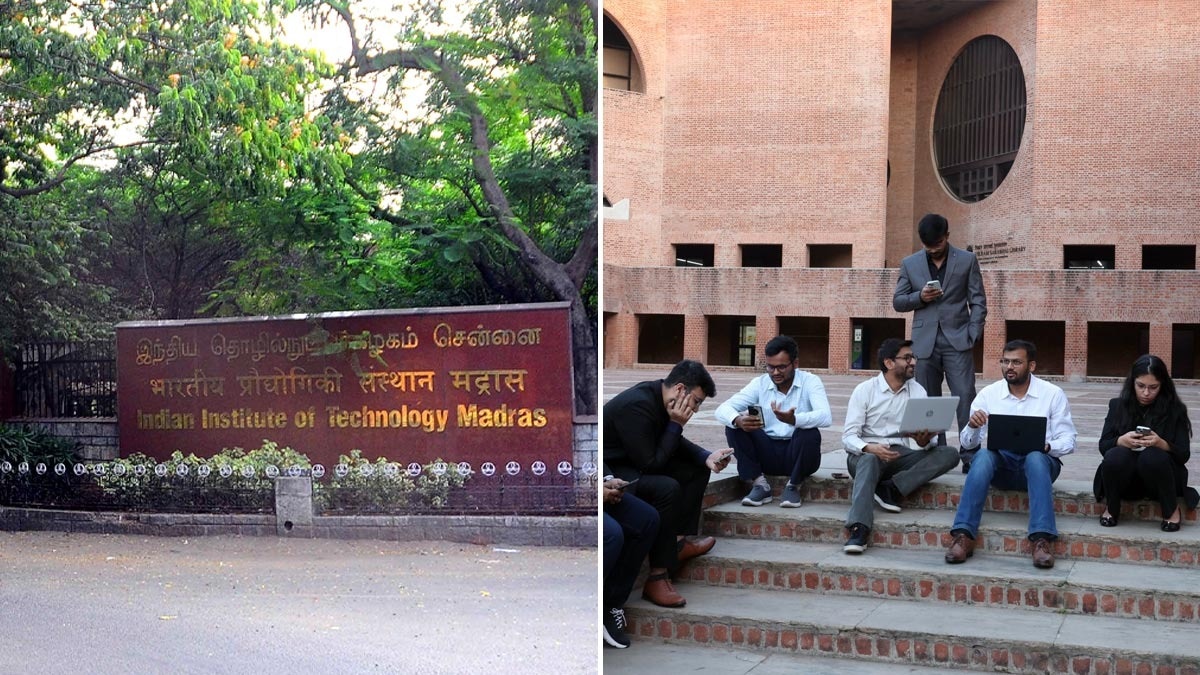
IIT Madras and IIM Ahmedabad have emerged as the two standout campuses in the academic journey of India’s high-growth startup…
A total of approximately $361m was raised across 16 FinTech funding and investment deals this week, with Ingenico’s €150m investment…
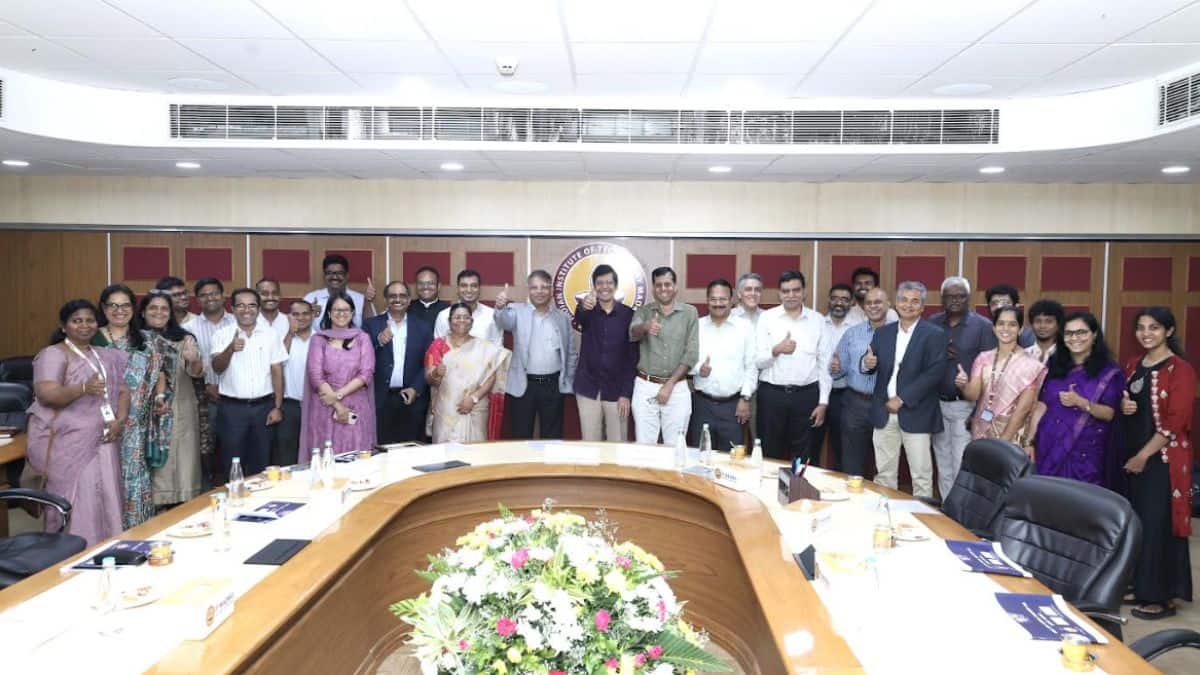
IIT Madras and CAMS deepen CIFIL partnership to advance fintech research, support startups and expand industry-focused education The Indian Institute…
Speed is key for fintech investors getty It is a sign of the times that a two-person founding team can…
A fresh wave of billion-dollar startups is reshaping venture patterns, with AI leading but healthtech and fintech making notable gains.…
1. What is meant by “boring” fintech? “Boring” fintech refers to startups that solve essential financial challenges such as payments,…
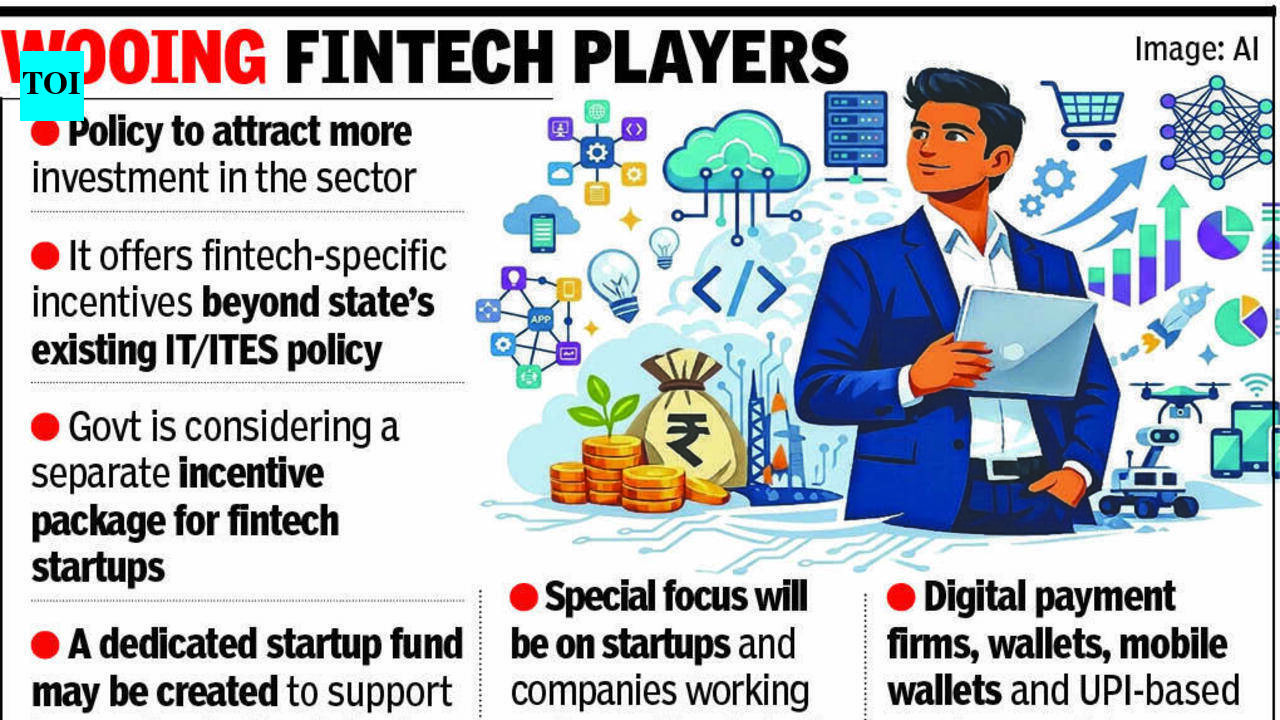
The new policy is aimed at creating a focused ecosystem for fintech firms Gandhinagar: Gujarat is drawing up its first…
Growth-stage investment fund SMBC Asia Rising Fund (ARF) on Tuesday announced follow-on investments worth $12-15 million in its portfolio companies…
Growth-stage investment fund SMBC Asia Rising Fund (ARF) on Tuesday announced follow-on investments worth $12-15 million in its portfolio companies…
Funding Wrap A blockbuster $900 million funding round in fintech major CRED, coupled with fresh capital flowing into sectors ranging…
For most consumers, financial services begin with a familiar brand. A bank issues the loan. A telecom operator offers the…
A view of Busan City Hall in Yeonje-gu, Busan. Photo courtesy of Busan City The Busan Fintech Hub is emerging…
Gandhinagar, June 11, 2026: Gujarat International Finance Tec-City (GIFT City) has launched the second cohort of its Fintech Residential Programme,…
Fintechasia .Net Start Me Up is becoming a searched topic among founders, fintech learners, digital finance professionals, and startup-focused readers…
India’s startup ecosystem witnessed another eventful day, marked by a mix of blockbuster IPO developments, fresh capital inflows, deeptech innovation,…
Mitsubishi UFJ Financial Group (MUFG), Japan’s largest financial group, is setting up a $250 million (about Rs 2,300-2,400 crore) India-focused…
1. How safe is my money through digital neo-bank services rather than a branch? The most reliable digital banking sites…