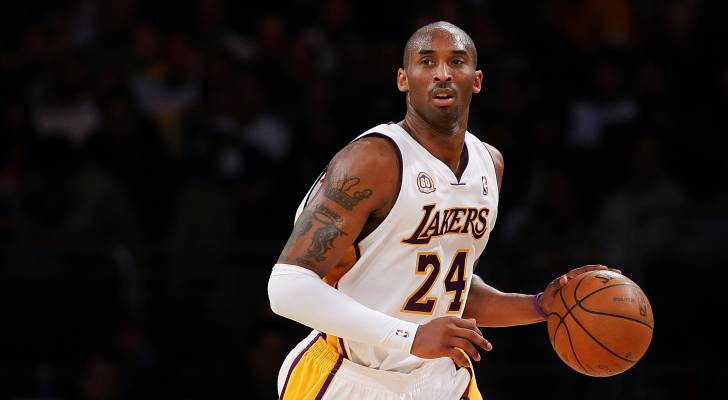
It seems NBA hall-of-famer Kobe Bryant showed as much hustle in the boardroom as he did on the basketball court.
In 2013, the Los Angeles Lakers guard acquired a 10% stake in sports drink startup BodyArmor for $6 million, according to The Wall Street Journal. The brand billed its products as a healthier alternative to its competitors.
Don’t miss
-
Car insurance premiums in America are through the roof — and only getting worse. But 5 minutes could have you paying as little as $29/month
-
Commercial real estate has beaten the stock market for 25 years — but only the super rich could buy in. Here’s how even ordinary investors can become the landlord of Walmart, Whole Foods or Kroger
-
These 5 magic money moves will boost you up America’s net worth ladder in 2024 — and you can complete each step within minutes. Here’s how
After several years of rapid growth, in 2021, Coca-Cola bought full control of BodyArmor for $5.6 billion — after initially buying a 15% stake in 2018 — netting Bryant’s estate $400 million, per the Journal. The basketball star, who retired from the NBA after the 2015-16 season, served on the company’s board before he died in a helicopter crash in 2020.
Co-founder Mike Repole says Bryant’s early investment and involvement boosted the company’s ability to grow swiftly.
“If it wasn’t for Kobe Bryant’s vision and belief, BodyArmor would not have been able to achieve the success we had,” Reploe said in a press release.
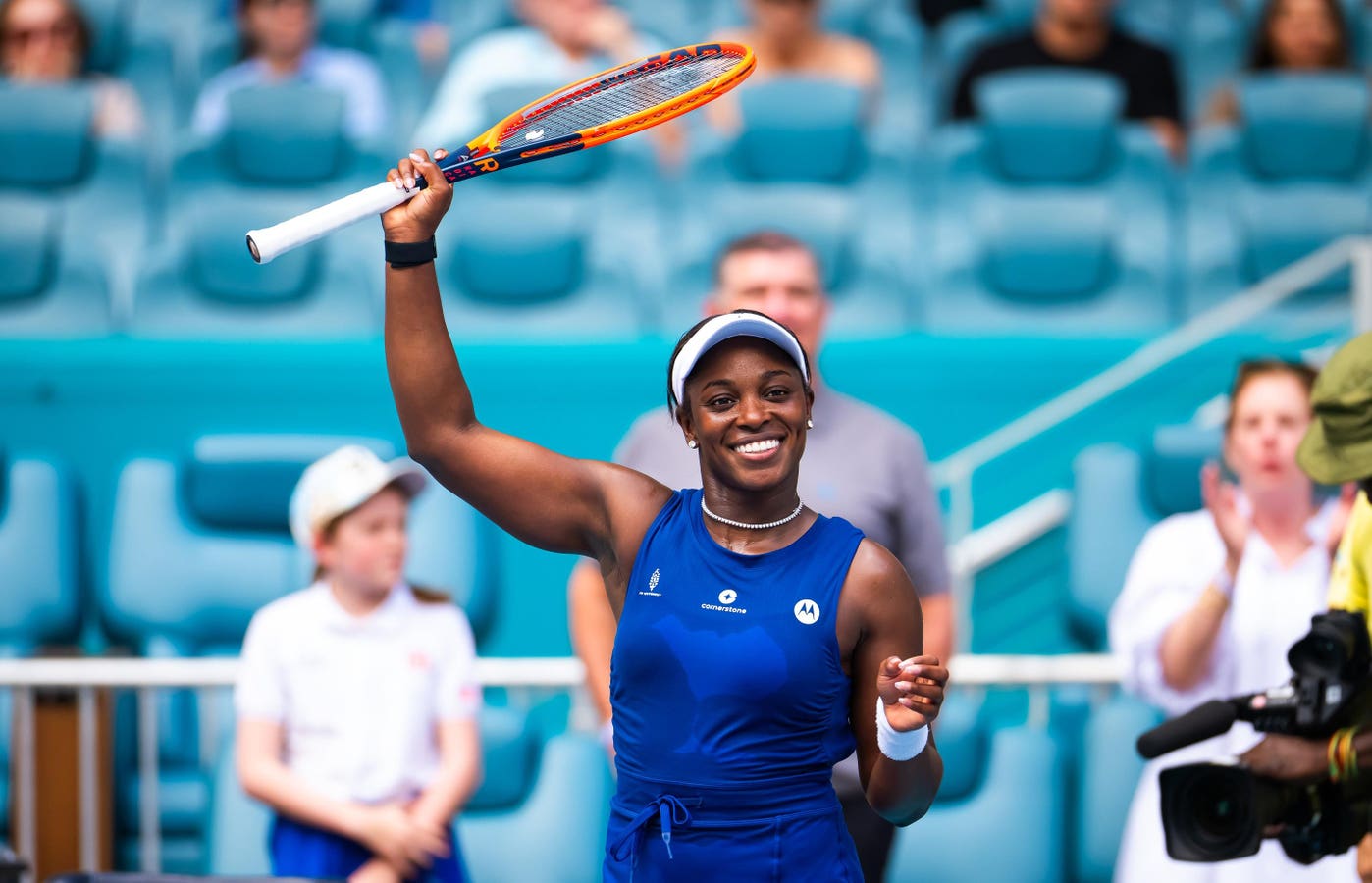
Bryant also wrote and co-directed some of the company’s ads, according to ESPN, which featured fellow athletes James Harden, Kristaps Porzingis, Mike Trout and Skylar Diggins-Smith.
In the end, Bryant’s investment in BodyArmor delivered a nearly 67-fold return or a compounded annual growth rate of 69% over eight years.
Now, while everyday investors probably don’t have the same amount of capital or influence Bryant had, they may want to consider deploying a similar blueprint — spotting an undervalued company with growth potential. Those with an interest in the beverage world may want to take a look at some of these small-cap consumer brands.
Celsius
Energy drink maker Celsius (NASDAQ:CELH) has had a difficult year. The stock is down 43.8% year-to-date as of Sept. 23.
However, the underlying financials seem to tell a different story. Celsius announced $757.7 million in revenue during the first half of 2024, up 29% from the previous year. It also reported gross profit increased 43% to $391.3 million over the same period.
Read more: Rich, young Americans are ditching the stormy stock market — here are the alternative assets they’re banking on instead