

Also in the letter:
■ Meesho’s senior exec exits
■ Hurdles to GCC expansion
■ Meta’s Manus deal in limbo
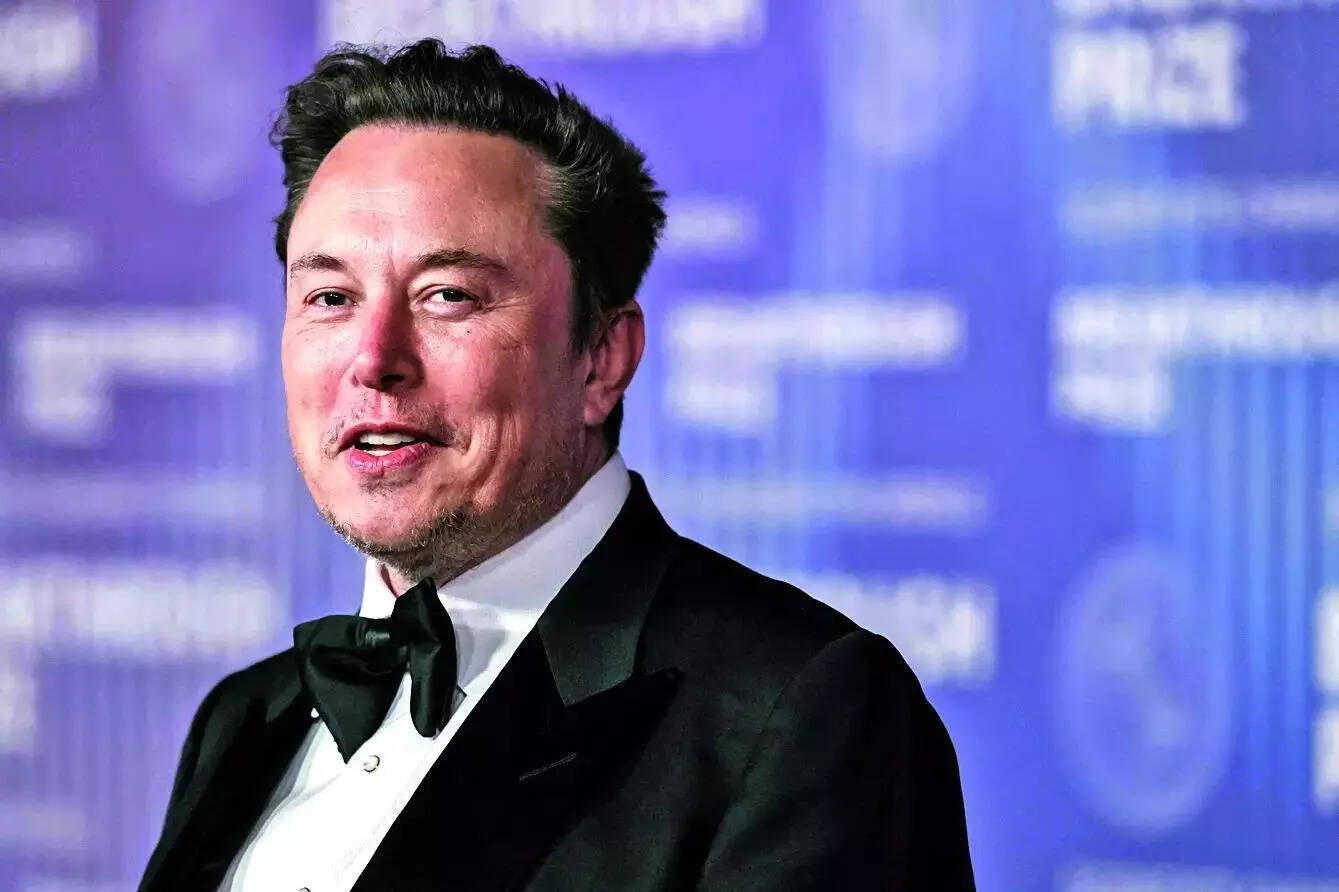
Elon Musk’s xAI raises $20 billion in Nvidia-backed funding round
Elon Musk’s artificial intelligence company, xAI, has closed a $20 billion funding round, overshooting its original $15 billion target and cementing its place among the world’s richly valued AI companies.
Who’s in:
- Nvidia joined the cap table, alongside ValorEquity Partners, Stepstone Group, Qatar Investment Authority, and several others.
- The presence of the world’s dominant chipmaker (and other heavyweight backers) adds strategic heft, signalling confidence in xAI’s compute-heavy roadmap.
Fund usage: xAI said the fresh capital will be used to “expand its decisive compute advantage,” with a large share earmarked for building and scaling more data centres to train and run its models. The company also plans to step up spending on “groundbreaking research” as it races rivals such as OpenAI, Google, and Anthropic.
The round is expected to value xAI at over $230 billion, making it one of the fastest value creators in Musk’s sprawling portfolio. It follows xAI’s recent acquisition of a third data centre, dubbed Macrohard (a characteristically Muskian jab at Microsoft), which will push xAI’s training capacity towards two gigawatts of compute.
Steeped in controversy: Even as capital pours in, xAI is under fire globally. Regulators and governments in India, Malaysia, France, and the UK have raised concerns over its chatbot Grok’s “Spicy Mode”, accused of enabling sexualised deepfakes of women and minors.
Also Read | ETtech Explainer: Why Grok’s edgy AI image generator has come under fire
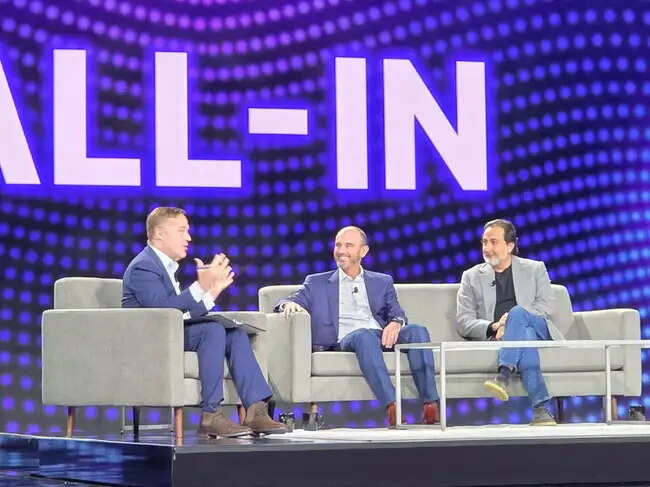
CES 2026: AI is helping organisations scale faster, resulting in sharp valuation gains: General Catalyst CEO Hemant Taneja
Artificial intelligence is collapsing business timelines, reshaping valuations, and forcing venture capital to rewrite its rulebook. That was the thrust of a CES 2026 discussion featuring General Catalyst CEO Hemant Taneja and McKinsey global managing partner Bob Sternfels.
The value question: Taneja drew a sharp contrast between pre-AI and AI-era growth curves. Payments giant Stripe, he noted, took 12–13 years to hit $100 billion. Anthropic did it in a couple. The AI startup’s valuation rocketed to $183 billion last year, with revenue run rate scaling from $1 billion to $5 billion in mere months.
Rethinking talent: Sternfels said enterprises must rethink how they identify and hire talent in an AI-driven workplace. Traditional credentials matter less than demonstrated output. “Let’s actually get to the content that the candidate creates. That could allow a much wider set of people to enter the workforce through different pathways.”
New VC playbook: Taneja said General Catalyst is moving beyond classic venture capital investing by acquiring legacy institutions outright. He cited the firm’s purchase of Summa Health, aimed at transforming incumbents from within using AI rather than betting only on external disruptors.
Also Read: CES 2026: The technologies defining the year ahead
Meesho senior executive Megha Agarwal resigns
Meesho’s Megha Agarwal, general manager-business, has quit the ecommerce player, according to a stock exchange filing, the first high-level exit at the company after its stellar public listing in December.
Details decoded: Agarwal reported directly to founder and CEO Vidit Aatrey. She joined the company in 2019 and was elevated to lead the growth function in 2022. She took over the general manager role in 2023 after the exit of Utkrishta Kumar. In this role, she headed the critical category management function.
Key leaders: Agarwal was one of six senior leaders reporting directly to Aatrey. This includes CFO Dhiresh Bansal, chief product officer Prasanna Arunachalam, CHRO Ashish Kumar Singh, Milan Partani, general manager-user growth and content commerce, and Sourabh Pandey, general manager-fulfilment and experience.
Also Read: Meesho expanded ecomm beyond India’s top 5%, say executives, backers
Financials:
- For the first half of FY26, the company reported operating revenues of Rs 5,577 crore, up from Rs 4,311 crore a year earlier.
- Net losses for the period narrowed sharply to Rs 700 crore, down from Rs 2,512 crore in the previous year.
- For the full fiscal year 2025, revenue grew 23% to Rs 9,390 crore, despite a significant one-time tax impact related to its domicile shift to India.
Also Read: Meesho listing unlocks billions in wealth for founders, early investors Elevation, Peak XV
Compliance hurdles weigh heavily on GCCs expanding to tier-II cities
Global capability centres (GCCs) are pushing beyond metros into tier-II and tier-III cities such as Coimbatore, Jaipur, Indore, Vizag and Kochi. The talent is available, and costs are lower. The paperwork, however, is proving hard to scale.
What’s happening: Even as the Union Budget 2025 outlined a national framework to encourage GCC expansion, the real friction lies at the state level. Labour regulations continue to vary sharply across geographies, forcing firms to customise operations city by city.
Key differences span wages, leave policies, holidays, creche requirements, and contract labour norms. For GCCs used to rolling out standardised metro playbooks, these inconsistencies are slowing down execution, particularly during aggressive hiring cycles.
Why it matters: Industry experts say the lack of harmonisation makes it difficult to replicate operating models across large cities. Compliance teams are often stretched thin, and HR policies need repeated rework as firms add locations.
Tell me more: GCC setup specialists say newer cities come with heavier operational lift. ANSR cofounder Vikram Ahuja noted that companies must navigate a long list of legal requirements, many still processed manually. As a result, setting up in tier-II locations can take around 30% longer than in metros, he added.
Also Read: GCCs to ditch hiring surge for AI, cyber skills in 2026 : Experts
China reviews Meta’s purchase of AI startup Manus: FT
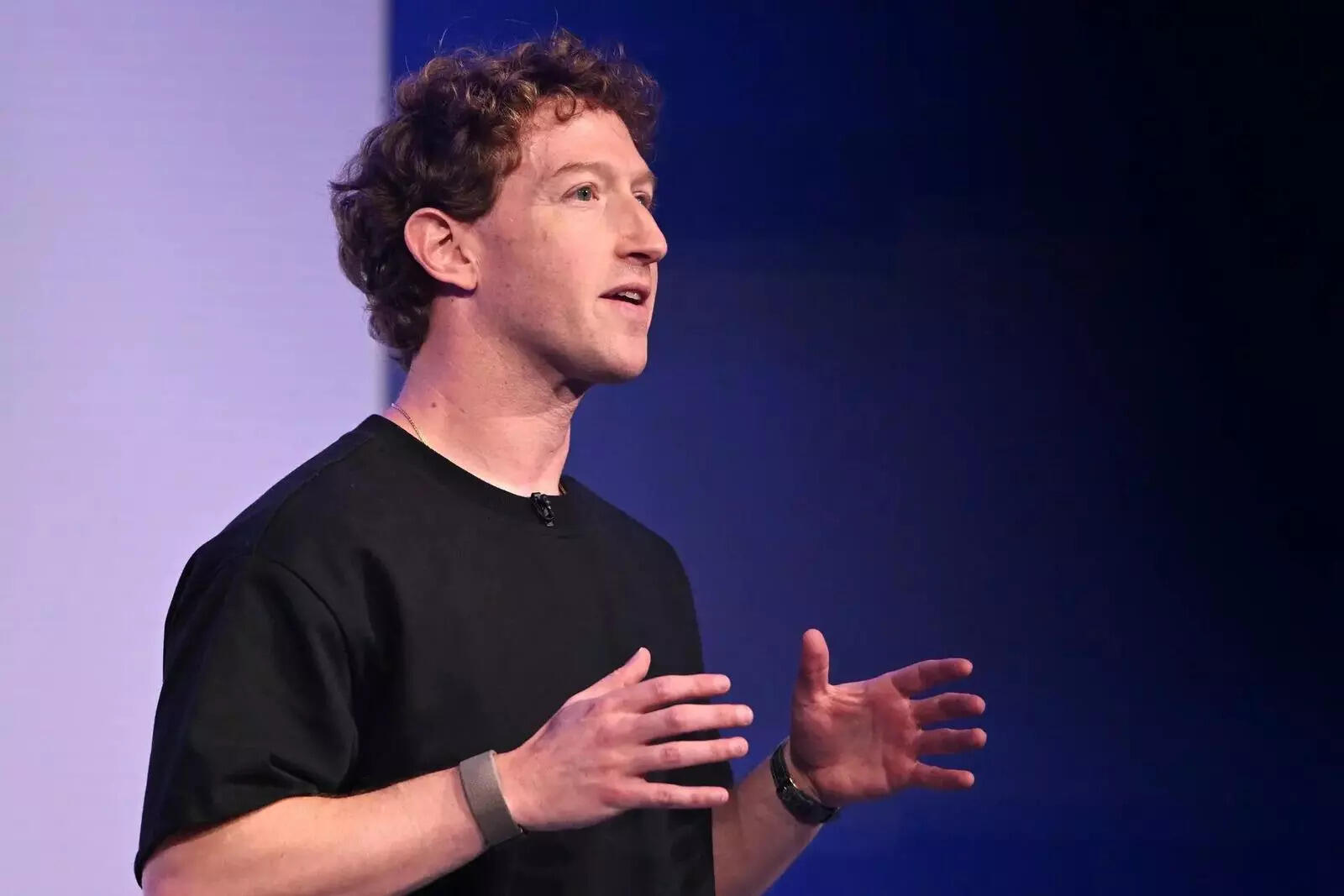
Meta’s acquisition of AI startup Manus is facing fresh scrutiny from Beijing, adding a geopolitical wrinkle to one of Silicon Valley’s most closely watched AI buys.
What’s the news: According to a Financial Times report, China’s Ministry of Commerce is reviewing whether the transfer of Manus’ staff and core technology to Singapore ahead of its sale to Meta required an export licence under Chinese law.
The review is at a preliminary stage. However, if authorities conclude a licence was mandatory, it could give Beijing leverage over the transaction – including the power to demand remedies or push for the deal to be unwound.
Background: Meta acquired Singapore-based Manus last month in a deal valued between $2 billion and $3 billion. The startup shot to global attention early last year, after claiming it had built the world’s first “general AI agent,” positioning itself at the frontier of autonomous AI systems.
Also Read | Chat platform Discord files confidentially for US IPO: Report
Source link