- ■
Apple acquires Israeli AI startup Q.AI for nearly $2 billion, according to The Financial Times, making it the company’s second-largest acquisition after Beats Electronics
- ■
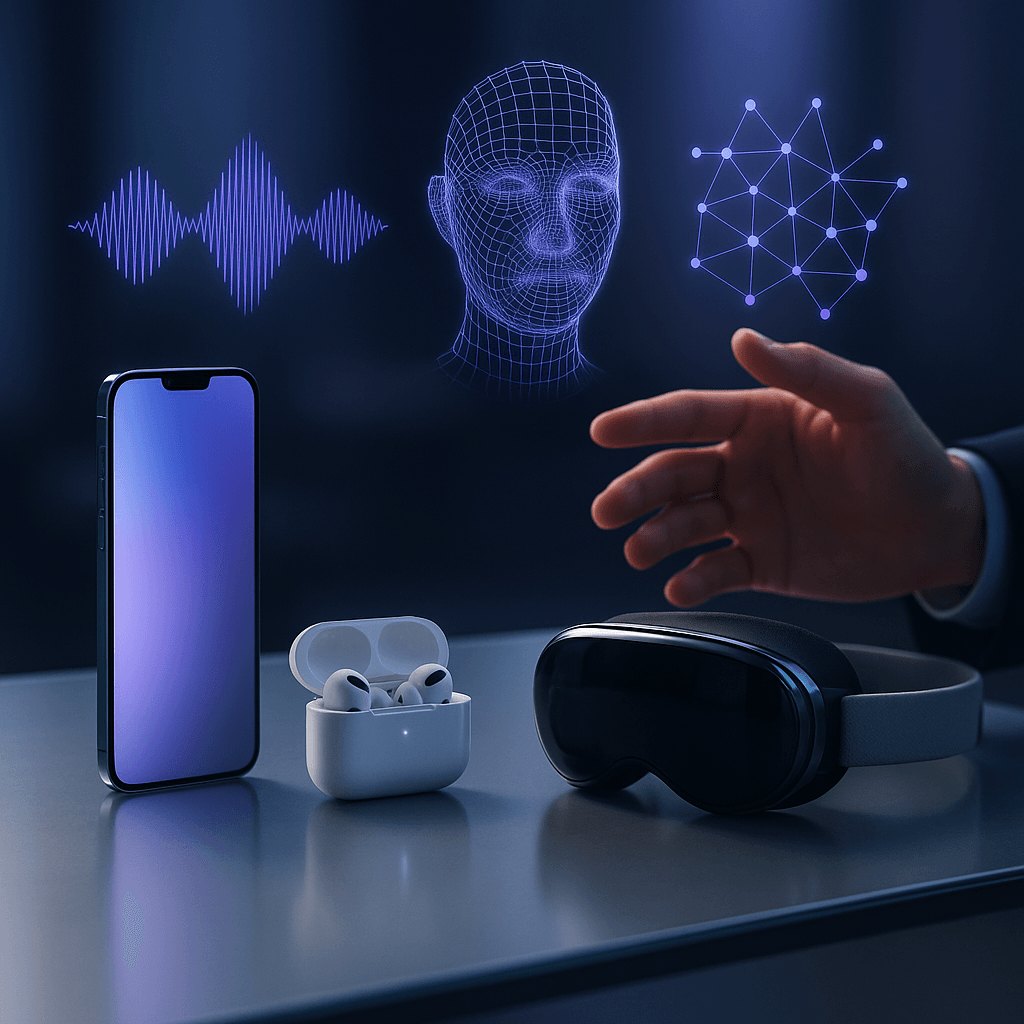
Q.AI specializes in audio machine learning tech that interprets whispered speech and enhances sound in noisy environments, plus facial muscle detection for Vision Pro
- ■
CEO Aviad Maizels previously sold PrimeSense to Apple in 2013, the 3D-sensing company behind Face ID technology
- ■
News breaks hours before Apple’s Q1 earnings, with analysts expecting $138B revenue and the strongest iPhone sales growth in four years
Apple just made its biggest acquisition in over a decade, snapping up Israeli AI startup Q.AI for nearly $2 billion. The deal marks Apple’s second-largest purchase ever, trailing only the $3 billion Beats Electronics acquisition from 2014. With Meta, Google, and Apple locked in an escalating AI arms race, this acquisition signals Cupertino’s intent to dominate the next frontier: hardware-embedded AI that transforms how devices hear, see, and respond to the world around us.
Apple isn’t playing catch-up anymore. The company just pulled off its most aggressive AI move yet, acquiring Israeli startup Q.AI for nearly $2 billion in a deal first confirmed by Reuters. It’s a statement purchase that positions Apple to leapfrog competitors in the hardware-AI integration race that’s defining 2026.
The timing couldn’t be more deliberate. Hours before Apple reports what analysts predict will be a blockbuster quarter with around $138 billion in revenue, the Q.AI acquisition reshapes the narrative from “Apple is behind in AI” to “Apple is buying its way to the front.” And they’re not buying vaporware. Q.AI brings battle-tested tech that enables devices to interpret whispered speech, enhance audio in chaotic environments, and detect subtle facial muscle movements that could supercharge the Vision Pro headset.
This marks Apple’s second-largest acquisition ever, according to The Financial Times, trailing only the $3 billion Beats Electronics deal from 2014. But while Beats gave Apple a consumer brand and streaming service, Q.AI delivers something far more strategic: the building blocks for AI that lives inside hardware, not the cloud.
The company behind the deal knows Apple intimately. Q.AI CEO Aviad Maizels previously sold PrimeSense to Apple in 2013, the 3D-sensing startup that became the foundation for Face ID. That acquisition helped Apple ditch fingerprint sensors and pioneer facial recognition on iPhones. Now Maizels is back with technology that could do for audio and spatial computing what PrimeSense did for biometric security.