Zuri Health is expanding its fleet of mobile clinics in Nairobi after its first bus covered its operating costs, giving the Kenya-based healthcare startup a model it believes it can scale.
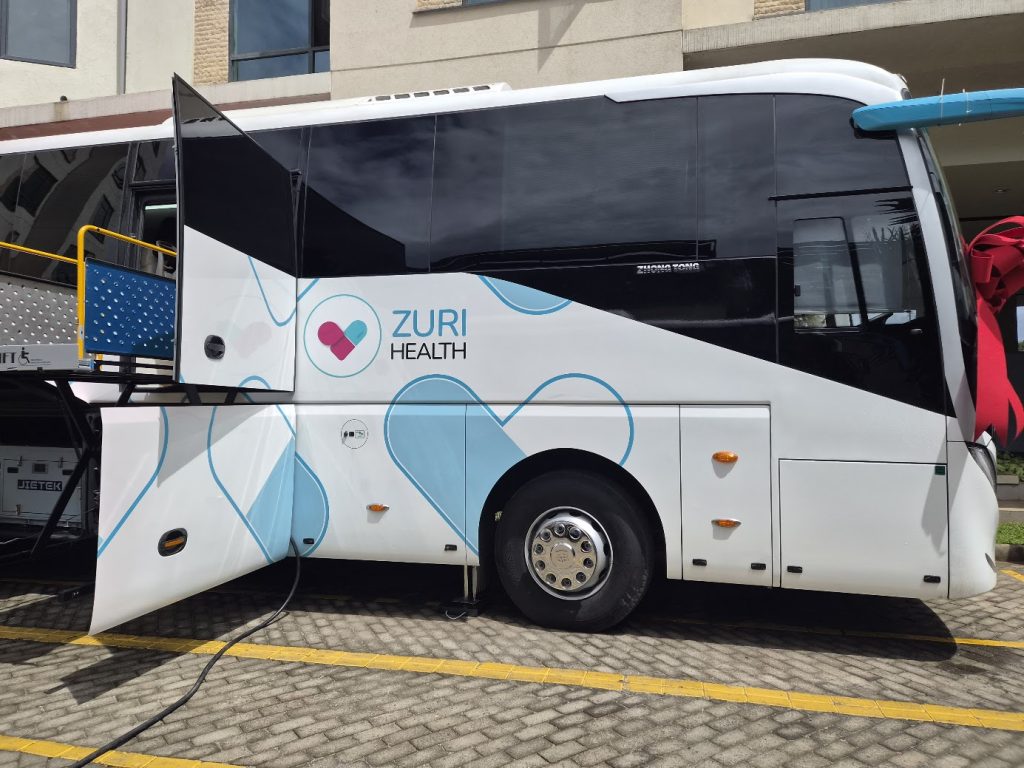
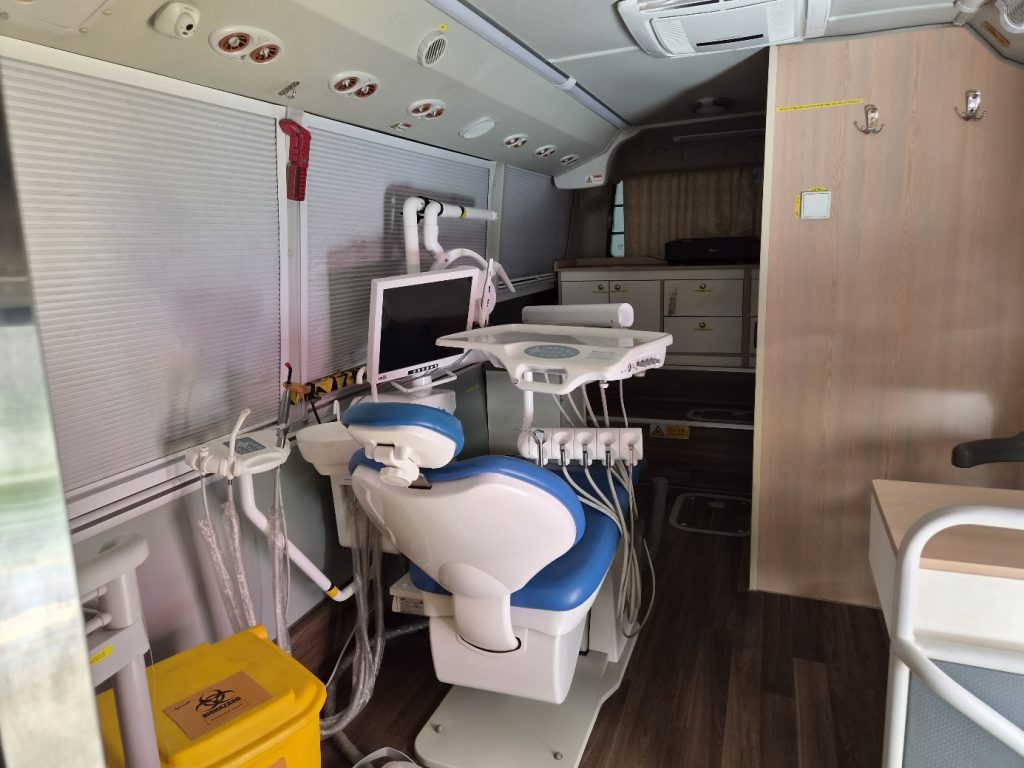
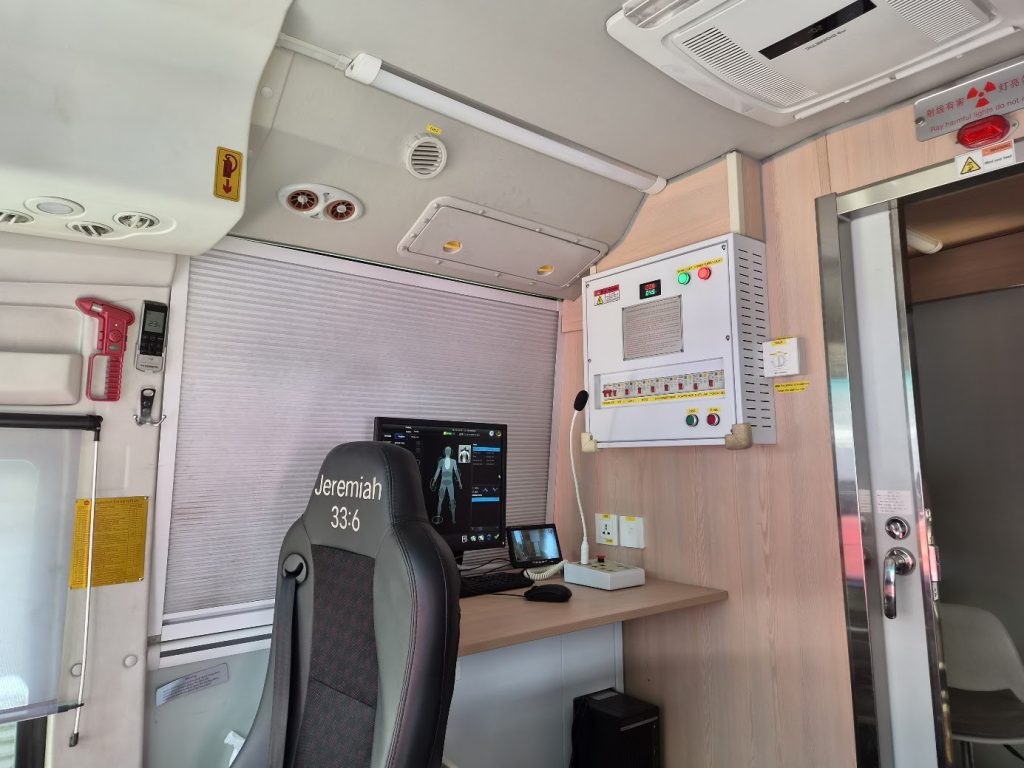
The startup has added two more buses, bringing its total to three. Two of the buses operate as a self-contained clinic, powered by solar energy and fitted with equipment for diagnostics, dental care, and cervical cancer screening. The third bus supports logistics and restocking, allowing the clinical units to run continuously without relying on fixed infrastructure.
Mobile clinics in Kenya have long been used for outreach by counties and non-profits, often running as short-term campaigns. Zuri is trying to turn that model into a revenue-generating service by operating the clinics daily in high-traffic areas.
For many low-income workers, the cost of seeking care is not just the consultation fee, but the hours lost travelling and waiting at facilities. Zuri places clinics in high-density areas to cut travel time and reach people who would otherwise skip care.
Founded in 2020, Zuri Health offers primary care through a mix of telemedicine and physical clinics. Its bus fleet takes those same services into high-density areas, bringing care closer to patients without relying on fixed facilities.
“A market trader will not have to close her stall or spend hours travelling to a hospital,” the company’s chief executive, Ikechukwu Anoke, told TechCabal. “We are taking the hospital to them. We validated this over the past three years through medical camps across Kenya. We understand what these communities need, and with Zuri Express running daily, people can access care immediately.”
Doctor consultations on Zuri Health start at KES 500 ($3.87), with a typical visit costing about KES 1,500 ($11.60), including tests and medication. That is lower than most private hospitals in Kenya, where consultations often range from KES 2,000 ($15.47) to KES 5,000 ($39) or more. Public hospitals charge less, typically between KES 100 ($0.77) and KES 1,500 ($11.60).
Zuri generates revenue from two main sources: walk-in patients and corporate clients that book on-site health checks for staff. The company also works with insurers, including the government-backed Social Health Authority (SHA), Britam, and Madison, expanding access beyond out-of-pocket payments.
Buses rotate across locations based on demand patterns drawn from medical camps and data from Zuri’s digital platform, where patients can consult doctors remotely, book visits, and manage follow-ups.
If the model works at scale, it could change how care is accessed in Nairobi and bring routine treatment closer to where people live and work.
Source link