

New care home company, Fortava Healthcare, has significantly expanded its operations with the acquisition of three care homes. CEO Johann van Zyl discusses his vision for the organisation
Fortava’s latest acquisitions represent a significant expansion of its footprint and increases the new care group’s total operational capacity to 322 beds, marking a major milestone in the company’s growth strategy.
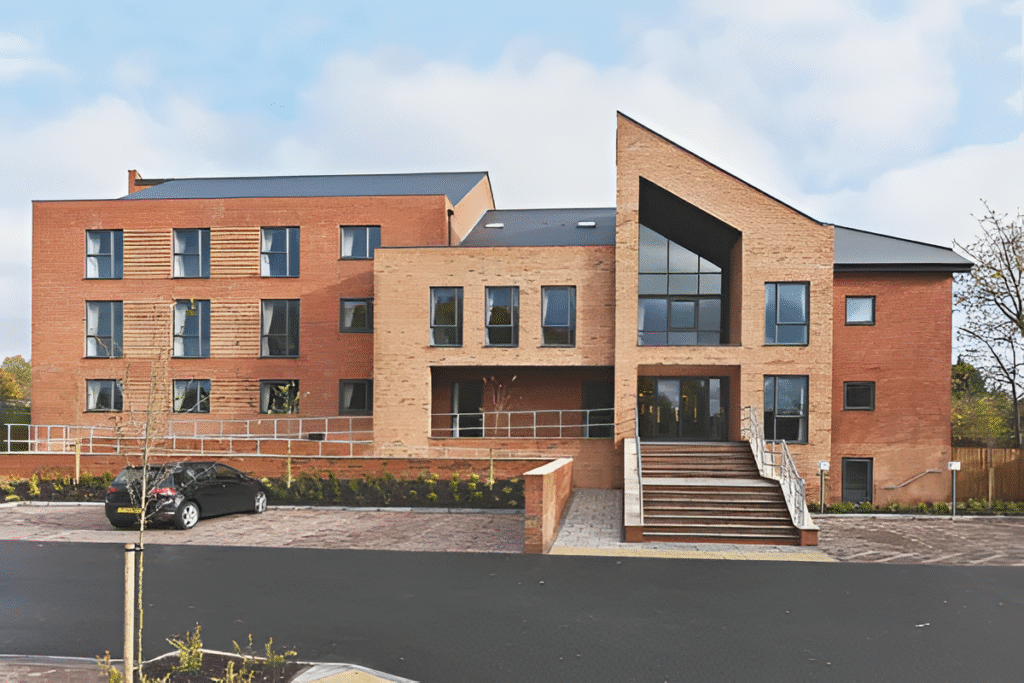
The homes: Long Eaton View, Stapleford View and Wilford View were previously operated by Medina Group and add to two 50-bed care homes in Peterborough bought with the support of Downing Private Equity in May last year.
Fortava, led by CEO Johann van Zyl and CFO Jamie Stuart, is dedicated to supporting individuals living with dementia and complex needs by expanding its innovative Cognitive Stimulation Therapy (CST)-based specialist care model across the UK.
This will be integrated into Fortava’s operating model focusing on therapeutic environments, advanced workforce training, and clinically informed cognitive stimulation programmes designed to enhance quality of life and support cognitive wellbeing.
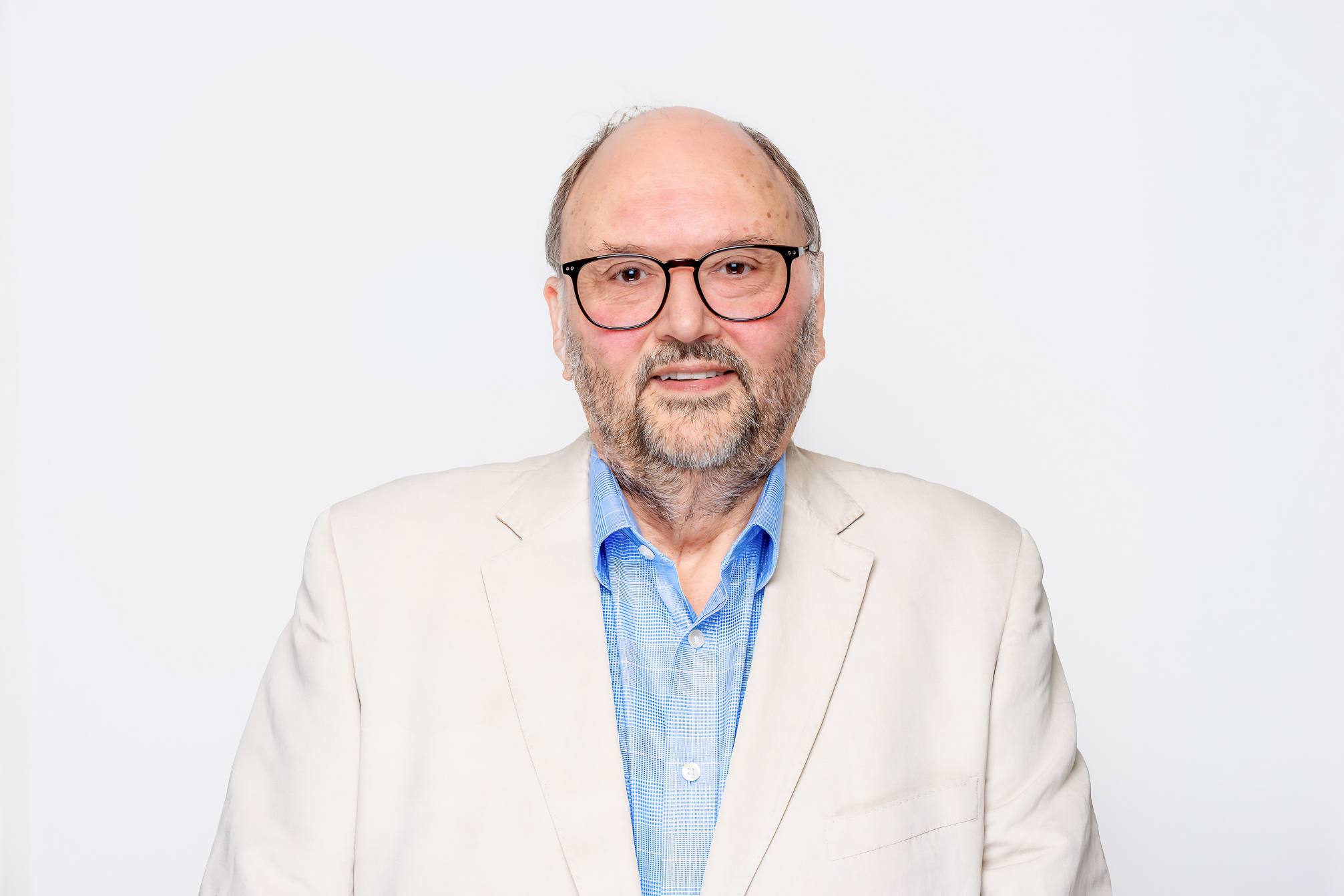
The company has now employed Stephen Collier as its chairman to lead the next stage of growth. We caught up with Johann van Zyl to discuss the appointment and his vision for the organisation.
What was the thinking behind new chairman Stephen Collier’s appointment?
Stephen and I have known each other for many years. Over the last year especially, he’s been something of a mentor to me. I’ve often gone to him for advice to help think things through more clearly. What works well is that we complement each other. I tend to be more instinctive and entrepreneurial in my approach, whereas Stephen brings strong structure and expertise in corporate governance. That balance is very valuable.
He was my preferred choice for the role, and it also gives reassurance to our investors. They’ve made a significant investment in the business, and having someone of Stephen’s experience provides confidence that governance and quality assurance are in place as we grow.
His first board meeting as chair is this Friday, and even from the preparation he’s asked for, it’s clear he’s going to have a positive impact.
How does his experience running a large hospital network translate to the dementia care sector?
He brings more than just large corporate experience. He has also been involved in smaller, entrepreneurial dementia care organisations, for example, through roles with Cornerstone Healthcare and Eden Futures. That combination makes him a strong asset. He understands both large-scale operations and the nuances of more specialised care environments.
Could you talk about your approach to retention?
The first and most straightforward point is pay; we’re always among the best-paying employers in the county.
For example, in Nottingham, we recently increased salaries above the Real Living Wage. We are paying 72p above the Real Living Wage.
Beyond pay, we focus heavily on training. Staff need to feel confident and safe in their roles, knowing what they’re doing and how to do it. That sense of competence is key to retention.
My co-founder Jamie and I are also very present in the homes. Staff will see us at least once a week. In addition, each home holds a monthly session we call “Brew and Banter.”
Around 10 staff members are invited, some high performers, some who may be struggling, and a mix of roles. We sit down informally, usually over coffee and cake, with no agenda, and just talk.
These sessions are incredibly valuable. Staff can raise concerns or suggest improvements. Sometimes it’s small operational issues, like a hoist that technically works but slows things down, and we can act quickly to fix them. Other times, it’s bigger insights. For example, we learned that staff in private care homes have to pay for their own Hepatitis B vaccinations, unlike NHS workers. We’ve since taken on that cost ourselves.
Another key principle is genuinely having an open-door policy. It’s not enough for a manager’s door to be physically open, staff need to feel heard. That means giving them your full attention, not multitasking or rushing them out. It’s a common blind spot in management.
We also focus on developing our people and fostering a strong team culture. As a result, our annualised staff turnover is below 10%, which we’re very proud of. Ultimately, retention comes down to what leaders are willing to invest in their people.
Can you tell us about your expansion plans at Fortava Healthcare?
Our original investment thesis was to grow the business to between 500 and 750 beds. We didn’t expect to make acquisitions so quickly, but we identified a strong opportunity in Nottingham and moved on it. That brought us to 322 beds, over halfway to our initial 500-bed target.
That said, I strongly believe in sticking to a clear target and not becoming greedy. If you push too far, you risk diminishing the value of the business. It’s like riding a horse, you don’t want to ride it until it’s exhausted, because then no one will want to buy it. You need to leave something for the next owner.
In terms of acquisitions, we’re not actively looking over the next 6–12 months, but we remain opportunistic. If a strong asset becomes available, we’ll consider it.
We’re very selective about the properties we acquire. We focus on purpose-built, modern facilities. Our oldest home is only 10 years old. We believe having a high-quality, future-proof property portfolio is essential, not just operationally, but also from an investor perspective.
We’re also expanding into specialist complex care, particularly for progressive neurological conditions. A key part of this is dementia care, where we’re investing heavily in staff training and non-pharmacological interventions like cognitive stimulation therapy (CST).
Our goal is to reduce reliance on medication and one-to-one care by equipping all staff, not just activity teams, but trained therapists, to deliver meaningful interventions. Over time, we plan to introduce specialist units within our homes to support this model, which will also help increase average weekly fees.
With so many plates spinning, how would you describe your leadership style?
My leadership style is simple. People look to you for direction, so it’s your job to clearly define the goal. I often think of it like giving a team an outline of a drawing, say, a house, and a set of crayons. You tell them: “This is what we’re building. Stay within the lines, but how you fill it in is up to you.”
I believe in giving people freedom, but they need to earn and handle that freedom responsibly. Not everyone is comfortable with autonomy, even highly capable individuals, so we look for leaders who can thrive in that environment.
At the same time, leadership isn’t always about being at the front. Sometimes it’s about stepping back and supporting those who are struggling. I think of it like a herd; while the leader is at the front, you also need to check on those at the back and help them keep up. You can’t afford to lose people along the way.
Overall, it’s a flexible and supportive style, balanced with accountability when needed. I also support people who want to move on. If someone leaves for a better opportunity, I won’t stand in their way. In fact, I encourage them to stay in touch, because if things don’t work out, we’d always welcome them back.
Source link