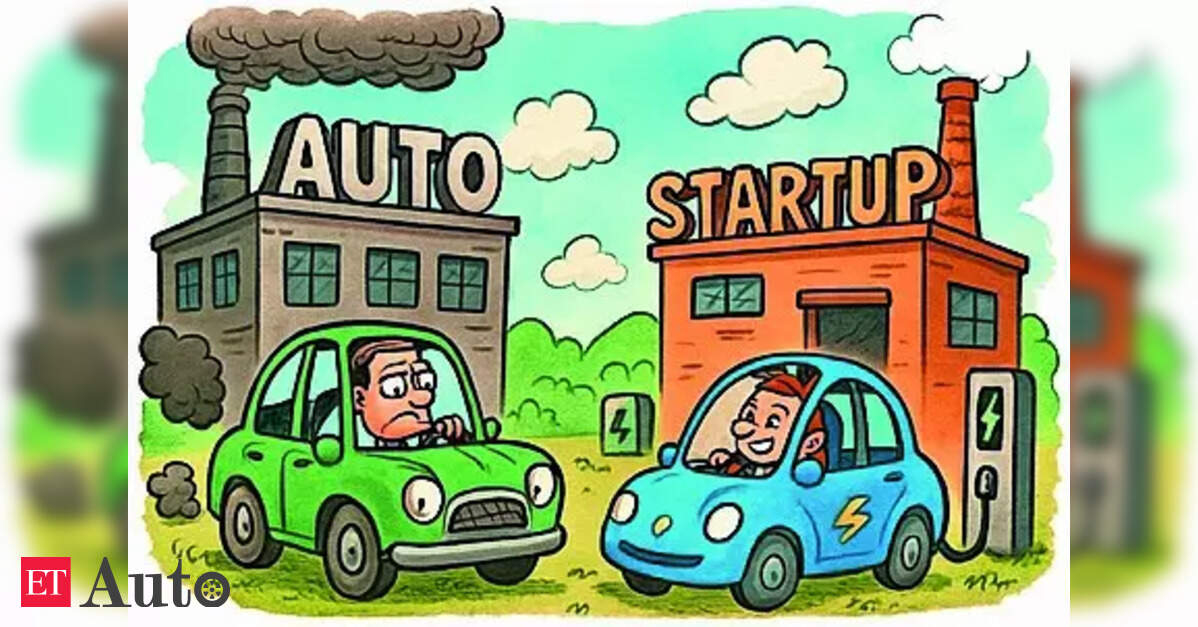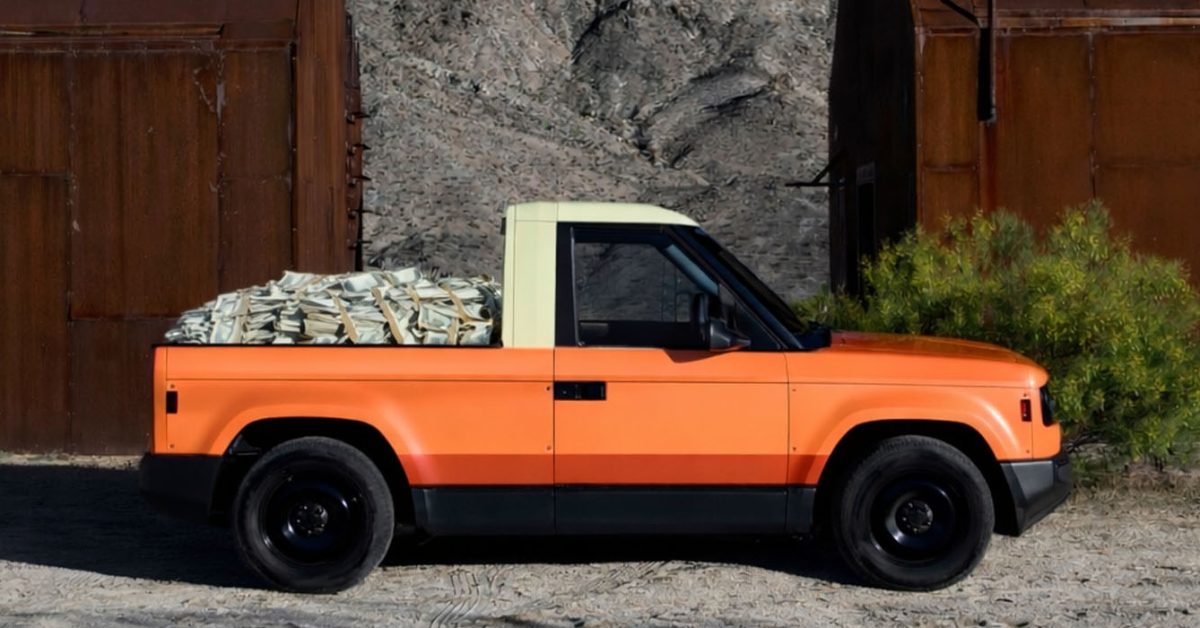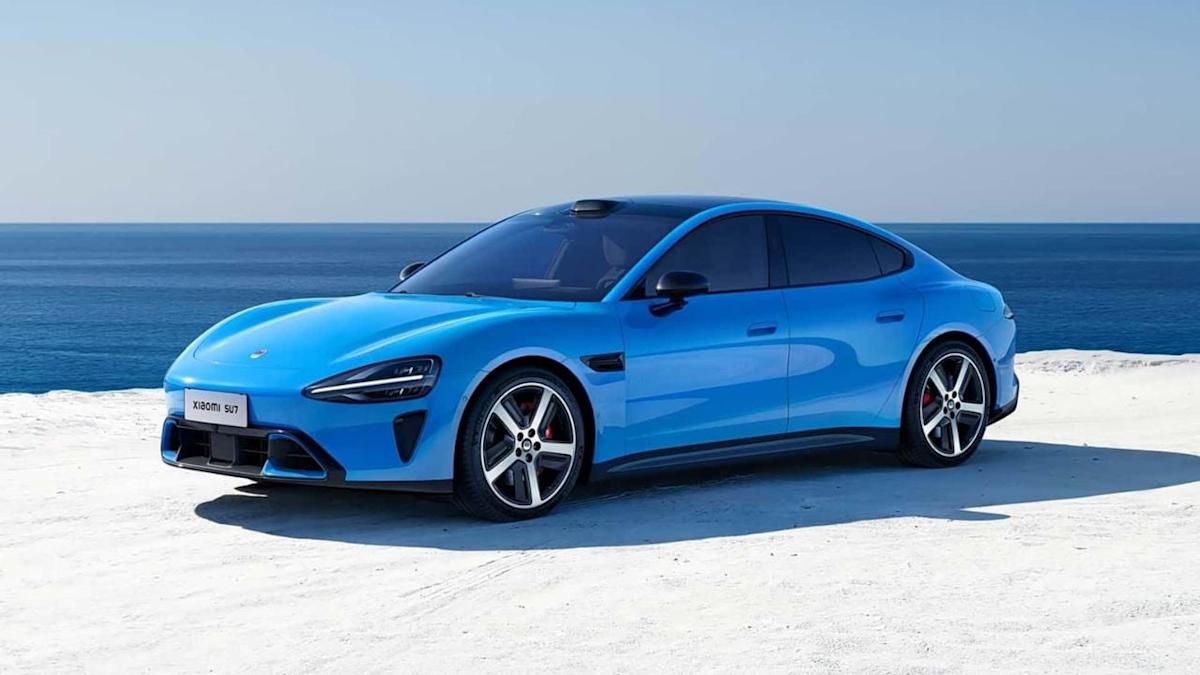
U.S. automakers are lagging far behind China in electric vehicle technology, efficiency and cost, scrapping prototypes left (1) and right (2) as a result.
Against the backdrop, one homegrown EV CEO still managed to earn more than $400 million on paper last year.
Must Read
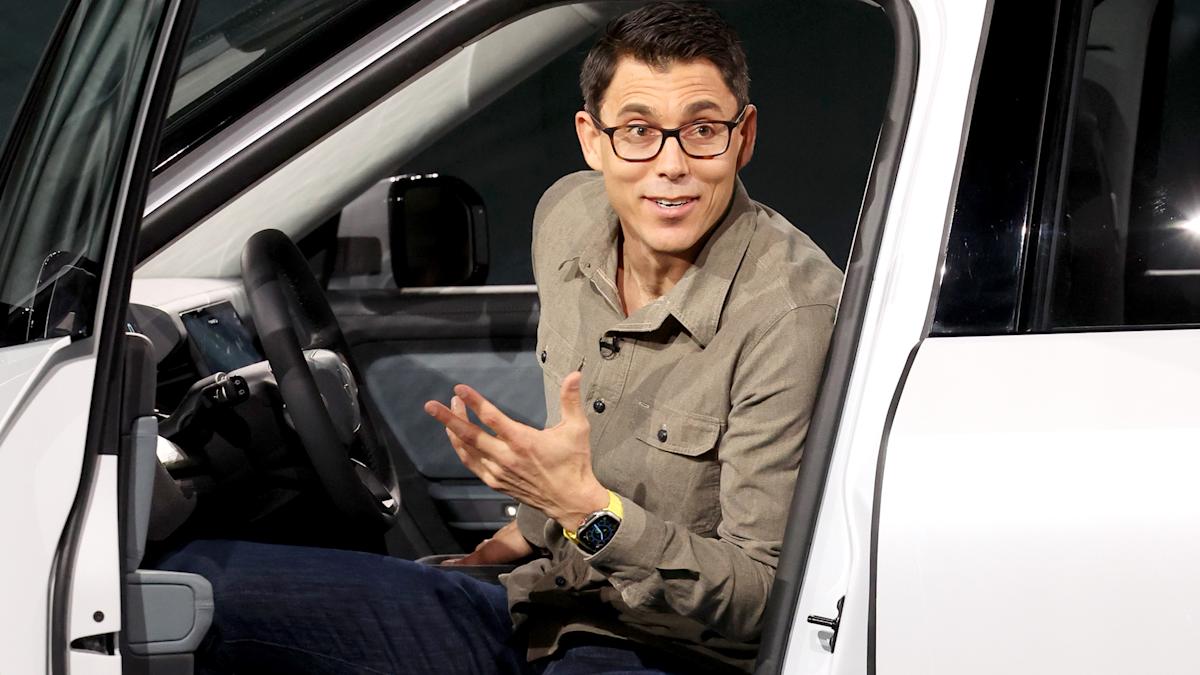
RJ Scaringe, the founder and CEO of Rivian, earned more than any other CEO in the sector in 2025. And not by a slim margin, either. He grossed $403 million, about 13 times more than the second-highest paid executive on the list.
This came in a year when his business celebrated an annual gross profit of $144 million (3) for the first time. That set the stage to increase deliveries by as much as 59% in 2026 (4) with the release of Rivian’s new R2 model.
Meanwhile, Ford logged one of its worst years on record, with an $8.2 billion net loss (5), largely due to its investment in EV initiatives that faced “lower-than-expected demand, high costs and regulatory changes.” CEO Jim Farley still took home $27.5 million.
But Scaringe’s $403 million payday is not exactly what it seems.
How Rivian manages to float when others are sinking
So far in 2026, Rivian has outperformed both revenue (6) and earnings per share (EPS) predictions (7), with year-over-year gains (8) in both.
Founded in 2009 to build “category-defining” electric vehicles for adventure, the company manufactures electric trucks, SUVs and vans within the US. It is often cited as an American success story (9), with Amazon and Volkswagen among its key shareholders following a $14 billion IPO in 2021.
Amazon has tapped Rivian for its new fleet of 100,000 delivery vans (10), while Rivian and Volkswagen launched a joint auto tech venture (11) in 2024. Additionally, the EV maker signed a deal (12) to supply Uber with $1.25 billion in robotaxis.
Unlike projects and even entire companies (13) falling by the wayside in a temperamental EV market, Rivian has forged key partnerships and kept a strong focus on technology, helping to offset losses on the automotive side and, perhaps against the odds, survive.
One draw is the startup’s mission to help owners maintain their cars for longer (14) through “vertically integrated software and services” that cover the full lifespan of a vehicle. That approach detours from the planned obsolescence common in many consumer goods (15), including some EVs (16).