MENA-focused fintech, Sovra, has raised just over USD 2 mn in pre-seed funding to build a platform offering users self-custodial USD accounts using stablecoin infrastructure, according to a press release (pdf). The round was led by Pharsalus Capital and drew a slew of angel investor heavyweights, including: Karim Atiyeh, founder of Ramp; Hisham Al-Falih, founder of Lean Technologies; Hany Rashwan, founder of 21Shares; and Egyptian b’naire Naguib Sawiris, chairman of Orascom Development Holding.
Sovra will hold balances in USDC — the regulated stablecoin issued by Circle, the NYSE-listed, SEC-regulated, Deloitte-audited company — and gives users, not the platform, the private keys. That means funds will remain accessible for users no matter what happens.
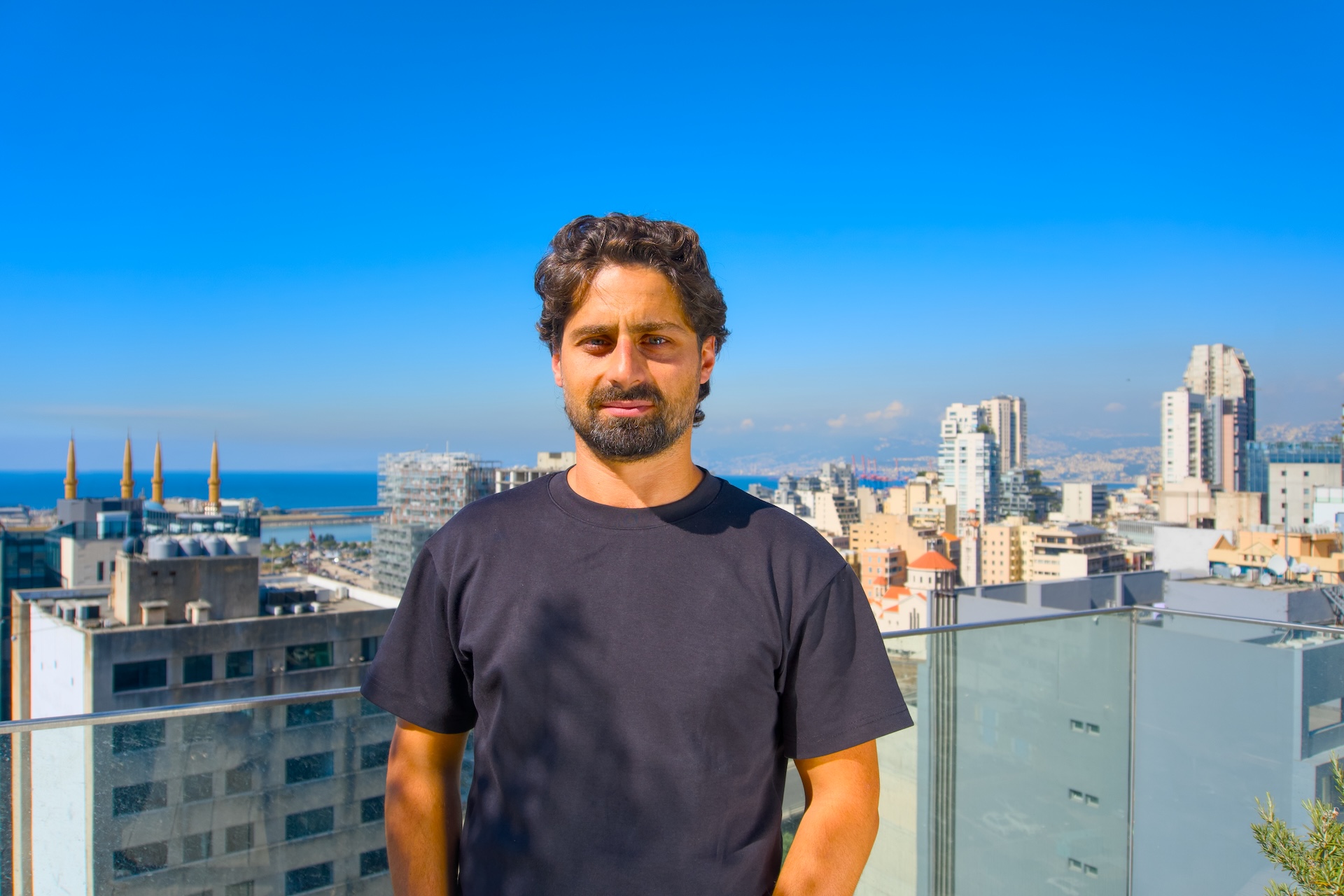
The idea was inspired by Lebanon’s financial crisis back in 2019, which saw bank deposits and accounts frozen, and aims to help people who are unbanked and underbanked, with the platform set to be available across 180 countries, including most of MENA, from day one, founder and CEO Ahmad Wehbi tells EnterpriseAM. “Our focus is the parts of MENA where local currencies are unstable, local systems are fragile, and most people are unbanked or underbanked,” he explains. “It’s where the need is greatest, and where we’ve already seen the most demand.”
Why start with the USDC? “In the parts of MENA where local currencies are unstable and local systems fragile, the USD is what people reach for, so we build on the strongest digital form of that USD: USDC, a stablecoin issued by a regulated, publicly listed company,” Wehbi says. But it will be easy to convert into fiat: “The on- and off-ramps that let people convert between USDC and local currency, including AED, are part of our launch plan from day one, delivered through licensed third-party partners,” Wehbi adds.
AED stablecoins next? “As we grow into new markets, we’ll integrate the currencies and rails people actually use there, including AED-denominated stablecoins,” Wehbi tells us.
The feature set at launch covers USD-denominated accounts, peer-to-peer transfers, yield access via third-party DeFi protocols, and a Visa/Mastercard-backed card.
What’s next: Look for a 3Q launch, with plans to use the funds to finalize the card and virtual account rollout, add Arabic language support, and grow an early user cohort, Wehbi tells us.