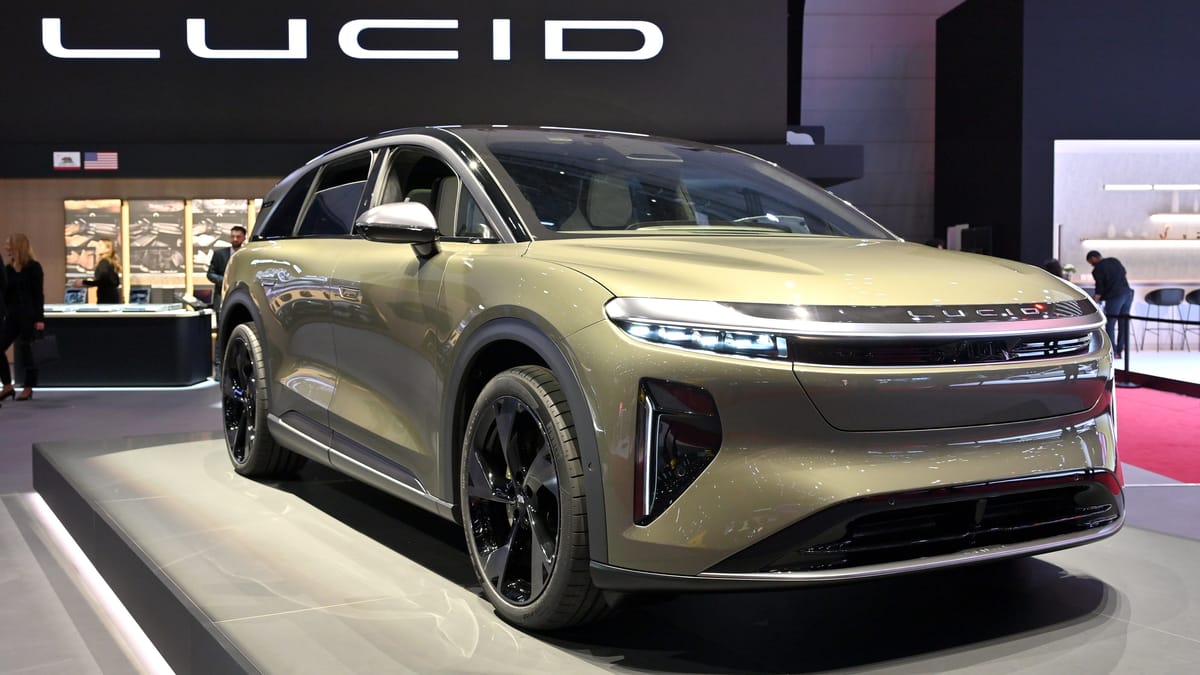
Lucid Motors scrambled to contain a financial firestorm this week after bankruptcy rumors sent its stock into freefall and sparked a broader selloff across EV-only automakers. The company quickly denied the claims as “completely false,” pointing to its available cash runway extending into 2027. But the damage spread fast – Rivian and Polestar shares both tumbled as investors questioned whether pure-play EV startups can survive slowing demand and shifting policy winds.
Lucid Motors spent most of this week fighting fires it didn’t start. Bankruptcy rumors hit the EV maker hard, sending shares plummeting before the company could even issue a denial. “These reports are completely false,” Lucid said in a statement to The Verge, emphasizing that it has sufficient free cash flow to operate well into next year.
But denials don’t always stop market panics. The rumor’s spread revealed something deeper – investor anxiety about the entire EV startup ecosystem is reaching a breaking point. Rivian shares dropped in sympathy trading, while Polestar saw similar declines as traders started asking uncomfortable questions about which EV-only companies can actually make it to profitability.
The timing couldn’t be worse. Consumer demand for electric vehicles has cooled considerably from the frenzy of 2021 and 2022. Policy shifts under various administrations have created whiplash for manufacturers who bet billions on sustained government support for EV adoption. Tax credits come and go, emissions standards get rewritten, and charging infrastructure funding remains uncertain. For startups burning through cash to scale production, that volatility is potentially fatal.
Lucid’s situation illustrates the precarious position facing EV startups. The company has delivered impressive technology – its Air sedan boasts industry-leading range and luxury positioning that rivals traditional premium brands. But impressive engineering doesn’t automatically translate to financial sustainability when you’re competing against Tesla on one side and legacy automakers with deep pockets on the other.
The company’s biggest advantage has also become a vulnerability. Lucid is majority-owned by Saudi Arabia’s Public Investment Fund, which has pumped billions into keeping the lights on. That backing provides a safety net most startups don’t have, but it also raises questions about how long even sovereign wealth funds will tolerate losses if the market doesn’t improve.
Rivian faces similar pressures despite having Amazon as a major investor and customer. The company’s electric vans are rolling out across Amazon’s delivery network, providing guaranteed revenue. Yet Rivian is still bleeding cash as it ramps production and develops new models. The R2 platform represents the company’s attempt to reach mass-market pricing, but that launch is still months away.
Polestar, backed by Volvo and Geely, has the advantage of shared platforms and manufacturing expertise from established automakers. That hasn’t insulated it from the broader market’s skepticism toward EV valuations. The company went public through a SPAC merger that valued it at $20 billion – a number that looks increasingly divorced from current market realities.
What’s rattling investors isn’t just about these specific companies. It’s the recognition that the path from startup to sustainable automaker is littered with casualties. The industry graveyard includes names like Fisker, Lordstown Motors, and countless others that couldn’t bridge the gap between compelling prototypes and profitable production.
The capital requirements for automotive manufacturing are brutal. You need billions for factories, supply chain development, R&D, and marketing before you sell your first car. Then you need to sell tens of thousands of vehicles just to approach break-even on each model. Traditional automakers can absorb those costs across diverse product lines and decades of accumulated capital. Startups have to convince investors to keep funding losses for years.
Market conditions have shifted dramatically since the easy-money era of 2020-2021. Interest rates are higher, making capital more expensive. Public market investors have soured on growth-at-any-cost stories. SPACs, the vehicle many EV startups used to go public, are now widely viewed as cautionary tales. Raising additional capital through stock sales becomes harder when your share price has cratered.
This week’s panic also exposed how fragile investor confidence has become. One unverified rumor was enough to trigger selling across the entire EV startup sector. That suggests traders are positioned for bad news, expecting companies to announce funding shortfalls or production cuts. When everyone’s waiting for the other shoe to drop, any noise sounds like footsteps.
The question now isn’t whether some EV startups will fail – that’s already happening. It’s which ones can survive long enough to reach sustainable scale. Tesla went through its own near-death experiences multiple times before reaching profitability. The difference is Tesla was pioneering a category and had less competition. Today’s startups are fighting for share in an increasingly crowded market where traditional automakers have finally gotten serious about electric vehicles.
The Lucid bankruptcy scare is a warning shot for the entire EV startup ecosystem. Even if this particular rumor was false, it exposed real anxieties about which companies can survive the transition from venture-backed startups to sustainable manufacturers. With consumer demand softening, policy support uncertain, and capital markets skeptical, the next 12 months will likely separate the survivors from the casualties. Investors are no longer willing to fund indefinite losses while waiting for profitability that may never arrive. For EV startups, the message is clear: demonstrate a credible path to making money, or watch your funding options disappear.