A deep-tech startup backed by ETRI technology is moving into on-device AI commercialization, targeting global expansion.
Dalgu, a deep-tech emergency medical startup based in Gwangju, has received foundational on-device AI technology from the Electronics and Telecommunications Research Institute (ETRI) and is moving into full-scale technology commercialization. On the 31st, the company said it has begun commercializing an emergency medical AI system that uses just one camera to assess the quality of on-site emergency treatment in real time and provide feedback.
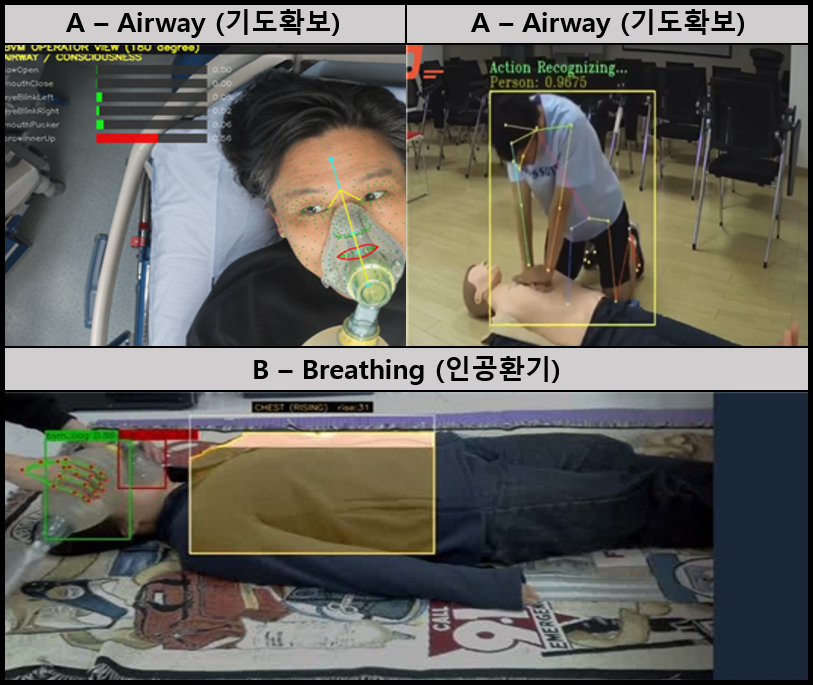
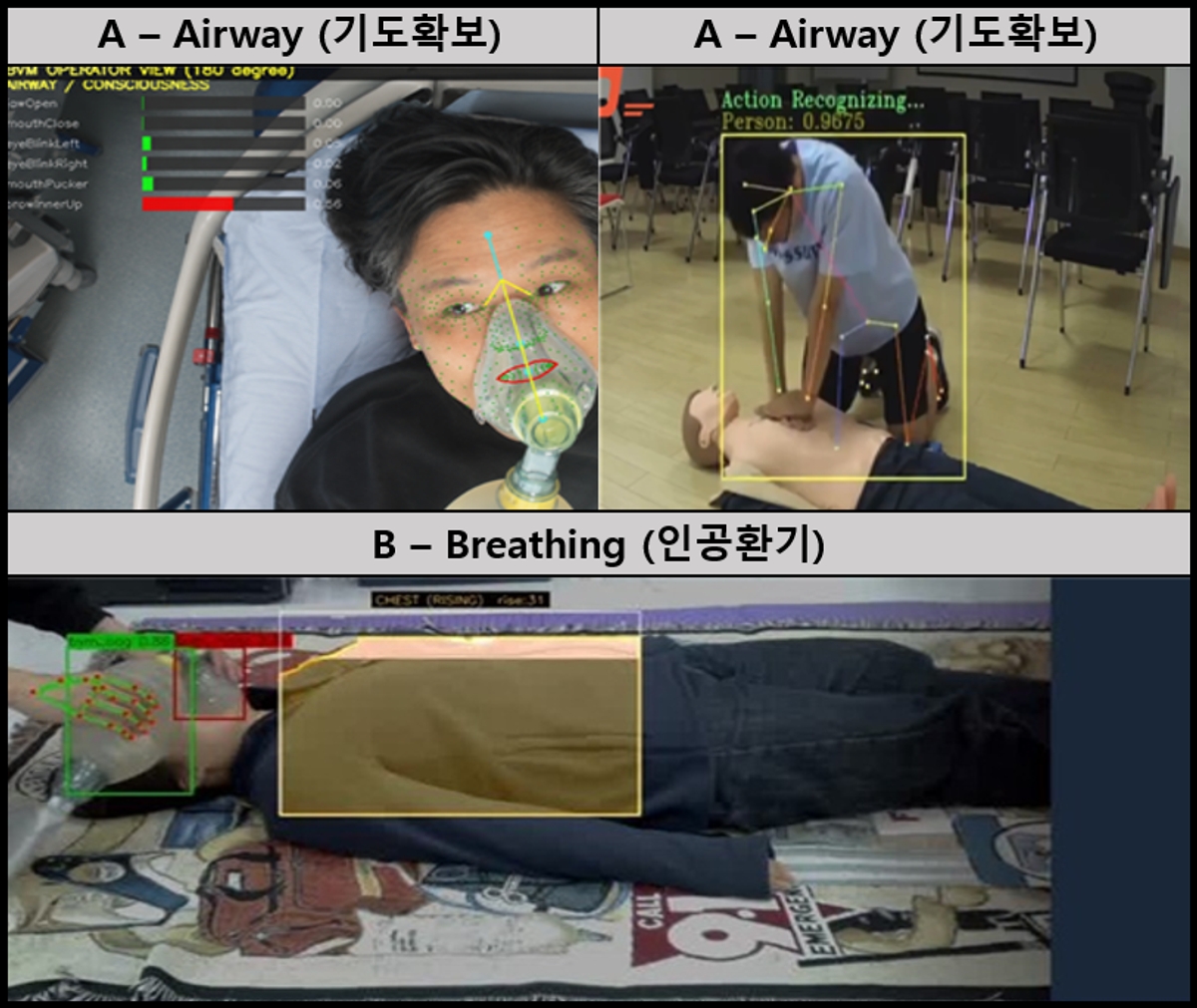
Dalgu is a healthcare company that aims to solve, through technology, the quality problems of pre-hospital on-site treatment that determine patients’ chances of survival. Its target is “Emergency care, standardized for everyone, everywhere”. In particular, its core product, the on-device vision AI “ABC Copilot”, grades and corrects in real time the accuracy of essential emergency interventions such as securing an airway and performing artificial ventilation using only camera footage—without expensive sensor equipment.
Park Si-eun, CEO of Dalgu, is an expert who has worked in emergency medical settings for 20 years and has served as a consultant for the National Cardiac Arrest Survey Committee, among other roles. Park said that while analyzing rescue-site videos from disaster scenes, she confirmed a reality in which even the most basic emergency treatment often is not carried out properly on site. Founded to overcome that challenge with technology, Dalgu has set as its core goal “Emergency care for 99%”, so that not just a few, but the vast majority, receive treatment at a standard level.
Dalgu is currently strengthening technology reliability by conducting clinical verification with the Department of Emergency Medicine at Chonnam National University Hospital. Based on the verified foundational technology, the company is also actively pursuing global market entry, including in developing countries where emergency medical infrastructure is weak. It has been producing visible results, including discussions with overseas public institutions about large-scale deployment partnerships, and it was selected for the Ministry of SMEs and Startups’ public-private joint technology commercialization R&D program, stepping up efforts to further advance the technology.