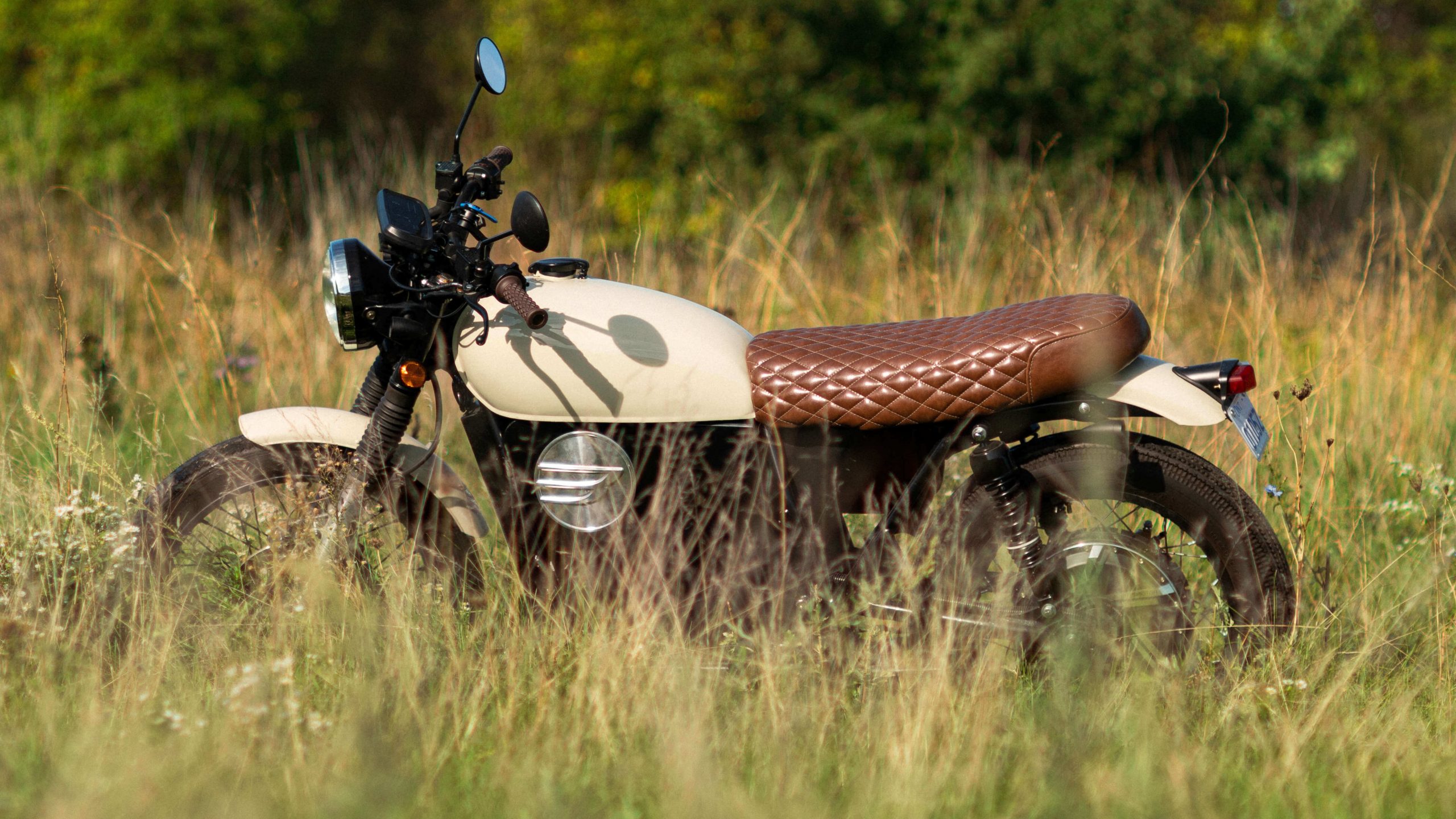


Scattered all over America in dusty barns, garages, and basements sit old motorcycles that haven’t run in potentially decades. These once-proud steeds are sometimes extricated and scrapped, their stories and histories vanishing with them. One American company wants to keep these old bikes around for the future while also making them cleaner. Beachman Bikes says that it can take your old, broken motorcycle and turn it into an electric motorcycle with real, usable range.
Back in my early days of motorcycling in 2018, I had a hobby of buying worn-out motorcycles that hadn’t run in years and then bringing them back to life. There were few things in life more gratifying than taking a vehicle out of an extended slumber and putting it back on the road again. These bikes, which I purchased for no more than $500, often needed nothing more than a fuel tank and carburetor cleaning to get their juices flowing and a fresh battery to bring them back to life. Some might have needed a clutch or a wiring short fixed, but nothing too major.
Sadly, not all of these motorcycles were within my ability to be rescued. Some had grenade transmissions, some had cracked engine cases, and some had so many things broken that fixing it would cost more than buying one that wasn’t broken. These motorcycles had a likely future of either rotting away in another barn or, worse, getting scrapped. It was through fixing motorcycles that I learned that you cannot save everything. But maybe these down-and-out machines can have one last shot at life before retiring to the Route 66 in the sky.
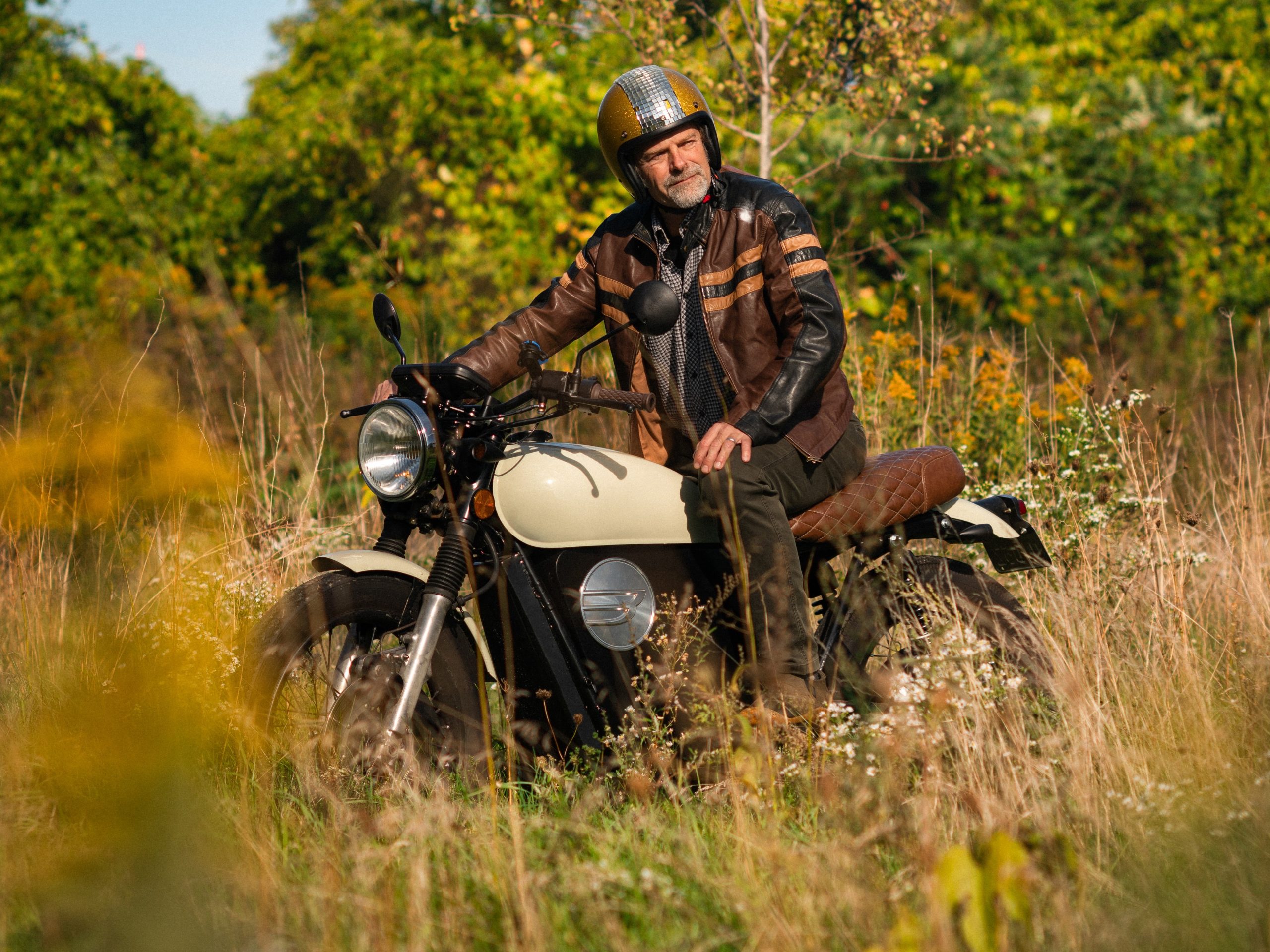
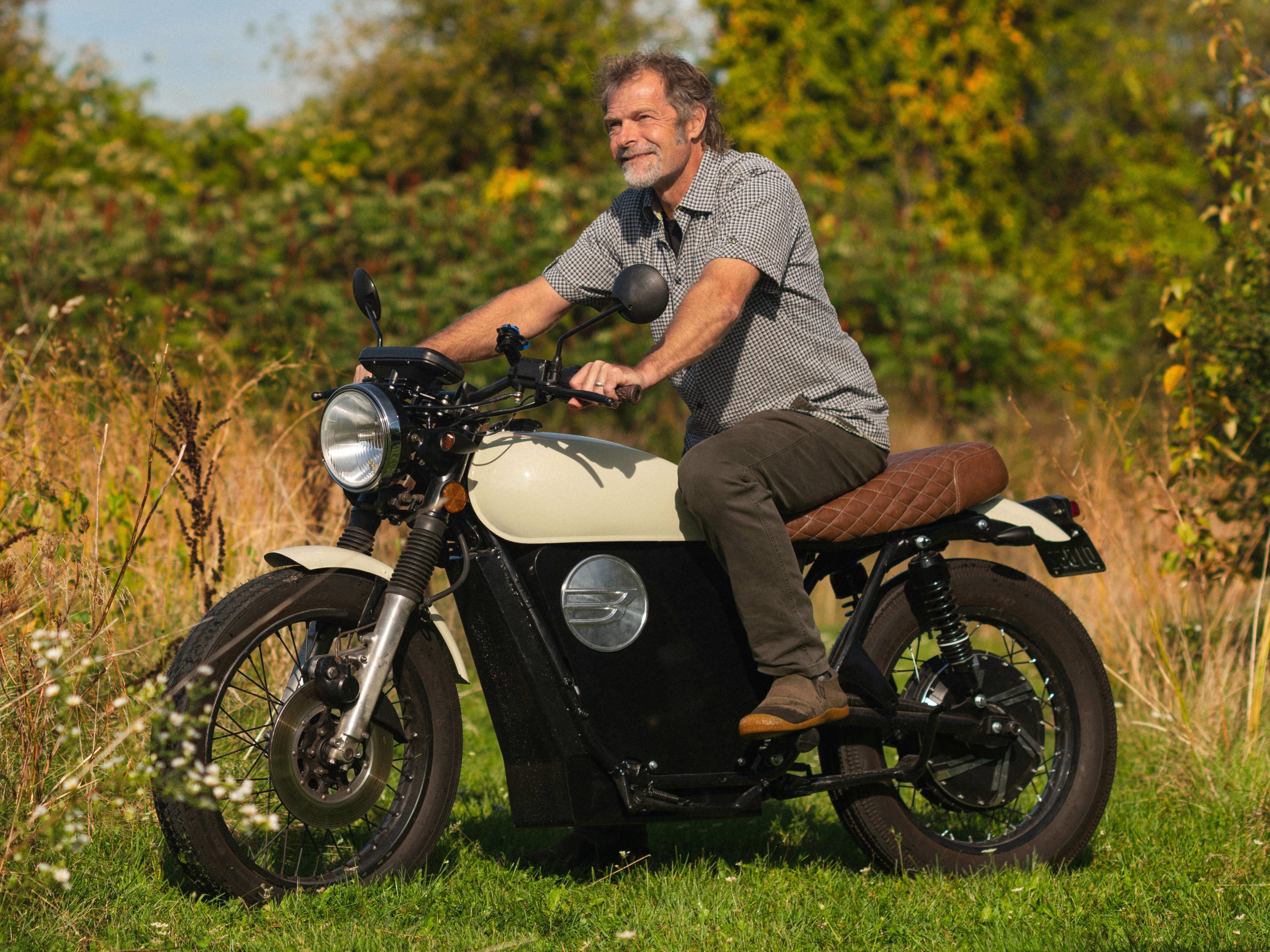
That’s what Beachman Bikes wants to do. It’s specifically looking for down-and-out old motorcycles to revive as electric machines. To show what it can do, it converted a customer’s broken Honda CB500 into an electric motorcycle.
Beachman Bikes
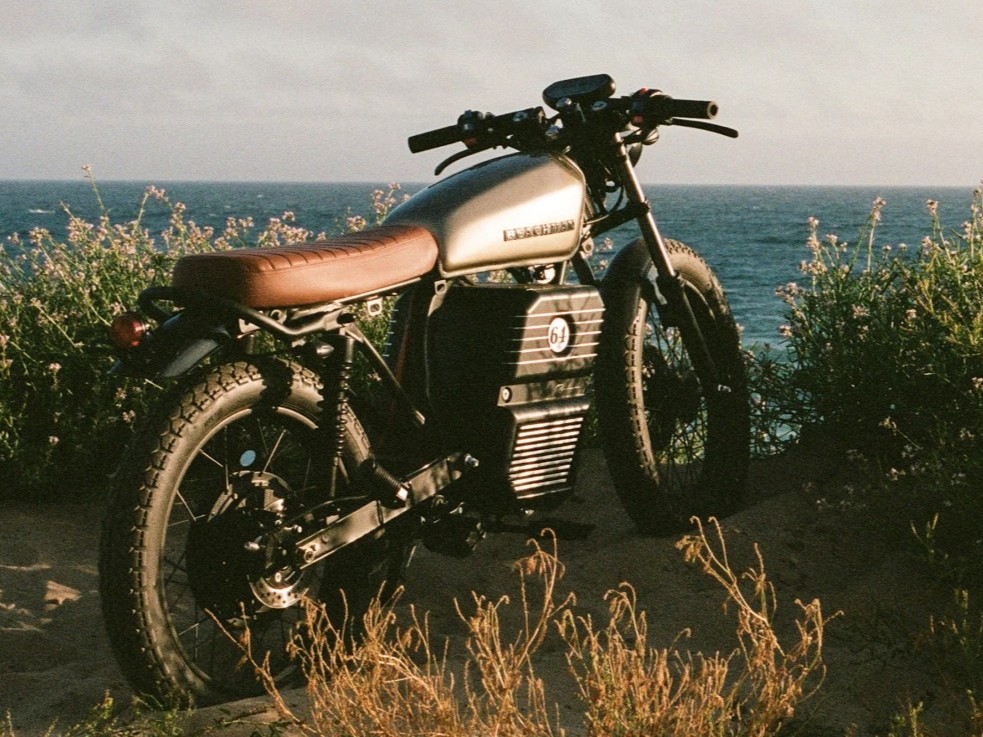
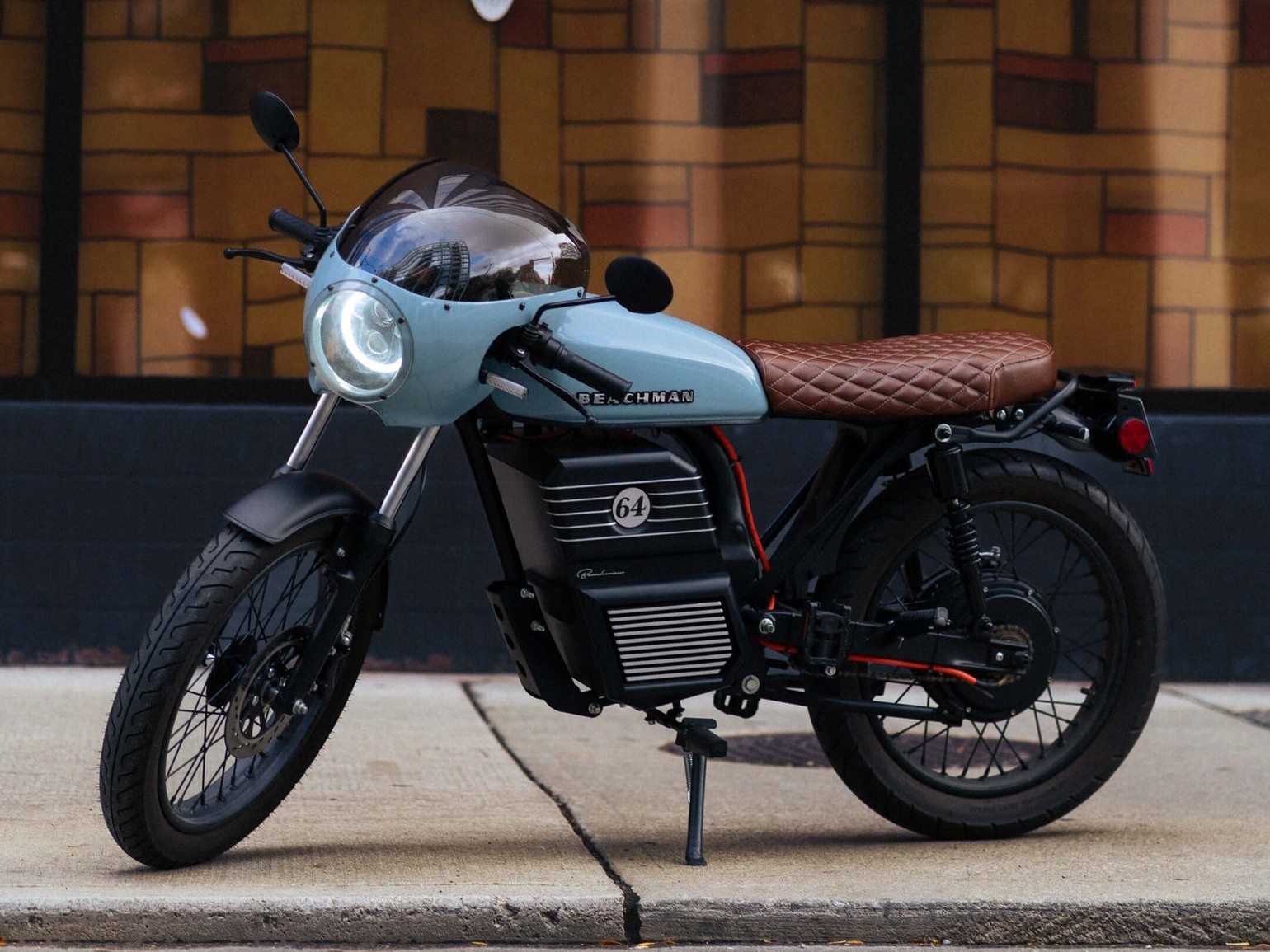
If Beachman Bikes sounds familiar to you, it’s because I covered the startup last year when it was selling a stunning vintage café racer-style “e-bike” that looked suspiciously like an urban electric motorcycle with pedals tacked on. Here’s how Beachman Bikes tells its origin story:
The story of Beachman begins in 2016, as an idea for a retro brand that stood for the best in life. Experiences like enjoying an afternoon by the water or a weekend on the road. The goal of Beachman was to build incredible things that would make these moments even better. The iconic Beachman logo was designed in 2018 by Jeremy Grice after Ben described his vision over a casual Tuesday afternoon lunch. 3 years later, Beachman paid Jeremy for his pro-bono design with the delivery of his very own bike.
Fast forward to 2019, and our two founders Ben Taylor and Steve Payne have a chance encounter at a coffee shop. Ben, the creator of the Beachman name with the dream to build a wildly new 50cc cafe racer, and Steve, the wild cafe racer builder who could bring that dream to life – on the condition that the bikes were electric. This simple suggestion changed the course of Beachman forever.
In the fall of 2020 Steve completed work on the first prototype, a modified 1979 Kawasaki KZ200 which we simply refer to as “Zero”. With a battery system hand-built by Steve, a modern electric drivetrain, and authentic café racer styling, the pair knew they had something special. Around this time they found a factory who trusted the vision and was capable of building a production model. Using queues from Bike Zero and building off of a classic 70s 125cc platform, the first production bike was designed using mostly standard motorcycle and E-bike parts. After crossing their fingers, the founders ordered 30 bikes to be produced and prayed they would live up to the dream.
I did criticize Beachman Bikes for selling its ’64 E-Bike model as a Class II E-Bike despite having a top speed of 45 mph and an output of 4.02 HP. To the credit of Beachman, one of its founders, Ben, reached out to me. He explained that the company was transitioning to becoming a motorcycle manufacturer, but hadn’t quite finished jumping through the regulatory hurdles yet when the ’64 launched. From Beachman Bikes:
Just wanted to say that I totally get your criticism of the platform. Our intention is to have people register the bikes, but we are transitioning from e-bike company to actual motorcycle manufacturer right now, and so the bikes is a hybrid in order to allow maximum flexibility to our customers. Lots of people just leave it at 20mph and ride happily as an e-bike, and since we don’t sell to children we hopefully aren’t contributing to the madness of kids on surrons.
In Canada we are right now swapping over to a legitimate low-speed motorcycle with no pedals, but in the US we still have work to do before we can fully do that jump. Sometime next year we’ll be dropping the e-bike thing entirely and becoming a bonafide moped/motorcycle company. It just takes a lot of work and huge resources to do that process legally & operationally when you don’t have the resources of Harley, honda etc.
True to Ben’s word, the company is now officially a motorcycle manufacturer and does sell a road-legal and license-plated electric motorcycle. The ’64 Light Motorcycle is basically the ’64 E-Bike, but without the pedals and with a higher top speed of 50 mph. That’s a good move in the right direction! But it’s what Beachman Bikes is currently doing that has piqued my interest the most.
Saving Busted Bikes
Electric motorcycle conversions are as old as the motorcycle itself. Seriously, back when guys in sheds were strapping gasoline engines to bicycles, there were others juicing bikes up. I even considered doing an electric motorcycle conversion in 2018 when I had a few bikes that were broken beyond economical repair. Ultimately, I did not go forward with a conversion because I had no idea what I was doing. Nor did I really have the time or space for such a huge moto surgery.
This month, Beachman Bikes has officially launched its Special Vehicles Division (SVD). Beachman Bikes says that SVD operates as a sort of skunkworks where the company’s builders take ruined old motorcycles, restore them, and then modernize them.
Beachman Bikes says that SVD kicked off when a customer approached them with a 1974 Honda CB500 with a blown engine and a destroyed clutch. Normally, such damage would lead to the retirement of a bike like this. Beachman Bikes thought the bike was deserving of a second chance at life, especially considering the fact that the CB500 is a great part of Honda history.
Honda says that the CB500 Four was built in response to the massive success of the CB750 Four, and the 500 was designed to be lighter and more manageable than the 750. In marketing the CB500 after its launch in 1971, Honda called the CB500 the “500 for the Quiet Man,” and Honda hoped the more accessible motorcycle would get more people on a Honda Four. The CB500 was also the first Honda to feature a helmet holder, which was meant to encourage riders in regions without helmet laws to actually wear a helmet.
Despite the CB500’s marketing as a more dignified motorcycle ride, it was still plenty fast. Bill Smith took a win at the 1973 500cc Production TT on a CB500. So, I get why Beachman Bikes wanted to save one, even if Honda made a gazillion of them.
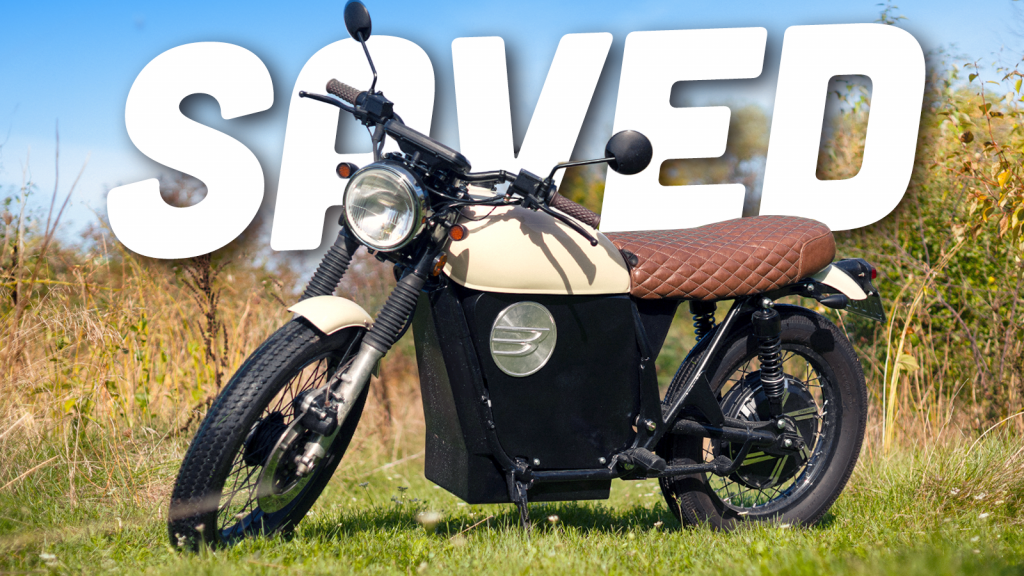
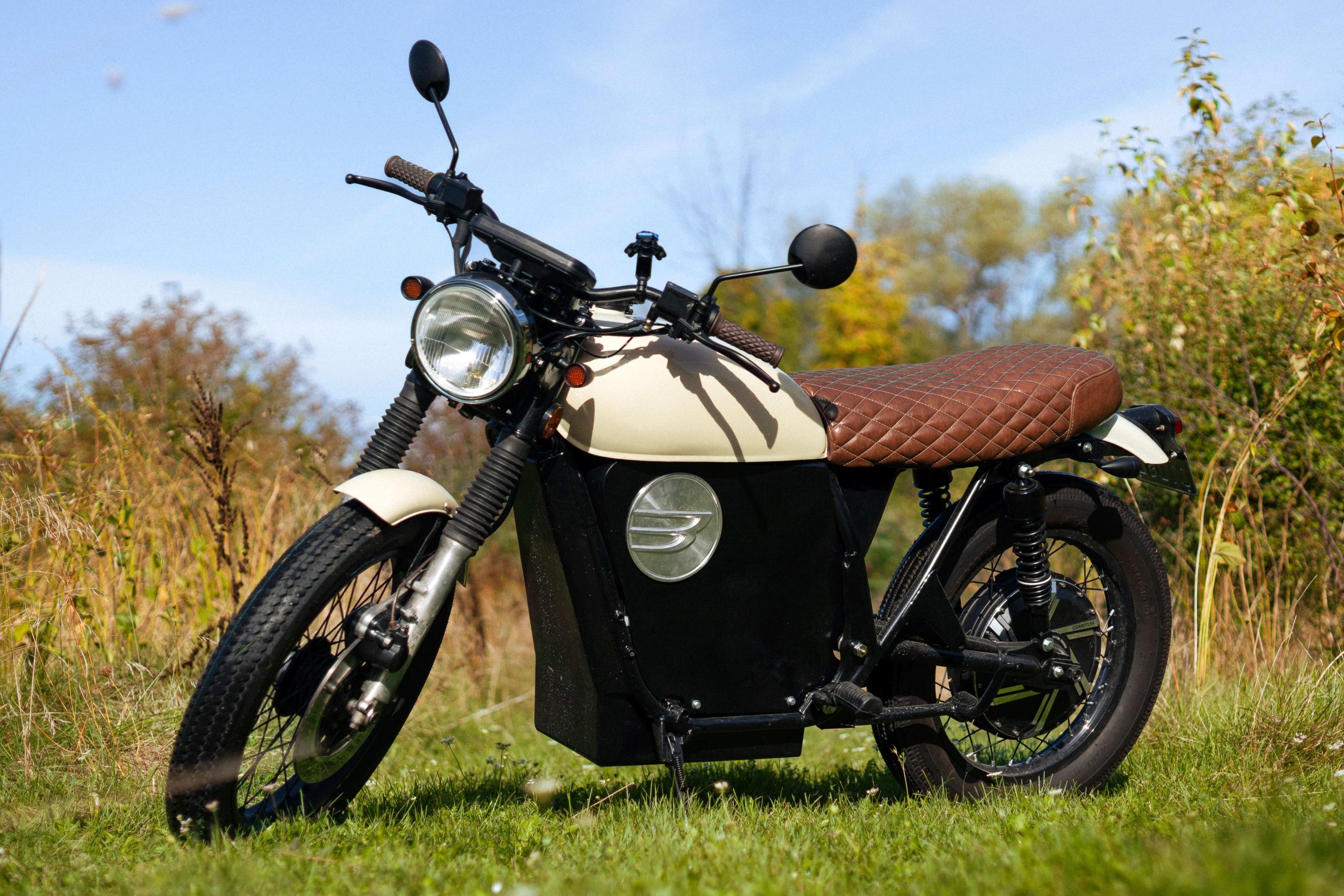
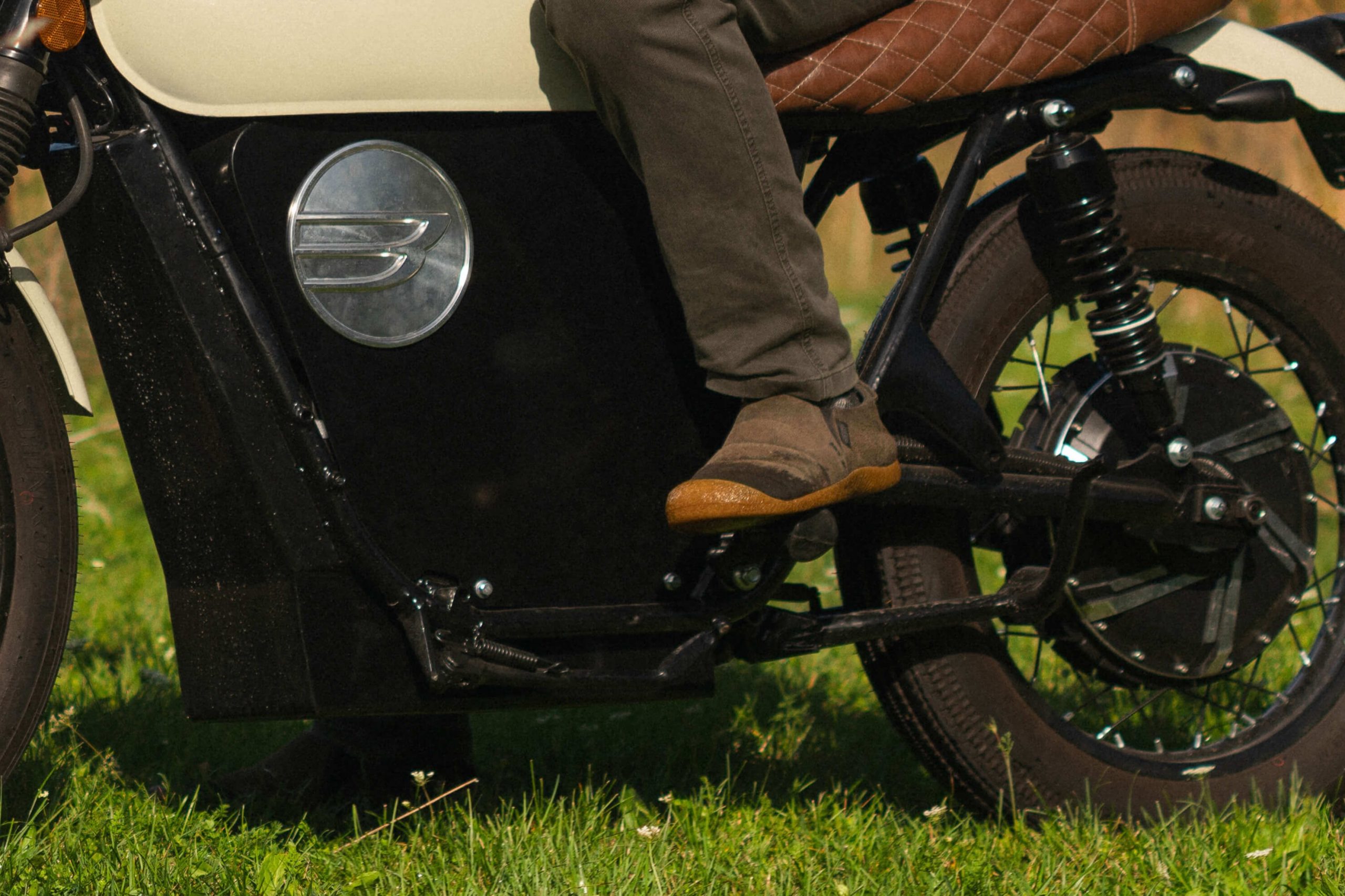
Beachman Bikes says that it did not just convert the CB500 to electric. During the restoration process, the company updated the motorcycle’s design. This started with a 3D scan of the motorcycle’s frame. This allowed Beachman Bikes to figure out just how much room there was to stuff electric vehicle bits into the frame without weighing down the bike or throwing off its original balance. Beachman Bikes then designed a battery pack to specifically fit in the void left behind by the engine and transmission. The resulting 14.4 kWh lithium battery is built by Beachman’s existing supplier.
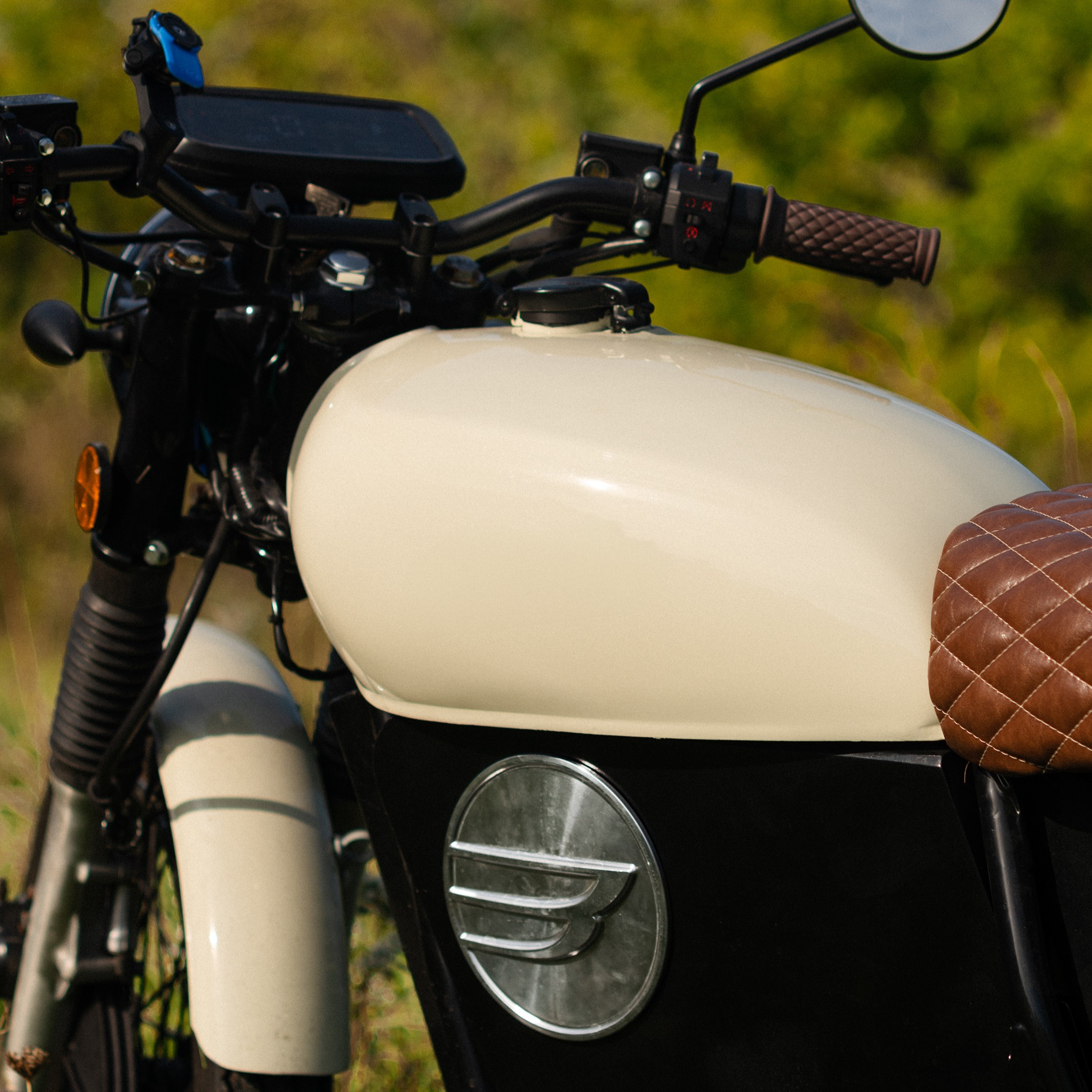
This battery is housed in a custom box draped over the area where the engine used to be. From there, Beachman Bikes added some more touches like a digital dashboard, a tracker-style seat, and of course, the characteristic café racer touch of exposed framework. The charge port is where the filler neck would be on what is now the false tank.
The only part I’m not really a fan of is the battery box, which presents itself as a huge black monolith in the middle of an otherwise retro design. I would have also chosen a tank color that’s a bit more bombastic than a desert tan, but, obviously, this bike was built to the tastes of the customer, so that’s not a Beachman problem. I also think the Beachman logo would have been better on the tank, too, but then the monolith battery would be even more barren.
Beachman has not provided specs for the hub motor or range figures, but does say that the motorcycle has “highway speed capability.” Given the pack size, I think an 80-mile real-world range is attainable if the rider takes back roads. Apparently, the client who ordered this motorcycle specifically wants to use it to ride between the city and his rural farm.
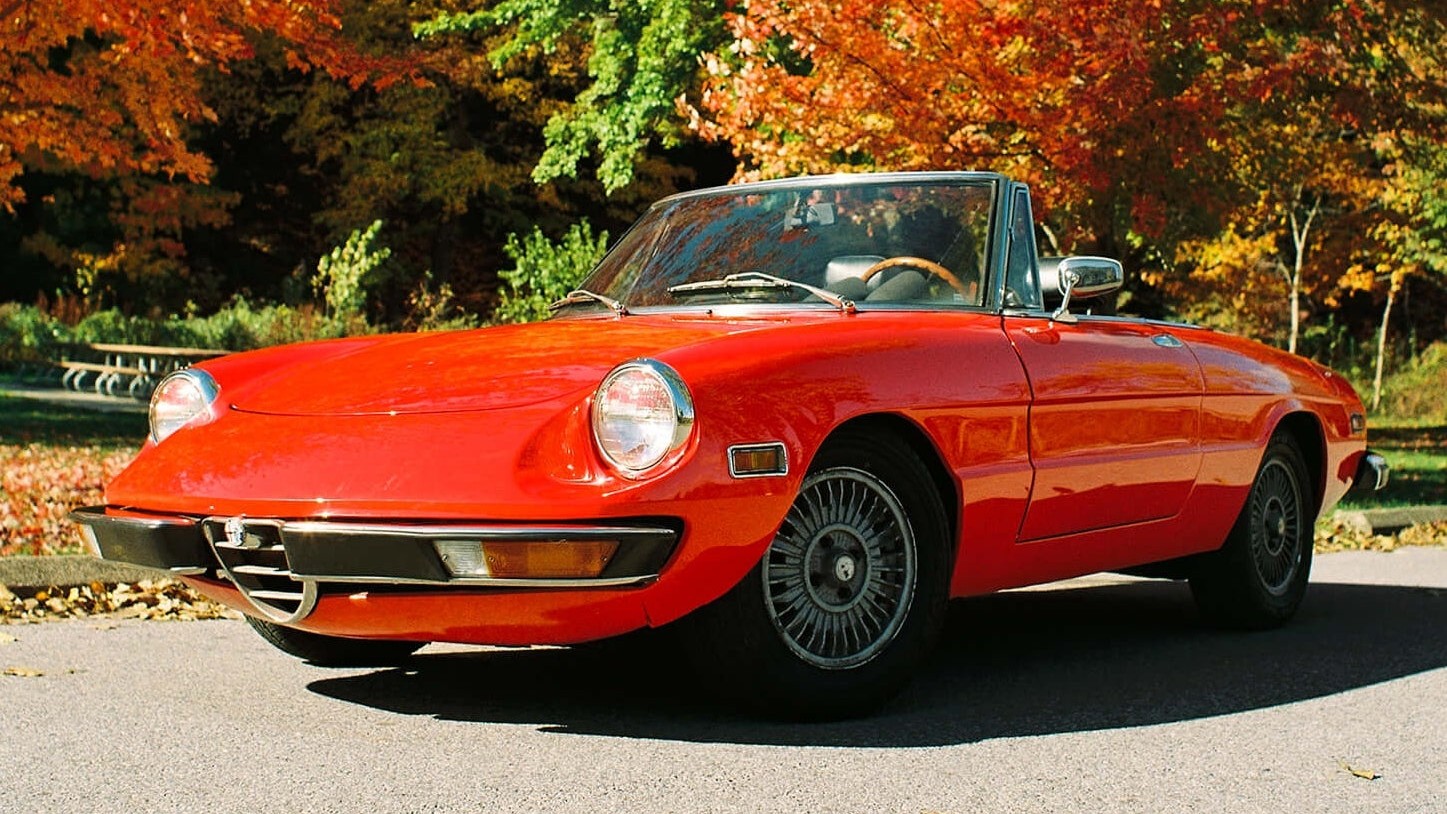
Beachman also notes that while this motorcycle build is the feature vehicle for the launch of Beachman Bikes SVD, it wasn’t the company’s first conversion. In the past, Beachman has converted a 1974 Volkswagen Thing, a 1979 Kawasaki KZ400, a Volkswagen Squareback, a 1974 Meyers Manx, a 1979 Kawasaki KZ200, a 1958 Chevrolet Apache, and a 1974 Alfa Romeo Spyder to electric. Typically, the converted cars use systems transplanted from Nissan Leafs, Toyota Prii, and Teslas. So, the company seems to know a thing or two about turning ICE vehicles into EVs.
Not The Worst Pricing We’ve Seen
If you want your own Canadian-made electric conversion, Beachman says it’ll convert your broken motorcycle for a starting price of $10,000. It’s specifically looking for broken bikes, too. Beachman says it’s not interested in chopping up working classic motorcycles. SVD wants to save ruined bikes from going to the scrapper. There are plenty of other shops that convert working machines.
I like that. They’re not butchering classic two-strokes or trashing legendary inline-fours. They’re taking motorcycles that were on their way to the junkyard in the sky and are giving them a renewed life.
The catch is that $10,000 isn’t cheap, and if just saving a dead motorcycle is all you want to do, a broken old bike can be brought back to running condition for less than that price. I’ve done it many times for less than $5,000. But if you want to save a bike, electrify it, and not do any of the work yourself, I can see this conversion as an option. Assuming the motor makes decent power and the battery can be charged relatively fast, I could also sort of see someone considering a converted retro bike over something like a new Can-Am or LiveWire S2.
Either way, as a fan of taking discarded objects and turning them into something functional again, I like the concept of offering customers a turnkey electric motorcycle conversion. So, if you find some busted motorcycle in a barn and happen to have $10,000 to burn, maybe going electric is an option. One of these days I have to ride a classic motorcycle that’s been converted to electric to see what it’s like.
Top graphic image: Beachman Bikes
Source link