Competition in the Gulf’s fintech sector is entering a new phase, moving beyond consumer payments and digital transfers toward the financial infrastructure that powers corporate transactions.
Against this backdrop, UAE-based fintech company XSquare, which specializes in B2B payments, has secured an undisclosed pre-seed funding round led by Raed Ventures, with participation from AngelSpark, 500 Global and Oraseya Capital.
The new funding will support the company’s regional expansion, with Saudi Arabia emerging as its next major target.
The significance of the round goes beyond the amount raised, which has not been disclosed. More importantly, it highlights the markets XSquare is targeting and the type of financial infrastructure it is building. ز
The company operates at the intersection of fintech, banking, payments and trade finance—one of the fastest-growing areas of the Gulf’s digital economy.
XSquare: What Does the Company Do?
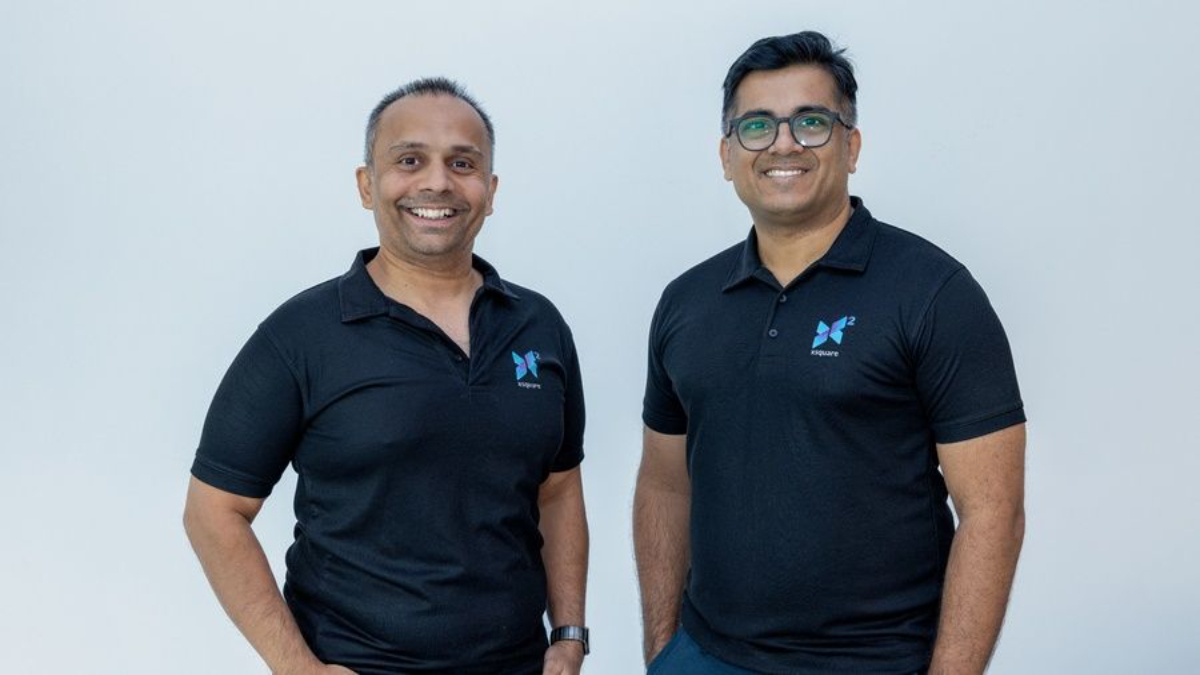
Founded in the UAE in 2023 by Tanveer Shah and Ashwin Shinoy, XSquare is developing a corporate payments orchestration platform designed to bring payment, collection and settlement operations across multiple channels and providers into a single system.
The problem XSquare is seeking to address is straightforward: large and medium-sized companies often work with multiple banks and payment service providers, creating fragmented systems for managing payments, collections and settlements.
XSquare aims to simplify this process through a single platform that connects businesses to multiple payment channels, allowing them to manage financial operations without having to build separate integrations with every provider.
The company’s platform currently integrates with payment service providers including Telr, Geidea, VaultsPay, Spare and Tess Payments, with plans to add more partners over time.
Why Does This Model Represent a Major Opportunity?
XSquare’s bet is not on another money-transfer application. Instead, it is targeting the infrastructure layer operating behind corporate financial transactions.
That distinction matters.
As companies expand e-commerce operations and cross-border business, they increasingly need to work with multiple payment channels, banks, currencies and markets.
A platform capable of bringing payment, collection and settlement operations together could reduce operational complexity, improve cash-flow management and give companies greater visibility over their financial transactions.
This is where XSquare is attempting to position itself as a link between businesses, banks and payment service providers.
Mastercard Adds Another Layer to the Strategy
XSquare is strengthening its model through a partnership with Mastercard, under which the company is working to roll out Mastercard’s corporate payments product.
The solution enables supplier payments to be funded through cards and settled directly into bank accounts.
The move is particularly relevant to the corporate payments market because supplier relationships represent one of the largest components of the financial cycle within an economy.
If fintech solutions can improve the way supplier payments are funded and settled, they can do more than simply accelerate transactions. They can also help companies manage working capital and liquidity more efficiently.
XSquare is working to implement the program with government entities and large corporations, giving it an opportunity to access high-value transactions rather than relying primarily on a broad base of individual consumers.
From the UAE and Qatar to Saudi Arabia: Why Riyadh?
XSquare currently operates in the UAE and Qatar, with its entry into Qatar marking its first expansion outside its home market.
The company has a presence at the Qatar Financial Centre (QFC) and works with banks and licensed payment service providers in Doha.
Its next major step, however, is entering Saudi Arabia.
The choice of Saudi Arabia is hardly surprising for a company focused on payments infrastructure.
The Kingdom represents one of the region’s largest economic and financial markets, while its accelerating digital transformation is creating significant opportunities for fintech companies capable of delivering solutions to businesses and institutions.
For XSquare, entering Saudi Arabia is therefore more than a geographic expansion. It could serve as a major test of whether its business model can scale beyond the UAE.
If the company successfully replicates its model in Qatar and then Saudi Arabia, it could move closer to building a regional network that can later expand into other Gulf markets.
Why Are Venture Capital Investors Interested in Corporate Payments?
XSquare’s funding round comes as investor interest in Gulf fintech continues to grow, while the focus is gradually shifting from consumer-facing applications toward financial infrastructure for businesses.
There are clear reasons for this shift.
Companies and institutions conduct larger and more complex financial transactions than individual consumers. As a result, a technology solution capable of improving even one part of those processes can create significant economic value.
Large companies also require increasingly integrated payment solutions as they expand across borders and work with multiple banks and financial service providers.
This helps explain the participation of Raed Ventures, alongside investors including 500 Global, AngelSpark and Oraseya Capital. The investment is not simply a bet on another fintech product; it is a bet on the opportunity to build scalable regional financial infrastructure.
Capital Is Not XSquare’s Only Challenge
Despite the size of the opportunity, the company faces significant challenges.
The market XSquare is targeting is highly sensitive to security and regulatory compliance, particularly when it comes to banking payments and settlement processes.
Building a strong network of partnerships with banks and payment providers will also be critical to the company’s success because the value of its platform increases as more institutions and payment channels become connected.
This explains why XSquare plans to use the new funding to expand partnerships with banks and payment providers while strengthening its engineering and sales teams.
In other words, the funding will not only be used to develop technology. It will also be used to build the ecosystem that makes the technology scalable.
The Real Competition: Who Owns the Layer Connecting Businesses to Finance?
The Gulf fintech market may appear increasingly crowded, but the infrastructure layer supporting B2B payments remains open to new business models.
The next phase of competition may therefore not be between applications offering payment services directly to consumers, but between companies capable of building a unified layer connecting businesses with banks, payment networks and financial service providers.
This is where XSquare’s strategy becomes particularly relevant.
The company is positioning itself as a payment orchestration platform rather than simply another provider of a single payment channel.
If successful, this model could give XSquare an important advantage because its expansion would depend on the number of institutions and channels it can connect—not merely the number of customers using one particular product.
Could Saudi Arabia Become XSquare’s Turning Point?
From the UAE to Qatar and now Saudi Arabia, XSquare is following a gradual regional expansion strategy.
But the Saudi market could represent a fundamentally different test.
Success in Saudi Arabia would give the company an opportunity to demonstrate that its platform can operate in a larger and more complex market. It could also strengthen its ability to attract future funding rounds if the expansion translates into meaningful growth in revenue, customers and transaction volumes.
For that reason, the latest funding round carries a message that extends beyond financing the company’s current stage.
Investors are betting on XSquare’s ability to build a scalable regional company in one of the most important segments of the digital economy: B2B payments infrastructure.
The Bottom Line: From Payments to Rebuilding Corporate Financial Infrastructure
XSquare’s story reflects a broader shift taking place across the Gulf fintech sector.
The first wave of fintech companies focused heavily on payments, transfers, savings and investment services for consumers. The next wave is increasingly targeting sectors that require more sophisticated financial solutions, particularly businesses and institutions.
XSquare is attempting to capitalize on this shift by building a platform that brings payments, collections and settlements together in one system, supported by partnerships with payment providers, Mastercard and banks.
With Saudi Arabia now in its expansion plans, the key question is no longer simply how much funding the company has raised, but whether it can convert that funding into a scalable regional financial network.
If successful, XSquare could become more than a UAE fintech expanding into Saudi Arabia. It could emerge as one of the companies helping build the next-generation infrastructure for B2B payments across the Gulf.
Read the article in