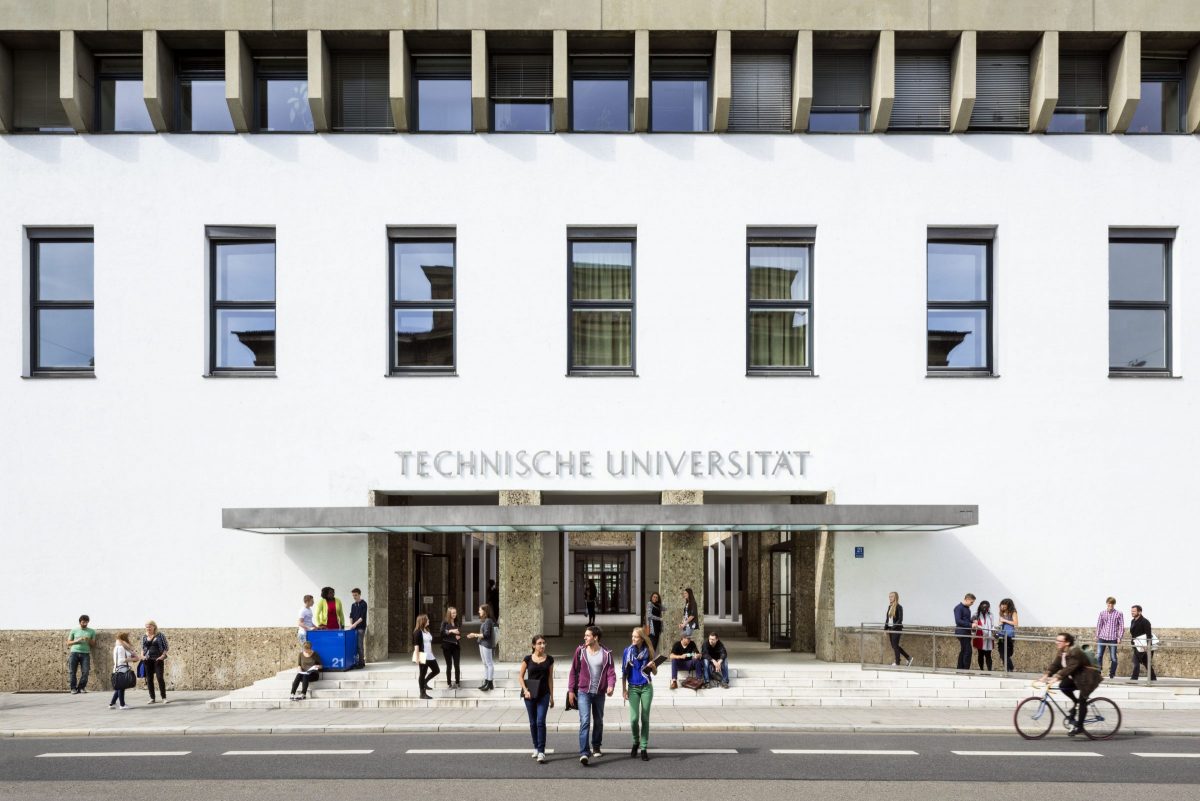
In the new TUM Center for Educational Technologies, interdisciplinary research teams from educational sciences, computer science, management, medicine, and other disciplines will investigate the effectiveness of digital tools for learning and teaching and develop new applications. The center will bring these into practice through further education and by supporting startups.
The central question that the center for digital educational technologies investigates is: Which technologies help which learners in which situations? Additionally, the researchers themselves develop digital tools. One example is “PEER,” which is based on large language models like ChatGPT. The AI tutor can analyze different text formats and suggest improvements to students – tailored to each child’s age and competency level. Another project focuses on eye-tracking, the capture of eye movements. From this, conclusions can be drawn about what learners grasp and how focused they are.
Further education and startup support
The center will also make the many tools, platforms, and further education offerings that already exist at TUM more broadly accessible to the public. For example, the Teacher Education Toolbox offers multimedia materials for teacher training in STEM subjects, the online portal Clearing House Unterricht explains the current state of research on practical questions in school teaching, and on the Artemis platform, students of data science can learn. The center will support teams that want to bring learning technologies developed at TUM to market as a startup.
Professor Thomas F. Hofmann, President of TUM, says:
“There are hardly any German universities where educational sciences, computer science, and data science are bundled together with such outstanding strength. That is why the TUM Center for Educational Technologies is also part of the federal and state excellence strategy. We want to tap into this potential and redefine learning and teaching with new technologies.”
Computer scientist and co-director Professor Enkelejda Kasneci emphasizes:
“Technologies enable us to make education much more personalized and participatory. When learners receive individual support, it can reduce their dependence on their background, prior knowledge, and the conditions of their educational institution. Not least, it can boost their motivation – because the technology is always there and always patient.”