This story was originally published on BioPharma Dive. To receive daily news and insights, subscribe to our free daily BioPharma Dive newsletter.
Dive Brief:
-
Kura Oncology is spinning out a new company that intends to develop medicines known as menin inhibitors on diabetes and other cardiometabolic diseases.
-
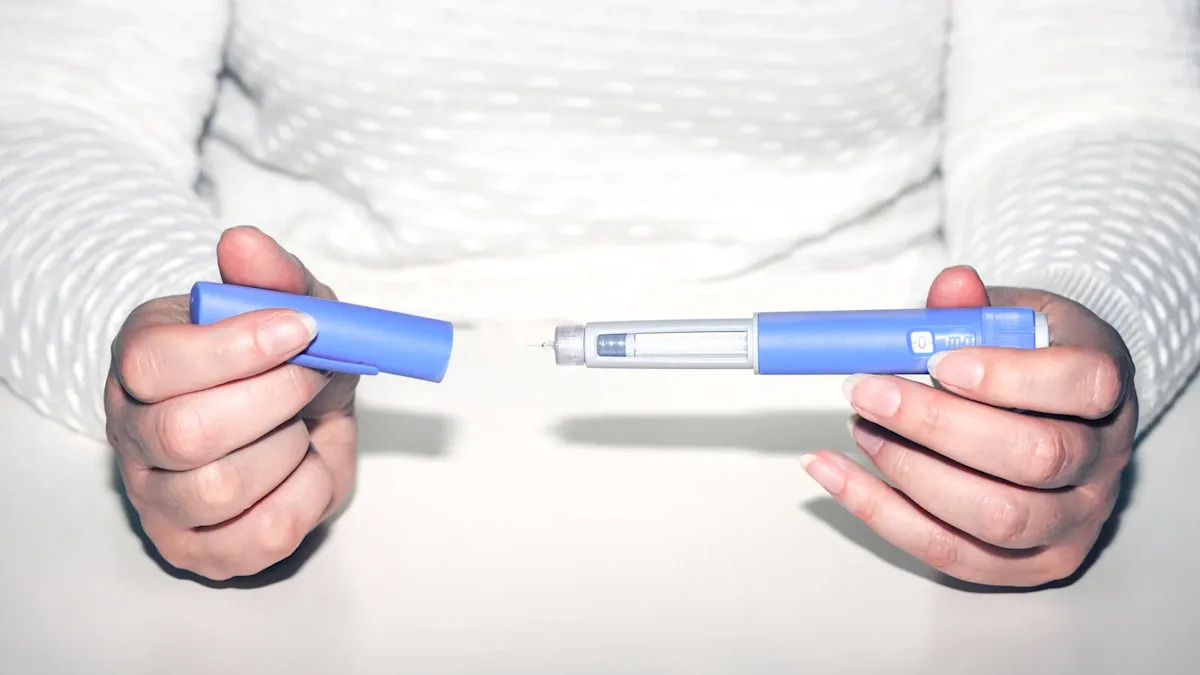
Called Caspian Therapeutics, the startup is initially focusing on a drug codenamed “KO-7246.” Preclinical testing has suggested the treatment might help the body regenerate pancreatic beta cells and produce more insulin in people with diabetes. That strategy represents a potentially new use for menin inhibitors, two of which have been approved in the U.S. to treat leukemia.
-
Caspian has raised $50 million in financing to get going. While far smaller than the $100 million-plus “megarounds” that have become commonplace in biotech, Caspian can get by with less because it shares operational teams with Kura, according to Kura CEO and Caspian executive chairman Troy Wilson. Kura participated in the funding and will retain about a 50% stake in the fledgling firm, which is also backed by BVF Partners, Eli Lilly, the T1D Fund and other investors.
Dive Insight:
Kura had already started testing menin inhibition outside of oncology before it decided to spin out Caspian. But it wasn’t until this past spring that Wilson and his team realized KO-7246 needed a separate home.
“As a company at our size and stage, you cannot be all things to all people,” Wilson said in an interview. “We needed to bring in dedicated expertise and capital. We needed to infuse it with the assets, the people and the capital to make a difference.”
Kura and another company, Syndax Pharmaceuticals, have already proven that blocking menin — a protein that controls gene expression and cell signaling — is an effective tool in treating acute myeloid leukemia. In AML, stifling an interaction between menin and another protein called KMT2A prevents leukemia cells from rapidly reproducing. Syndax’s therapy, Revuforj, was approved last October. Kura’s, called Komzifti and co-developed with Kyowa Kirin, got to market shortly afterwards. It generated nearly $15 million in sales in the first half of 2026.
In diabetes, blocking menin can “take the brakes off pancreatic beta islet cells,” which is necessary for restoring normal levels of glucose and insulin production, Wilson said. KO-7246 is being tested in both Type 1 and Type 2 diabetes.
Caspian has one direct competitor in Biomea Fusion, which is also making a menin inhibitor that’s currently in mid-stage testing. But while Biomea “has a time advantage,” Caspian’s drug could have a superior safety profile, Wilson said.