
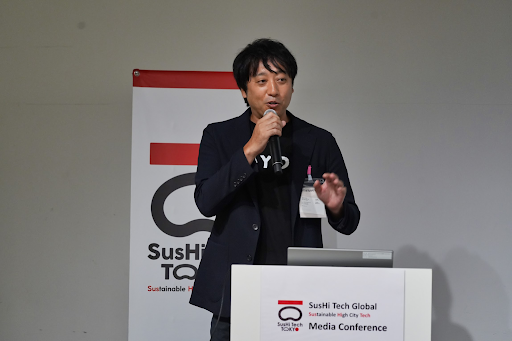
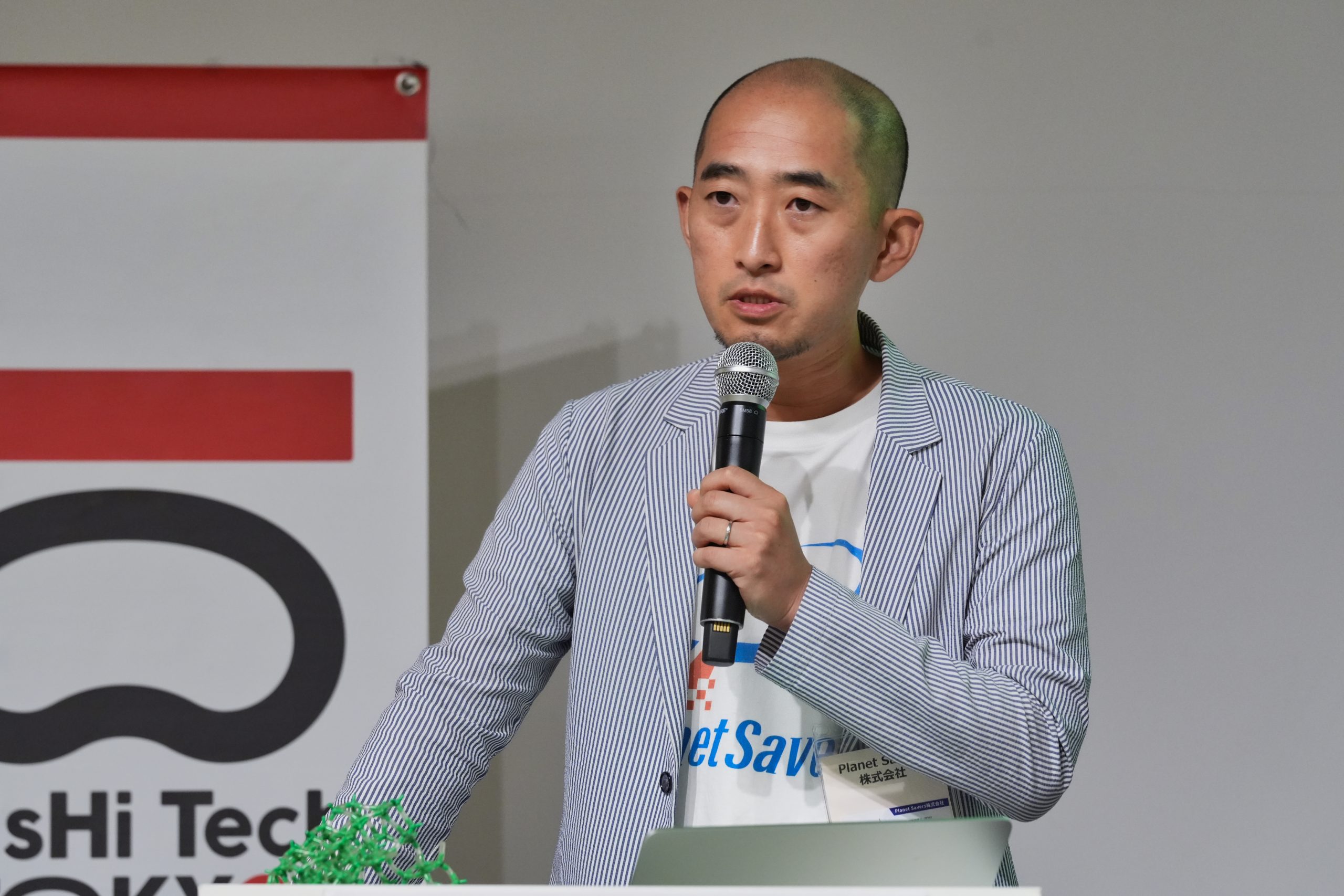
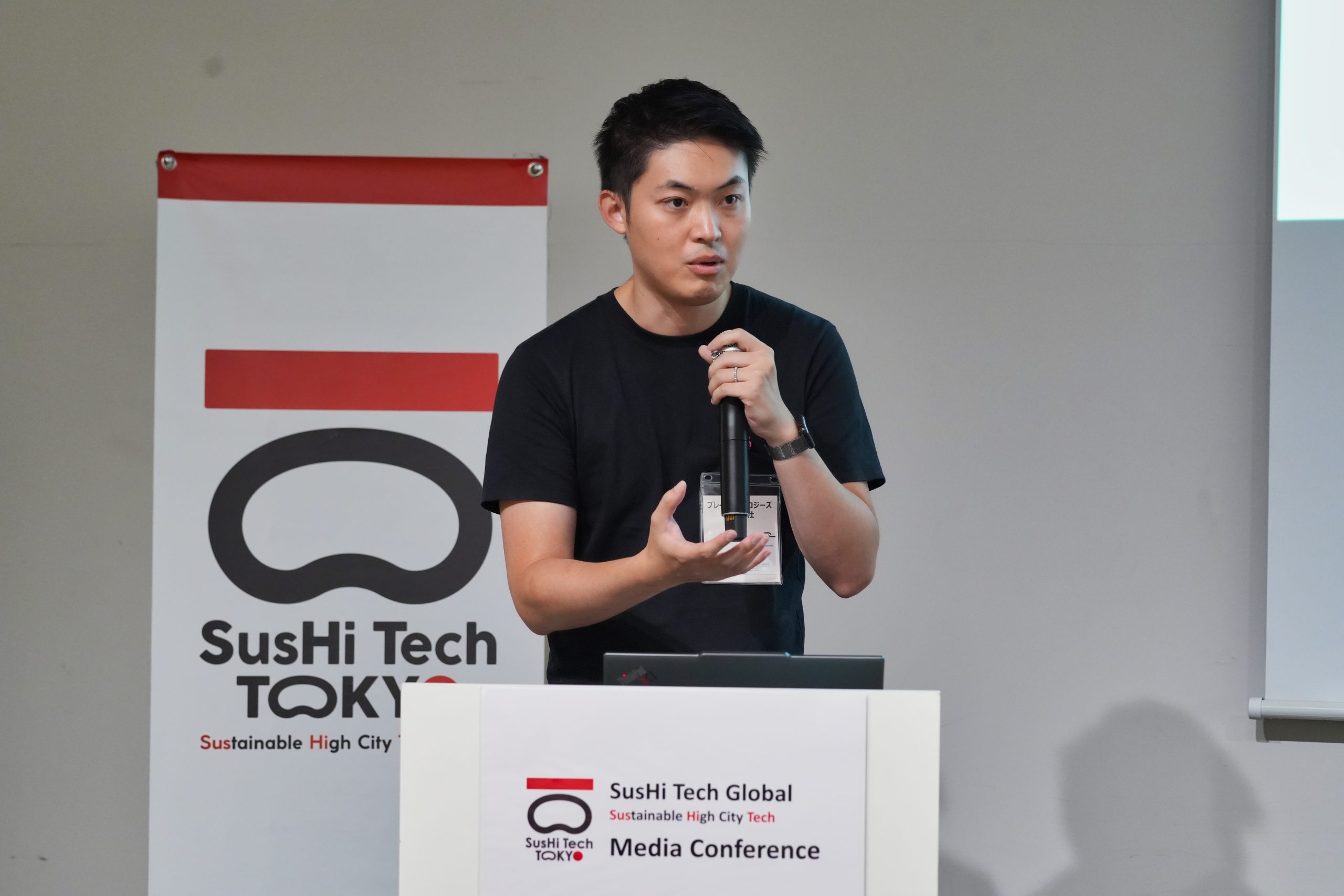
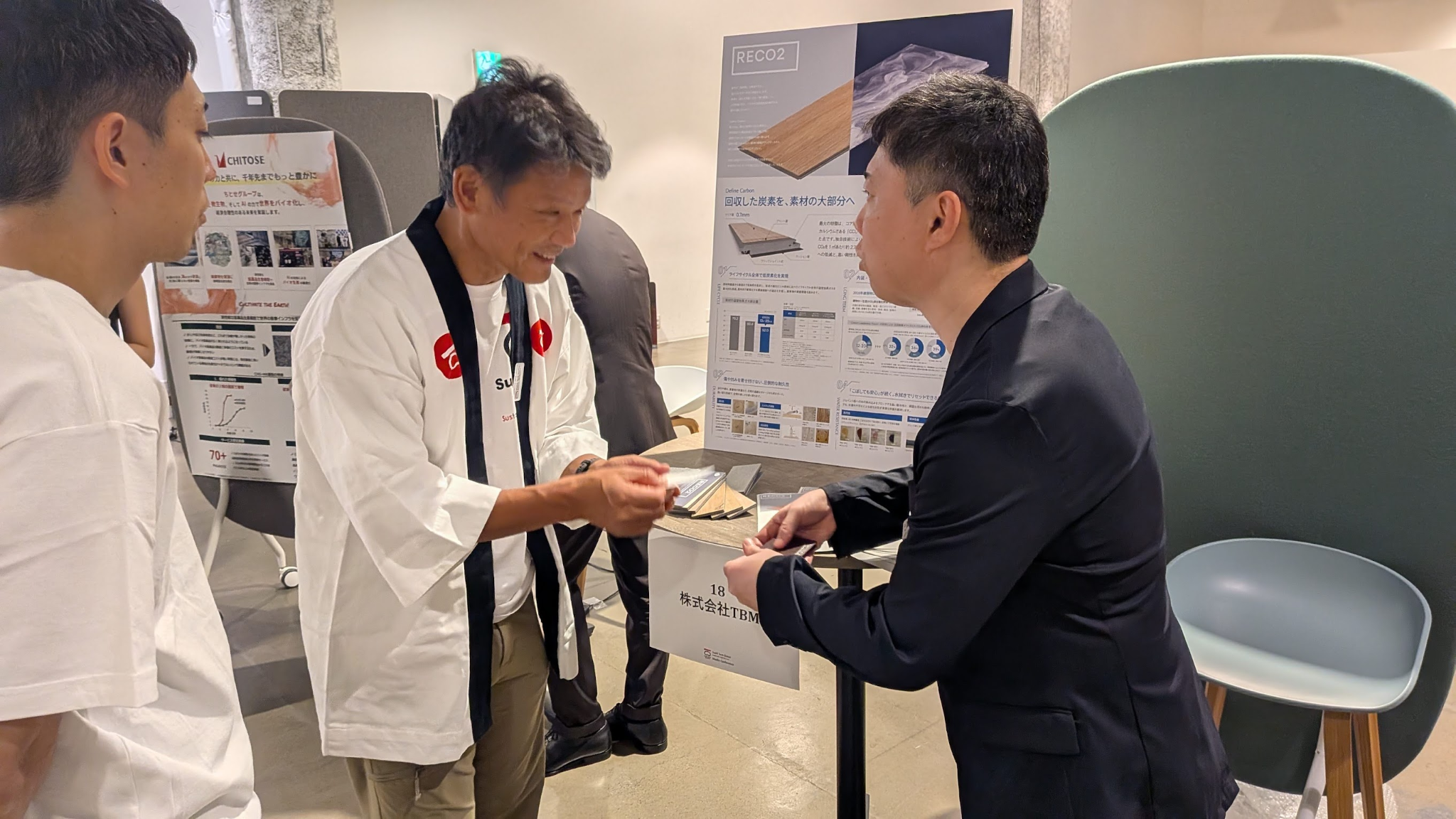
TOKYO — Ten prominent startups presented their pitches at the “SusHi Tech Global” media conference supported by the Tokyo Metropolitan Government on Sept. 3, 2026, at Tokyo Innovation Base in the city’s Yurakucho district. The companies are working to address pressing global issues, including climate change, aging infrastructure, soaring healthcare costs and national security. Below is a look at leading deep-tech and artificial intelligence ventures leveraging robust research and development foundations, including university spinoffs.
Cleantech Tackling Climate Change and Commercializing Fusion
To achieve decarbonization, Japanese technologies are gaining control of global supply chains in carbon capture, utilization, storage (CCUS), along with next-generation fusion energy.
OOYOO, a Kyoto University deep-tech spinoff based in Kyoto, has drawn international attention for dramatically lowering CO2 capture costs. Traditional capture methods require large amounts of thermal energy to release CO2, making high costs a major barrier. OOYOO solved this by establishing a system that separates and captures CO2 compactly at low cost using mechanical filtration via advanced polymer gas separation membrane technology. Joint demonstration projects with TOPPAN Holdings and Otsuka Chemical are in full swing. “We would also like to target the Singapore market,” said Shogo Otani, CEO of OOYOO. “We aim to contribute to global decarbonization with our technology.”
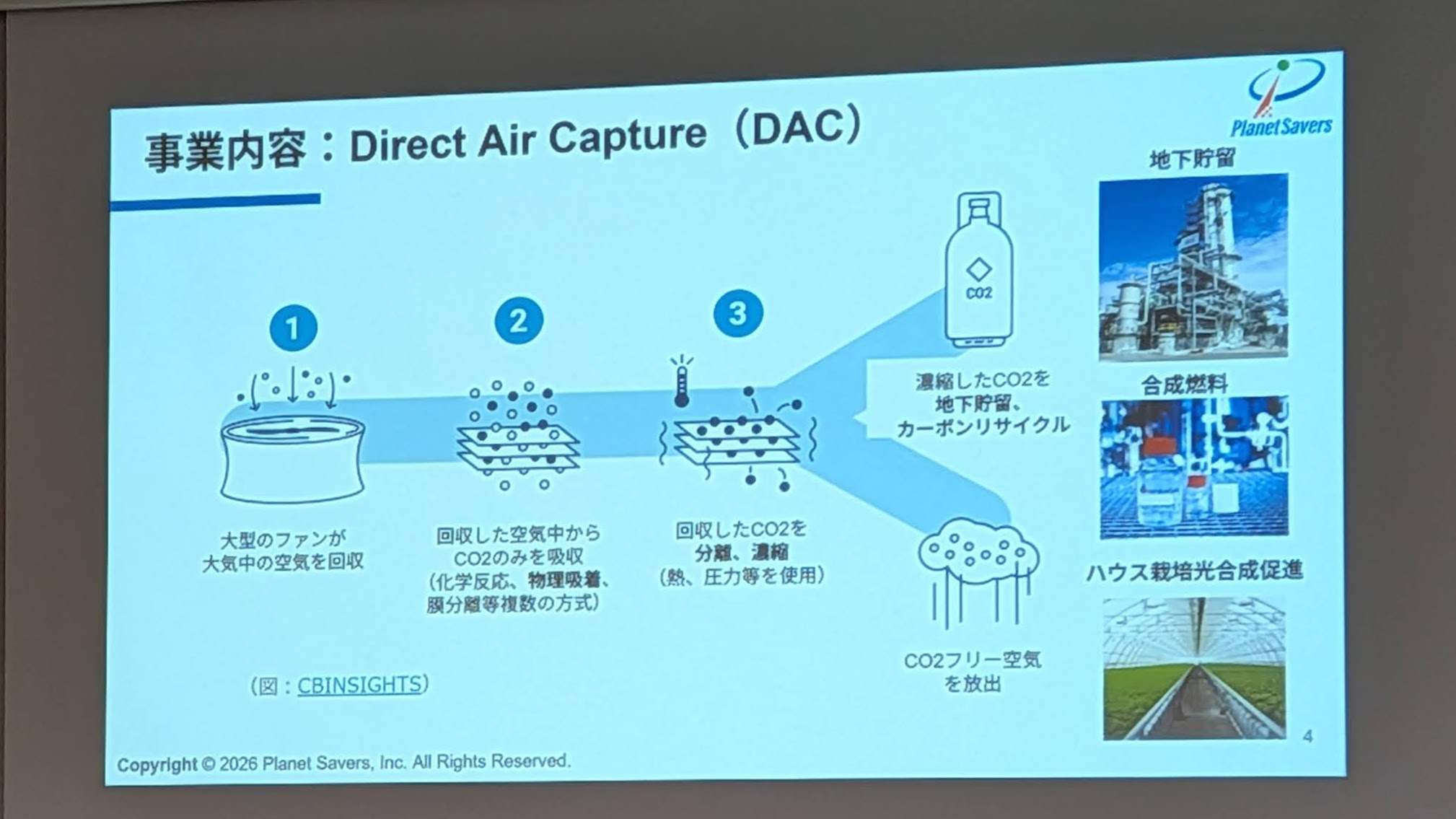
Planet Savers, a University of Tokyo spinoff based in Tokyo’s Bunkyo Ward, is working on commercializing Direct Air Capture (DAC) to remove CO2 directly from the atmosphere. The company developed a proprietary DAC device using zeolite and is operating a prototype in Tokyo Bay. “In industries where electrification is limited, such as aviation, capturing emitted CO2 directly from the atmosphere is the only option,” said Planet Savers CEO Kei Ikegami. “With the explosive adoption of AI causing a sharp increase in emissions from hyperscalers operating massive data centers, direct air capture will become a top global trend.” The company aims to capture 1 billion metric tons of CO2 annually by 2050.
Kyoto Fusioneering, a Kyoto University spinoff based in Tokyo’s Ota Ward, has established a strong presence supporting global fusion energy development from an infrastructure standpoint. Rather than building its own reactors, the company built a unique engineering model supplying advanced components such as plasma heating equipment and tritium fuel cycles required by plants worldwide. In August, the company raised an additional 25.72 billion yen in funding.
Geospatial Intelligence and Space Technologies for National Security
Amid heightened geopolitical tensions and severe natural disasters, intelligence systems that perform multilayered analysis of cyberspace and real-world data to aid optimal decision-making are growing in importance.
In this sector, Solafune, based in Chiyoda, Tokyo Prefecture, raised over 5 billion yen in Series A funding in March 2026. The company’s Planetary Intelligence OS integrates geospatial intelligence (GEOINT) gathered from space with open-source intelligence (OSINT) and signals intelligence (SIGINT). Solafune has secured ongoing contracts from Japan’s Ministry of Defense and the Cabinet Office, while expanding partnerships with overseas governments — such as those in Africa — and United Nations agencies for resource security and disaster response.
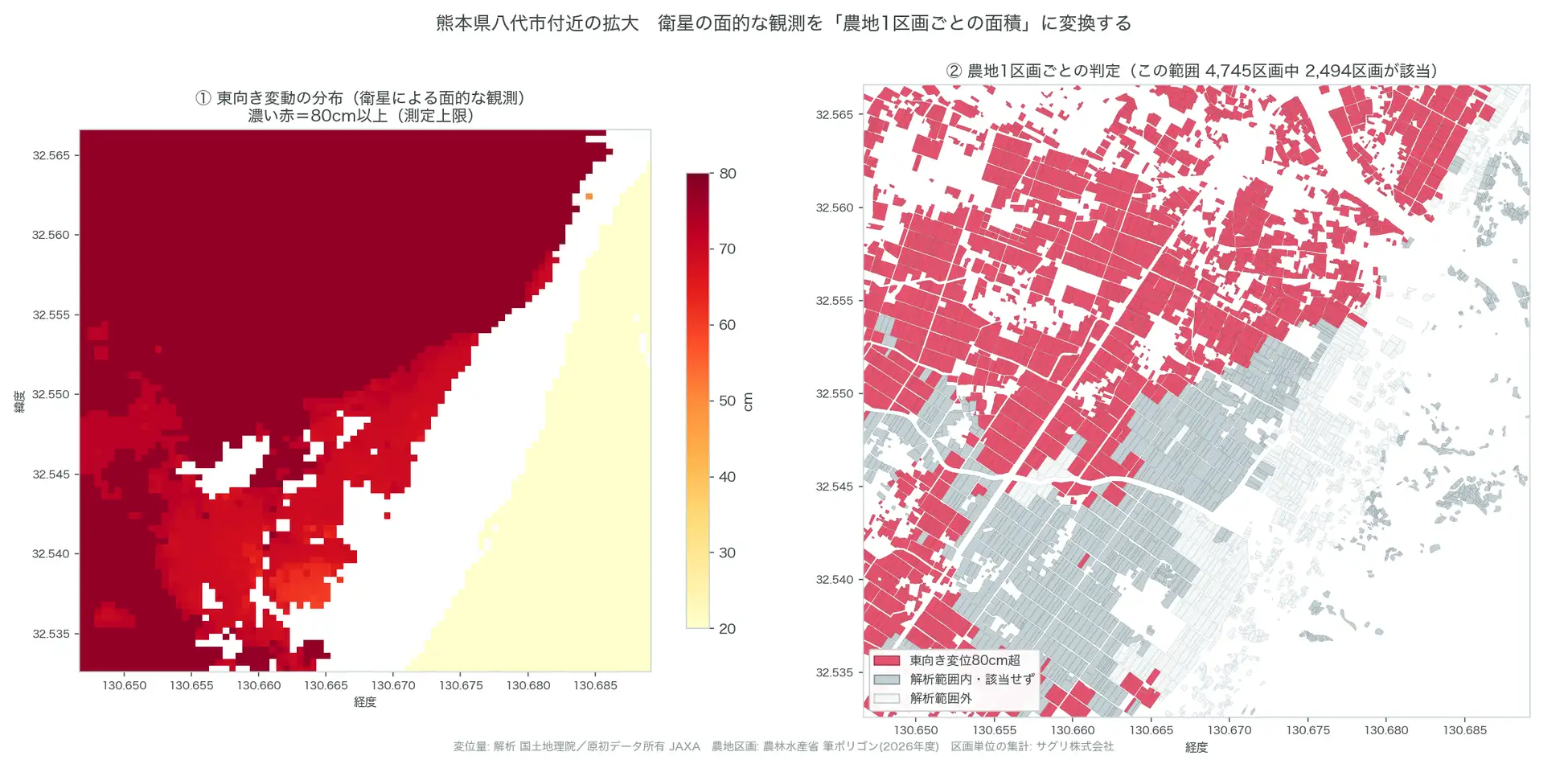
Meanwhile, Sagri, based in Tamba, Hyogo Prefecture, combines space data with AI to drive decarbonization in agriculture. The company provides applications that automatically detect abandoned farmland using satellite imagery and AI. It also supports chemical fertilizer optimization through its “Agri Insight Map,” which analyzes soil chemistry from space, allowing farmers to create and monetize carbon credits from reduced greenhouse gas emissions.
Physical AI and Hardware Design Automation for Harsh Work Sites
Generative AI applications are shifting from corporate offices to frontline operations. “Physical AI” integrates artificial intelligence into precision engineering and control technologies—longtime strengths of Japanese industry—to combat severe labor shortages.
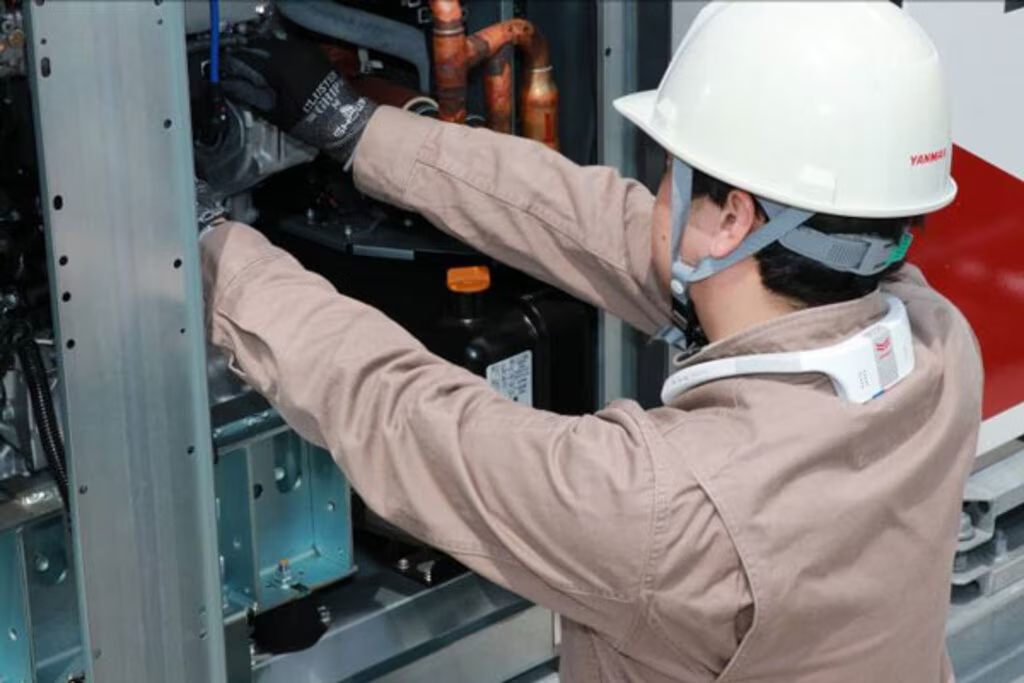
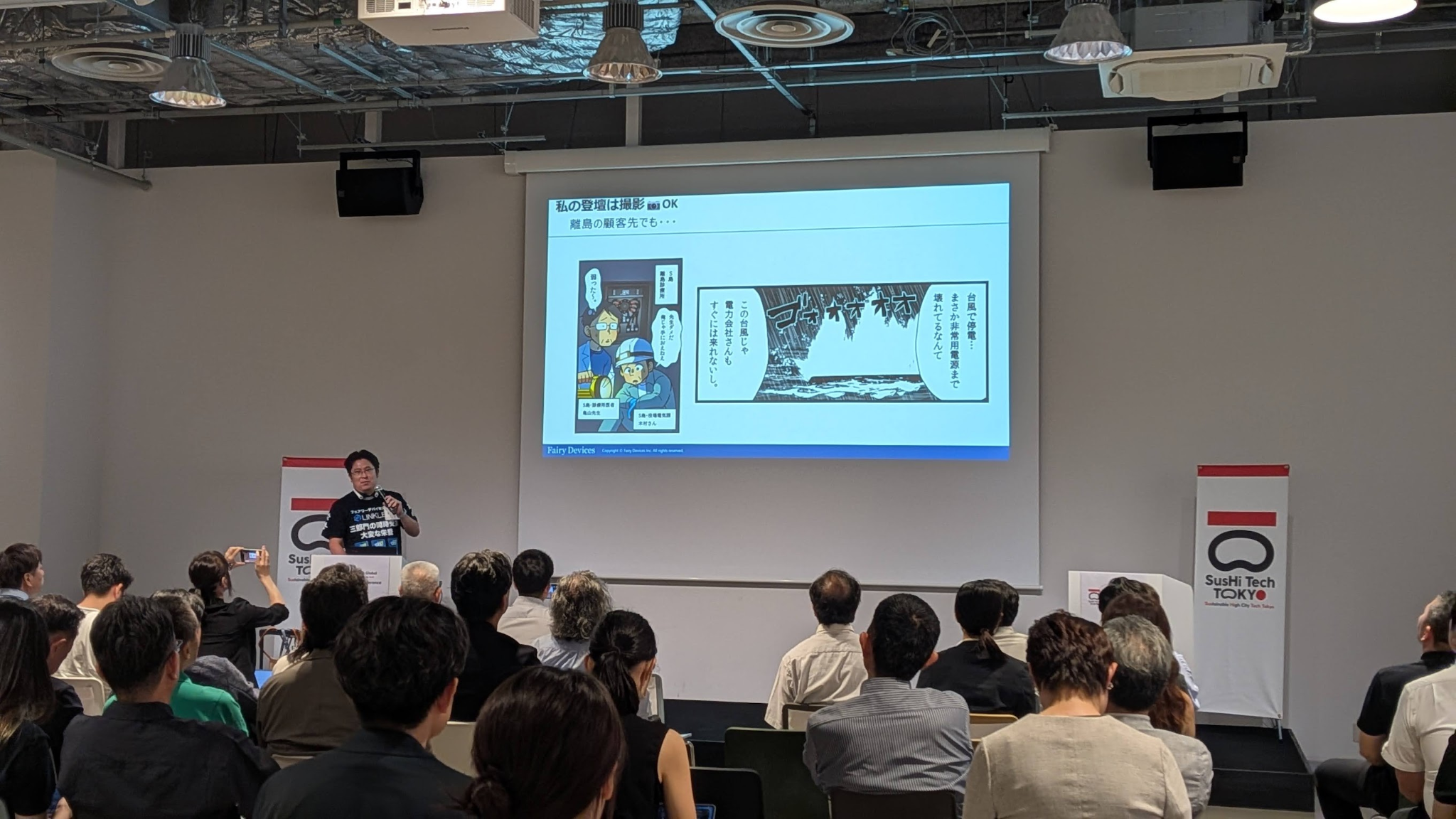
Fairy Devices, based in Tokyo’s Bunkyo Ward, develops proprietary smart devices that digitize and automate frontline tacit knowledge. Using THINKLET, a neck-worn wearable device, non-expert workers in remote locations can share line-of-sight, audio and video with off-site experts in real time. “Even at work sites in remote islands where no experts are present, workers wearing this device can share real-time information with experts without prior operational training,” said Jun Kucheii, chief operating officer at Fairy Devices, emphasizing a roadmap toward autonomy beyond simple digital transformation.
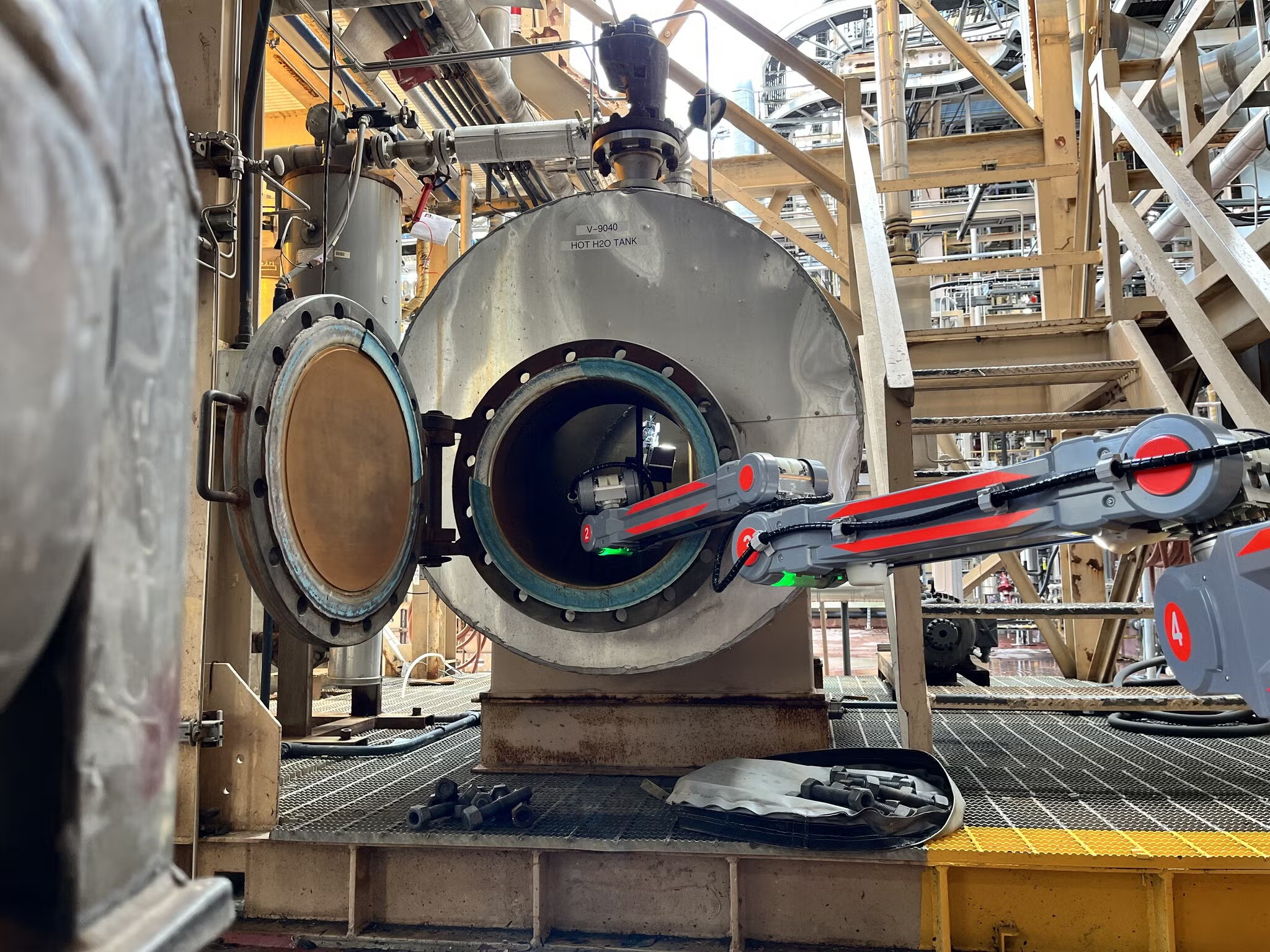
Taking a physical approach to hazardous environments, Hibot, a Tokyo Institute of Technology spinoff based in Tokyo’s Shinagawa Ward, develops “Float Arm,” a snake-like robot for autonomous inspection of narrow spaces in chemical plants. Built on control technology refined during decommissioning work at the Fukushima Daiichi nuclear plant, the robot integrates with “HiBox,” an AI predictive maintenance platform. The system has reduced boiler inspection times from five or six days—previously required for scaffolding assembly and safety checks—to just one day, freeing humans from dangerous tasks while boosting plant operating efficiency.
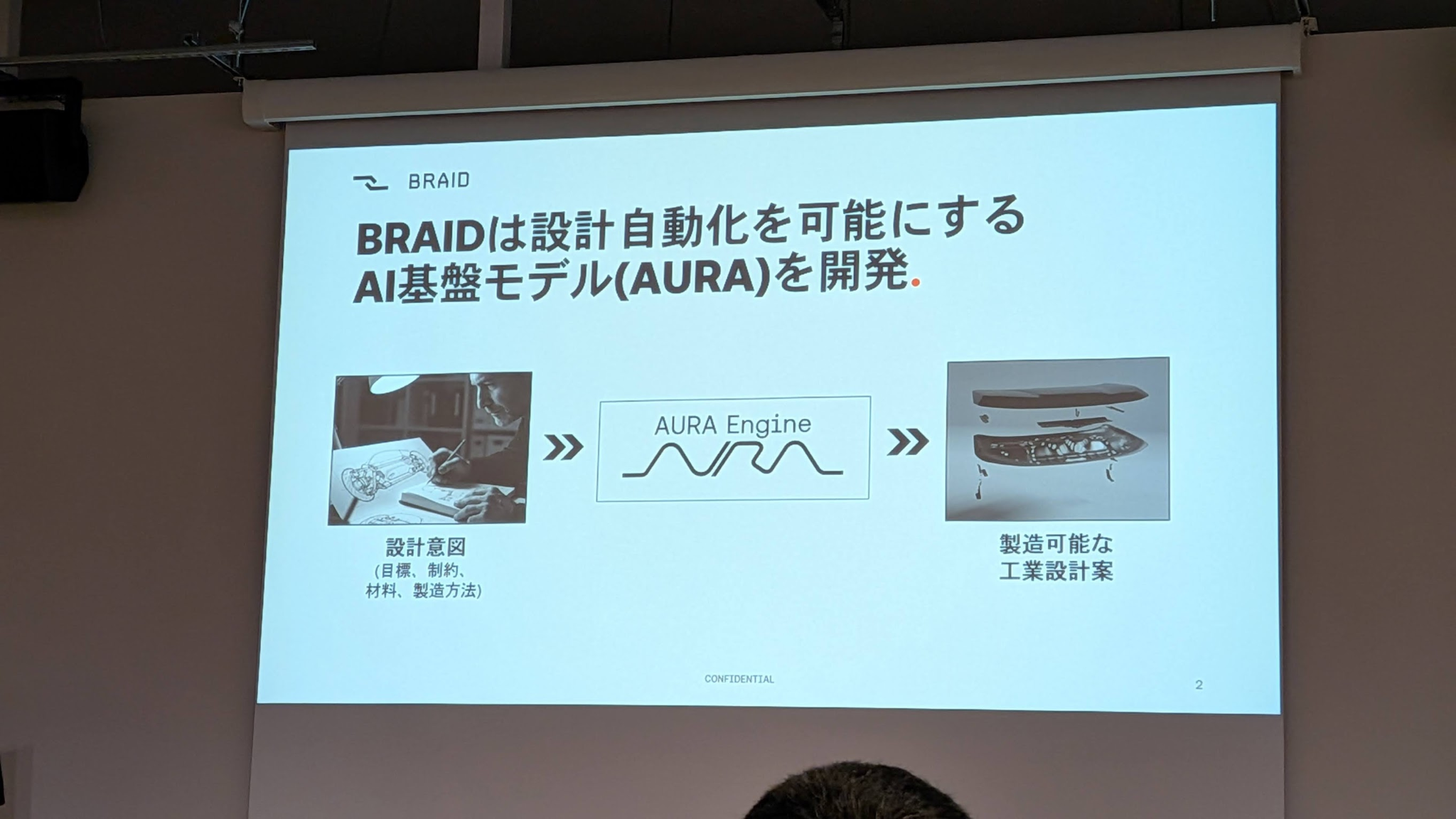
Braid Technologies, based in Tokyo’s Shibuya Ward, developed a proprietary foundation model that uses generative AI to accelerate complex hardware design processes. “We are developing a foundation model where AI automatically generates shapes based on a user’s stated intent,” said Hexi Shen, head of business development at Braid Technologies. “This simplifies and speeds up complex processes, such as sudden design changes required when switching to recycled plastics, helping resolve manufacturing challenges caused by a shortage of veteran designers.”
Life Sciences and Informatics Opening Hyper-Personalized Medicine
The market for precision medicine—analyzing individual biological data with AI for early detection and personalized treatment—is expanding rapidly.
Craif, a Nagoya University spinoff based in Tokyo’s Shinjuku Ward, is a leading bio-AI player backed by global funding and technological capabilities. In August, the company raised 5.3 billion yen in a Series D funding round, bringing its total raised to 14.2 billion yen. Using its proprietary nanowire device, “NANO IP,” Craif efficiently captures microRNA from urine or saliva. AI analysis of this data enables early detection of hard-to-spot conditions like pancreatic cancer. “Having experienced cancer myself, I feel a mission to deliver this technology to society,” said Shoichiro Sano, PR manager at Craif. “Based on the world’s largest dataset derived from urine, we are launching a comprehensive urine analysis platform in Japan and the U.S. to detect various diseases early.”
Xcoo, a University of Tokyo spinoff based in Tokyo’s Bunkyo Ward, supports clinical decision-making through advanced medical informatics. The company offers “Chrovis,” software that provides comprehensive support for cancer genomic medicine by rapidly analyzing genetic data output from next-generation sequencers and matching it with global literature and clinical trial information. Then, “chrovis” automatically generates reports on optimal treatment strategies and potential clinical trial candidates. Developed through joint research with Kyoto University Hospital, its “RAD System” reduces the workload for physician expert panels.
Geopolitical Risks and High Expectations for Japanese Deep Tech
Amid rising geopolitical risks, international recognition of Japanese deep-tech intellectual property is growing as a trusted source for technology supply chains. Whether Japan can convert its scientific strengths into sustainable businesses and lead the resolution of global challenges remains the ultimate test for its innovation ecosystem.
Source link