Startup Gallatin AI has completed a $50 million Series A funding round, with participation from venture capital firms 8VC and Silent Ventures, prominent investors in the defense technology sector.
According to a report by Axios, company CEO Woody Glier noted that most logistics data generated today is recorded very manually. The California-based firm does not build unmanned aerial vehicles or conventional combat hardware, focusing its efforts instead on digitizing, modernizing, and streamlining the practical complexities of military logistics and field maintenance. He stated that the information is extremely messy and essentially handled using clipboards, pen, and paper.
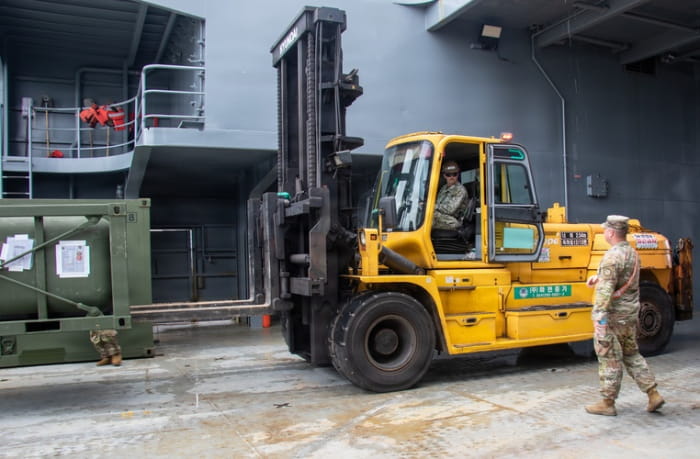
The situation underscores the urgent need for advanced technological solutions, as the Pentagon designates contested logistics as a top-priority critical technology area. This encompasses the complex operational challenge of delivering ammunition, blood supplies, fuel, rations, and other equipment to exact destinations, particularly while military forces are under direct enemy fire. Alongside contested logistics, the Pentagon has prioritized critical areas such as biomanufacturing and hypersonic weapons.
The company’s flagship tool is Navigator, an artificial intelligence-driven platform providing maintenance insights and assisting in planning supply distribution efficiently and accurately. The tool is currently in active use across various U.S. Army units deployed worldwide. Over the summer, the startup announced a deal with the III Armored Corps based at Fort Hood, though the financial terms were not publicly disclosed.
Glier explained that the company has built capabilities that are ahead of where the current conversation is, noting that even if a military operates 1,000 or 10,000 autonomous assets, the core question remains: what goes into them, who pulls supplies off the shelves, and who stages cargo on the runway or loads it onto a ship.
Gallatin officially emerged from stealth mode early last year and has raised a total of $70 million since inception, all in equity. Glier remarked that building a defense tech company is not for the faint of heart, adding that the firm aims to continue attracting top talent to address these complex problems amid growing investor interest in software-based combat support solutions.