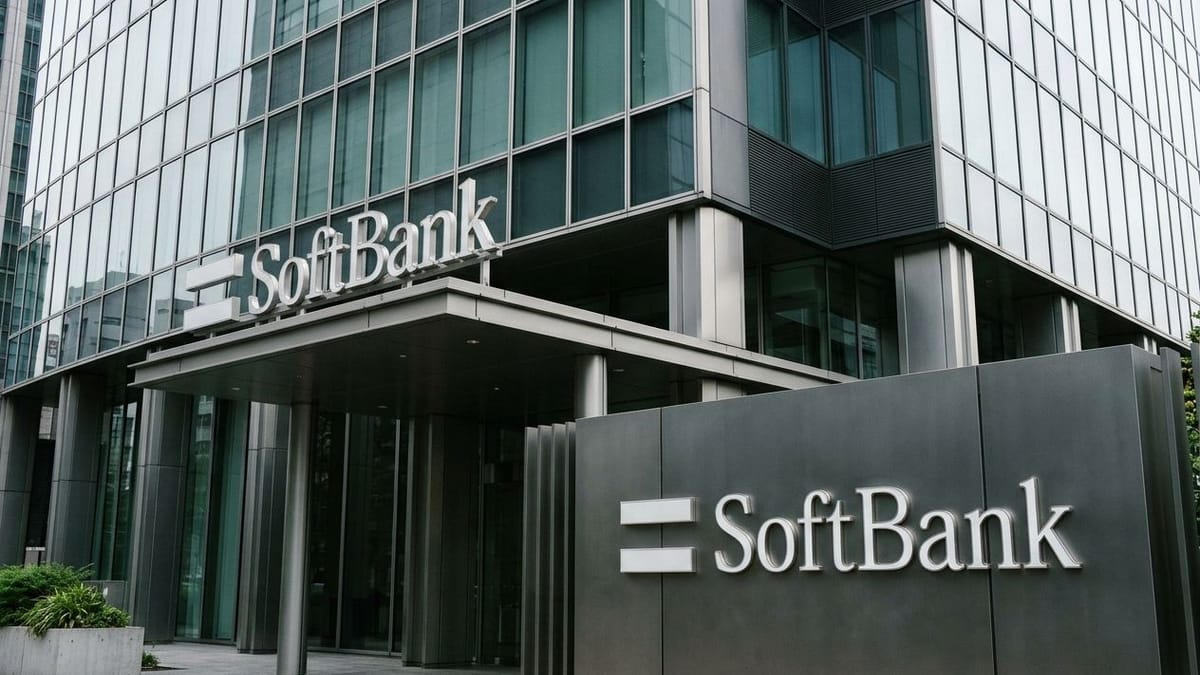
SoftBank Group just posted a staggering $7 billion net loss for its fiscal second quarter ending September 2026, marking a dramatic reversal as the tech selloff tears through its sprawling investment portfolio. The Japanese conglomerate’s results for the period ending March 31, 2027 underscore how quickly market sentiment has soured on high-growth tech bets that fueled SoftBank’s aggressive dealmaking over the past few years. The loss comes as AI investment appetite faces its biggest test and venture portfolios across the industry face mounting pressure.
SoftBank Group is reeling from a brutal quarter that saw its net income crater into a $7 billion loss, a stark reminder that even the world’s most aggressive tech investor isn’t immune to market gravity. The fiscal second-quarter results for the year ending March 31, 2027 represent one of the conglomerate’s worst performances in recent memory, driven almost entirely by the cascading valuations of portfolio companies caught in the tech sector’s downdraft.
The timing couldn’t be worse for founder and CEO Masayoshi Son, whose Vision Fund has become synonymous with massive, high-conviction bets on transformative technology companies. That strategy worked brilliantly during the pandemic-era boom when companies like Meta were crushing earnings and tech valuations seemed to only move in one direction. But the current market is a different beast entirely, with investors demanding profitability over growth and scrutinizing AI spending with newfound skepticism.
SoftBank’s Vision Fund, which manages roughly $100 billion across its various iterations, has exposure to hundreds of private companies spanning AI, fintech, logistics, and enterprise software. When public market comparables tumble, private valuations inevitably follow. The fund’s portfolio includes stakes in everything from autonomous vehicle companies to enterprise SaaS platforms, many of which raised capital at sky-high valuations that now look increasingly difficult to justify.
The $7 billion loss stands in sharp contrast to the profits SoftBank posted in previous quarters when tech stocks were riding high. It’s a swing that reflects not just paper losses on existing holdings, but the broader repricing happening across venture capital. Investment appetite is cooling rapidly, with even marquee names struggling to command the valuations they once did.
What makes SoftBank’s position particularly precarious is its leverage. The company has historically used borrowed money to amplify its investment returns, a strategy that works wonderfully on the way up but compounds losses on the way down. With interest rates elevated and credit markets tightening, that leverage becomes a liability rather than an asset. The company’s stock price, traded on the Tokyo Stock Exchange, has been under pressure for months as investors price in exactly this kind of outcome.
The tech selloff hitting SoftBank’s portfolio isn’t happening in isolation. Major chipmakers like Qualcomm are missing guidance despite beating earnings, while e-commerce platforms like Shopify are tumbling on revenue misses. The entire ecosystem that SoftBank bet on is facing simultaneous pressure from slowing growth, rising costs, and investor skepticism about AI returns.
Son has weathered storms before. The Vision Fund posted a record $23 billion loss in fiscal 2022 during the previous tech downturn, only to bounce back as markets recovered. But this cycle feels different. The fundamental questions about AI monetization, enterprise software growth rates, and consumer tech adoption are more persistent. Corporate AI investments are finally showing returns at some companies, but not fast enough or broadly enough to justify the valuations many SoftBank portfolio companies are carrying.
The Japanese conglomerate also faces pressure from activist investors who’ve long questioned the Vision Fund’s strategy and governance. Critics argue that Son’s approach of writing massive checks with minimal oversight has led to poor capital allocation and conflicts of interest. The $7 billion loss will only amplify those voices and potentially force changes to how SoftBank deploys capital going forward.
Looking at the portfolio composition, SoftBank’s pain points are clear. Late-stage private companies that were valued at peak multiples now face down rounds or flat valuations. Public holdings in companies that went public via SPAC or traditional IPO during the boom years are underwater. Even the AI investments that were supposed to be SoftBank’s next big win are facing scrutiny as the market demands proof of sustainable business models.
The loss also comes as new leadership at major tech companies faces earnings tests, adding another layer of uncertainty to the ecosystem. When even Apple and Microsoft are navigating choppy waters, smaller portfolio companies in SoftBank’s stable face exponentially tougher challenges.
SoftBank’s $7 billion quarterly loss is more than just a bad earnings report. It’s a stark illustration of how quickly the venture capital playbook can flip from genius to cautionary tale when market conditions shift. For investors watching the tech sector, SoftBank’s results serve as a leading indicator of the pain still working through private market valuations. The question now isn’t whether Son can weather this storm, but whether the fundamental investment thesis behind mega-funds and aggressive growth bets still holds in an era of higher rates and investor skepticism. What happens next at SoftBank will likely determine the fate of dozens of portfolio companies and set the tone for how venture capital operates in the years ahead.