Moment Energy just closed a $40 million Series A to tackle what CEO Edward Chiang calls “infinite demand for power” – by giving retired electric vehicle batteries a second life as grid-scale energy storage. The Vancouver-based startup has carved out a unique position in the circular economy, repurposing EV battery packs that still have 70-80% capacity left but are no longer suitable for vehicles. As AI data centers and electrification strain power grids worldwide, Moment’s approach offers a faster, cheaper alternative to mining new materials for energy storage.
Moment Energy is betting big that the solution to the world’s growing energy storage crisis is already sitting in scrapyards. The Vancouver startup just secured $40 million in Series A funding to scale its business of turning retired electric vehicle batteries into grid-scale storage systems – a model that sidesteps the expensive, environmentally-taxing process of mining lithium, cobalt, and other battery materials from scratch.
“We’re seeing infinite demand for power,” CEO Edward Chiang told TechCrunch in an exclusive interview. The comment reflects a broader infrastructure crunch as AI data centers, electric vehicle charging networks, and renewable energy installations all compete for limited grid capacity. While companies like Nvidia and Microsoft scramble to secure power for their AI ambitions, Moment Energy is addressing the supply side with an unconventional source.
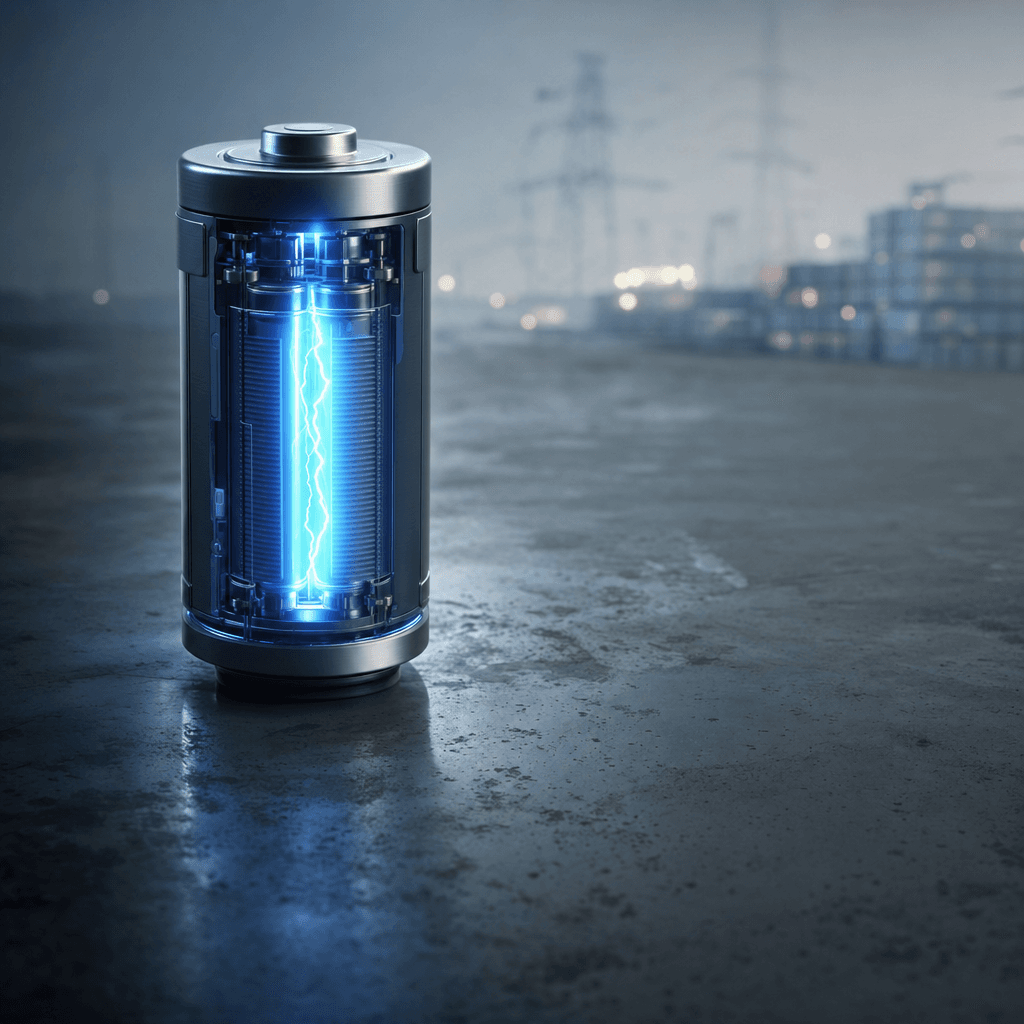
The company’s core insight is deceptively simple: when an EV battery degrades to 70-80% of its original capacity, it’s no longer ideal for powering a car that needs quick acceleration and long range. But that same battery pack is perfectly suited for stationary energy storage, where weight doesn’t matter and gradual discharge is actually beneficial. Rather than recycling these batteries down to raw materials – an energy-intensive process – Moment Energy refurbishes and repackages them into battery energy storage systems (BESS) that can store renewable energy or provide backup power.
The timing couldn’t be better. Grid operators across North America are desperate for storage capacity as intermittent solar and wind sources replace coal and gas plants. According to industry data, the BESS market is projected to grow from $5.1 billion in 2025 to over $15 billion by 2030, driven by renewable energy mandates and grid reliability concerns. Moment Energy’s approach offers a faster deployment timeline and lower upfront costs compared to building new battery systems from scratch.
Chiang says the company has developed proprietary testing and integration technology that can quickly assess battery health, match compatible packs, and integrate them into containerized storage units. This “spin” on traditional battery repurposing – referenced in Chiang’s comments to TechCrunch – appears to involve automation and standardization that previous second-life battery efforts lacked. Earlier attempts by automakers and recyclers struggled with the labor-intensive process of testing individual cells and managing inconsistent battery chemistries across different vehicle models.
The $40 million round positions Moment Energy to move from pilot projects to commercial-scale deployments. While the company hasn’t disclosed which investors led the round, the funding level suggests participation from both cleantech-focused venture firms and strategic investors with ties to the energy or automotive sectors. Series A rounds of this size in the battery storage space have become increasingly common as institutional investors recognize the sector’s growth trajectory.
Moment Energy faces competition from both traditional battery manufacturers building new storage systems and other second-life battery startups emerging globally. However, the sheer volume of EVs hitting the road – and eventually retirement – creates room for multiple players. Tesla alone has sold over 6 million vehicles globally, and battery packs typically last 8-15 years before degrading below optimal vehicle performance. That creates a growing feedstock of potential batteries for repurposing.
The regulatory environment is also shifting in Moment’s favor. Extended producer responsibility laws in Europe and North America increasingly require automakers to manage end-of-life batteries, creating incentives for second-life applications before final recycling. This aligns automaker interests with companies like Moment Energy that can take battery packs off their hands while extracting remaining value.
What sets this funding announcement apart is the stark contrast between Moment’s circular economy model and the massive capital investments being poured into new battery production. While Tesla and Panasonic build multi-billion dollar gigafactories, Moment Energy is essentially arbitraging the gap between a battery’s vehicle lifespan and its total useful life. It’s a fundamentally different approach to scaling energy storage – one that could prove more capital-efficient if the technology and supply chain economics work at scale.
The company will need to navigate complex logistics of sourcing batteries from multiple automakers, each with different pack designs and degradation profiles. Building standardized products from non-standardized inputs remains the core operational challenge. But with utilities and commercial customers increasingly willing to try alternative storage solutions as traditional options face supply constraints and long lead times, Moment Energy has found its market opening.
Moment Energy’s $40 million raise signals growing investor confidence that the energy storage bottleneck has a circular economy solution. As the first wave of mass-market EVs approaches retirement age while AI and electrification push power demand to record levels, the startup’s model of extracting maximum value from existing batteries before recycling addresses both supply and sustainability challenges. The real test will be execution – whether Moment can build the operational systems to source, test, and deploy thousands of battery packs with the consistency and reliability that grid operators demand. If they pull it off, the company could establish the template for how the industry handles millions of retired EV batteries over the next decade.