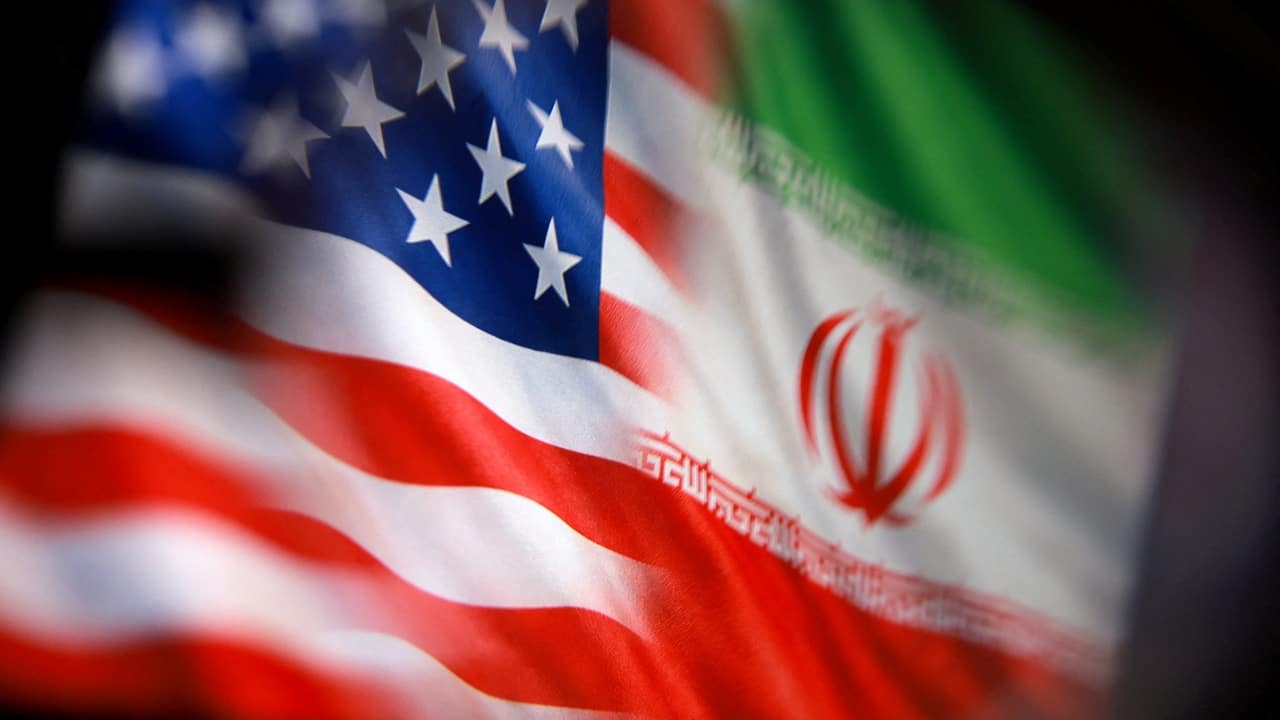
A proposed peace framework being discussed between the United States and Iran reportedly includes a massive $300 billion reconstruction and investment package aimed at rebuilding Iran’s economy and infrastructure after months of conflict, according to a report by The New York Times.
The proposal, described by the newspaper as an international “investment fund”, has emerged as one of the most significant economic components of the broader negotiations currently underway to end the war that has destabilised large parts of West Asia since February.
According to The New York Times, the proposed fund would be facilitated by the United States as part of a final settlement package and is designed to support reconstruction efforts across Iran following extensive damage caused during the conflict. The report said the plan is being discussed alongside negotiations over sanctions, maritime security, nuclear issues and regional military de-escalation.
The reported reconstruction package comes at a time when Iran has been demanding what it describes as “reparations” for war-related destruction as part of any long-term agreement with Washington.
Iranian officials have repeatedly argued that any final peace arrangement must address the economic and infrastructural damage suffered during months of military confrontation involving US and Israeli strikes.
According to The New York Times, discussions surrounding the reconstruction programme are being framed less as direct compensation and more as a large-scale international investment mechanism that could inject capital into Iran’s economy while helping stabilise the country after the conflict.
The proposal reflects growing recognition among negotiators that economic recovery may become central to sustaining any long-term ceasefire.
Iran’s economy has been battered not only by the war but also by years of sanctions, financial isolation and disruptions to energy exports.
The New York Times reported that the investment package forms part of a broader diplomatic roadmap currently being explored between Tehran and Washington.
The wider framework reportedly includes discussions over reopening commercial shipping through the Strait of Hormuz, easing regional tensions and establishing mechanisms to prevent renewed military escalation.
The Strait of Hormuz remains one of the most sensitive issues in the negotiations.
Iran has repeatedly sought a larger role in managing maritime traffic through the strategic waterway, which carries a significant share of global oil and liquefied natural gas supplies.
Previous reports linked to the negotiations have suggested discussions involving maritime security arrangements, shipping coordination with Oman and potential mechanisms to ensure uninterrupted commercial traffic through the Gulf.
The New York Times also reported that nuclear issues remain part of the broader diplomatic agenda, though some of the most difficult questions appear to have been deferred to later phases of negotiations.
These include disputes over Iran’s stockpile of highly enriched uranium, future enrichment activities and the structure of long-term monitoring arrangements.
The issue remains one of the biggest sticking points between the two sides.
US President Donald Trump has repeatedly insisted that Iran must never acquire a nuclear weapon and recently ruled out granting sanctions relief in exchange for Tehran simply giving up its highly enriched uranium stockpile.
Iran, meanwhile, has maintained that any commitments regarding its nuclear programme would require tangible verification of American actions before implementation.
The New York Times report suggests the reconstruction fund is also intended to provide political incentives for both sides to move forward with a broader settlement despite continuing mistrust.
Negotiations remain highly sensitive and no final agreement has been announced.
Officials on both sides have publicly sent mixed signals in recent days.
While Iranian media outlets have reported progress on draft understandings, the White House has dismissed some reports of a near-final deal as a “complete fabrication”.
At the same time, US officials have continued to say discussions with Tehran are ongoing.
If implemented, the proposed $300 billion investment and reconstruction programme would rank among the largest economic recovery packages ever discussed in connection with a modern Middle East conflict.