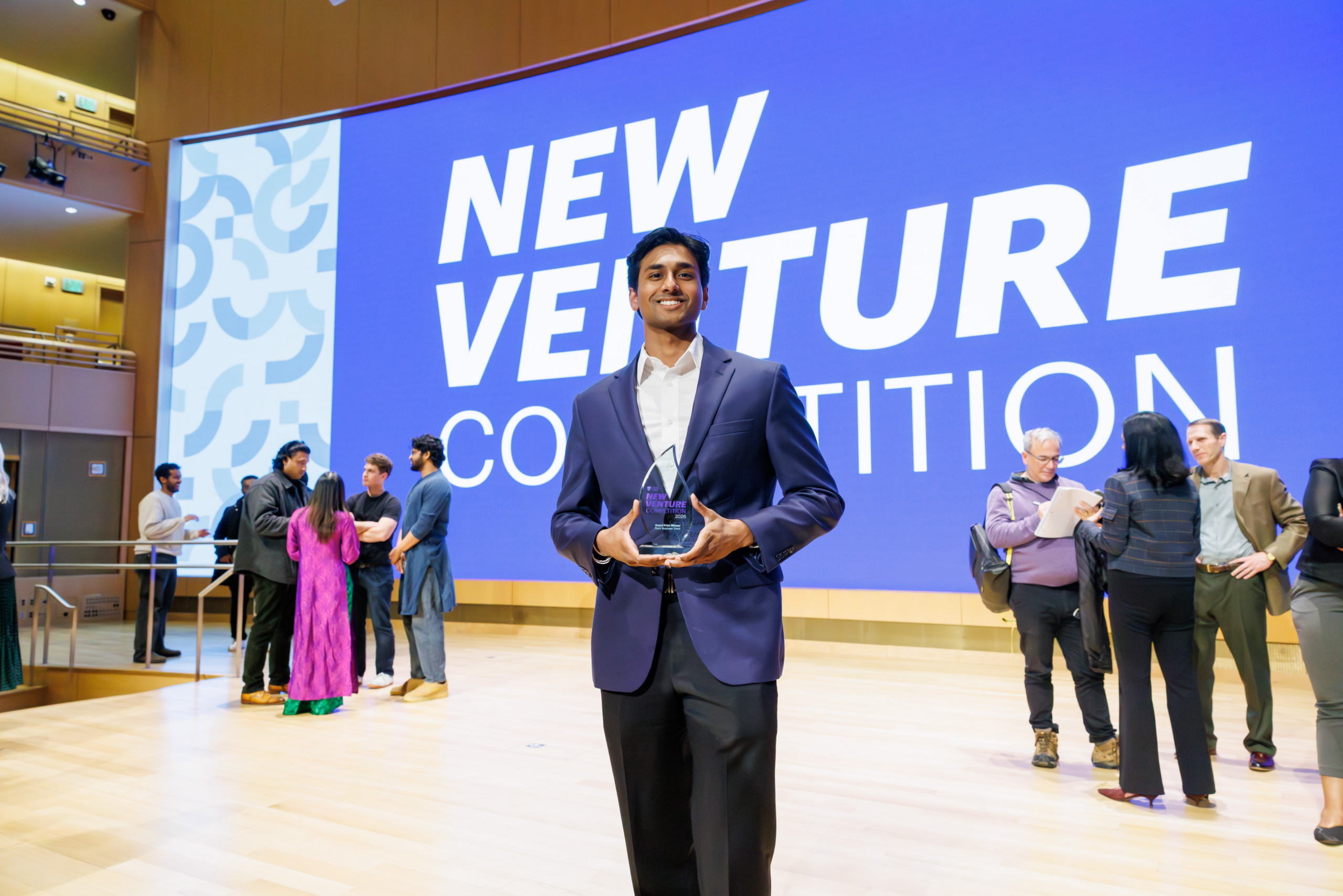
Blending engineering, emergency medicine, and clinical training, Goutam Gadiraju is building solutions to improve patient experience after surgery. As a HBS MD/MBA candidate and co-founder of Serosafe Surgical, he recently led the team to a win at the HBS New Venture Competition, earning $75K in non-dilutive funding. Here, he shares the story behind Serosafe and the lessons learned bringing a medical device from idea to clinical trial.
What experiences led you to pursue both medicine and medical device innovation?
I originally started college at UNC-Chapel Hill planning to study biomedical engineering. I’d always enjoyed the creativity and problem-solving involved in 3D-design and physics, and I found biotech and medical devices to be an incredibly meaningful space to work within. Coming from a family of several nurses and physicians, I’d always had deep respect for the field – but for the longest time, becoming a physician myself had always been more of a background thought than a concrete plan.
What changed that trajectory was wanting to experience being a health care provider before committing to it. That led me to seek out emergency first aid training and, eventually, to becoming a volunteer EMT in my county. After my first few shifts in the 9-1-1 system, I was hooked. Early on, I found that being able to care for people in critical moments was one of the most meaningful ways that I could contribute.
Pursuing engineering and medicine simultaneously became incredibly formative. I began to see real disconnects between the problems health care providers faced and how engineers went about solving them. That gap is ultimately what drew me toward medicine and device innovation, rather than having to choose between the two. I began to realize that I was uniquely positioned to apply perspectives as a health care provider and as an engineer to solving problems in medicine and advancing patient care – once I got to HMS and learned about post-operative surgical drains, I had the first opportunity to see what that approach could look like.
How did your experience in medical school lead to the founding of Serosafe Surgical?
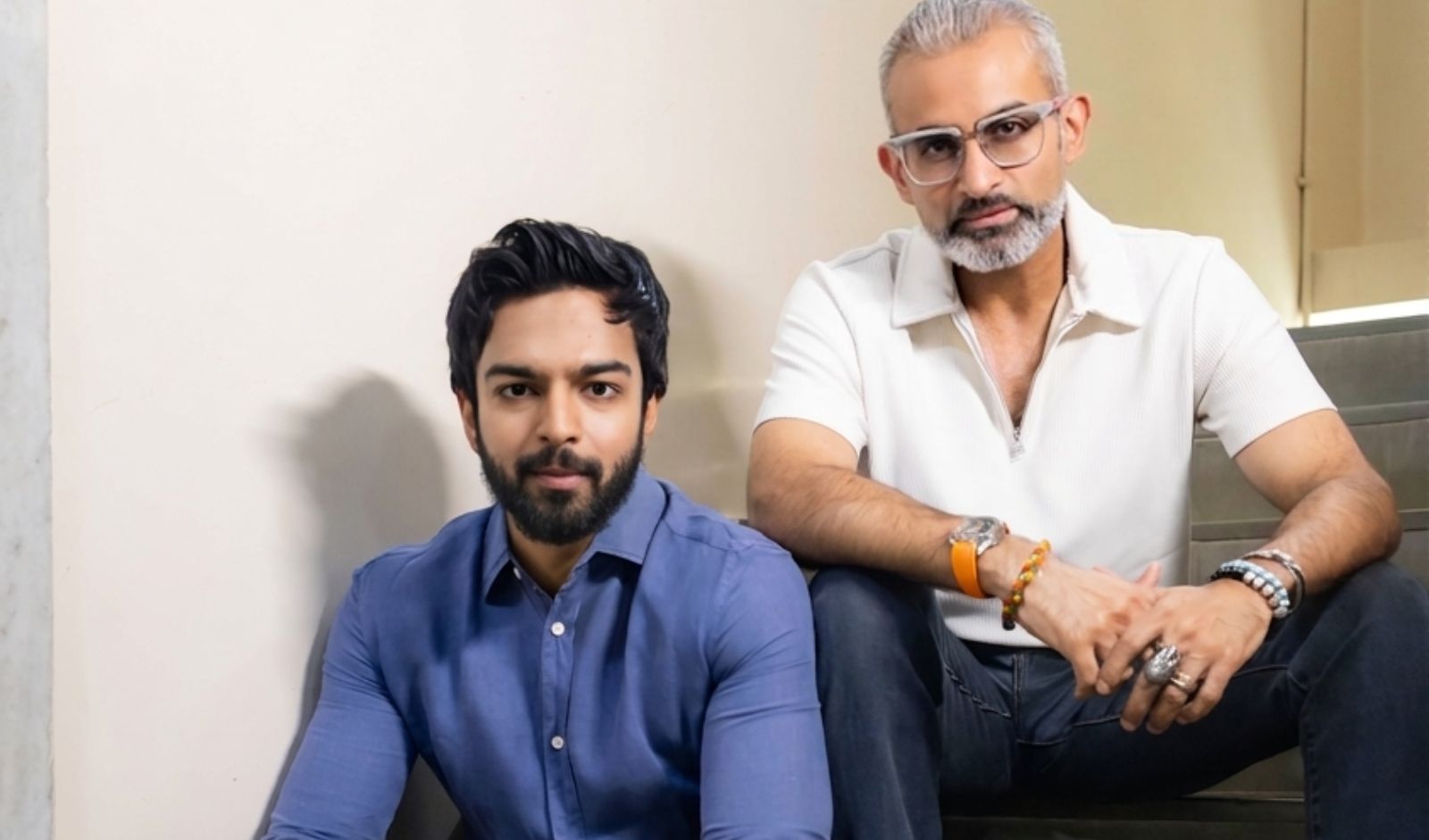
I met my co-founder, Dr. Justin Broyles, MD, MPH, in the first semester of medical school. He’s a board-certified plastic and reconstructive surgeon at Brigham and Women’s Hospital. When I mentioned wanting to apply my engineering background to a career in surgery, he immediately brought up problems associated with surgical drains.
Surgical drains are remarkably common, with over 75.5 million used across surgical specialties each year. Whenever a surgery leaves open space in the body—like after removing breast tissue during mastectomies for treating breast cancer—surgeons place drainage tubes to allow fluids to exit the operative site during healing. For patients who’ve undergone mastectomies, that typically means living with a drain for two to three weeks. Despite how routine drains are, patients consistently rate them among the most uncomfortable parts of recovery. In our published research, over 85% of patients reported negative impacts on quality of life—and these are patients who’ve often already undergone radiation, chemotherapy, and multiple surgeries before ever receiving a drain.
After focused interviews with patients and clinicians, we began to realize that the way surgical drains are secured with traditional suturing techniques allows drains to irritate the site of an operation for weeks after surgery; in some cases, stitches fail within 2 weeks following surgery and sometimes require costly re-operations to address complications.
That’s what Serosafe is designed to fix. Based on patients’ feedback, we built hundreds of device iterations, bootstrapping out of the Harvard i-labs. Just last fall, we launched a clinical trial at Brigham and Women’s Hospital to begin providing our device to patients treated for breast cancer. We’re proud to report that the first few patients who have received the device have loved it, and our safety data have been excellent so far.
What were the biggest challenges in translating this clinical need into a viable medical device company?
For medical devices especially, you need clinical acumen, engineering skill, and business fluency working in concert. I find that some of the most difficult challenges clinicians face involve communicating the scale and severity of clinical needs. In our case, patients, nurses, and surgeons understood the drain problem viscerally—administrators and investors did not. And no matter how confident we were in the clinical need, we couldn’t build a company on anecdotes alone.
So, we turned to what we knew—real clinical research. Our team conducted and published the first survey study on drain-related impacts on patient quality of life. Immediately after the study was published, surgeons from across the country began to ask us when they could start using Serosafe devices. Armed with data on the real impacts of surgical drains, we were able to make economic arguments on how much money the health care system was losing due to drain-related complications. After quantifying patients’ experiences and backing them up with real costs to the health care system, we began to gain traction outside of purely clinical audiences.
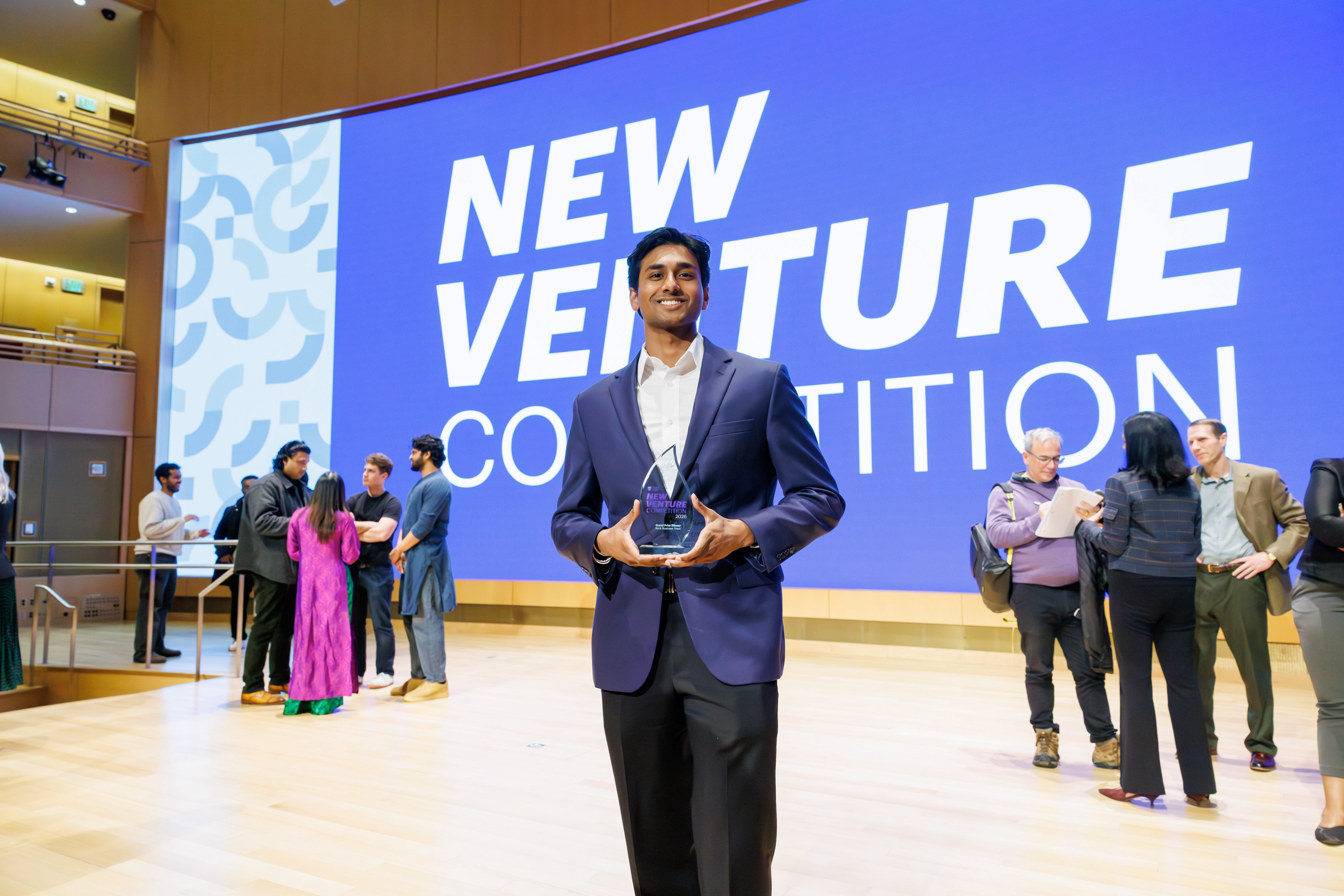
Congratulations on winning the HBS New Venture Competition! What did the experience teach you about building a health care startup?
The New Venture Competition (NVC) pushed us to transition from thinking like clinicians and researchers to thinking like founders. Beyond clinical trial milestones, we had to build out a real business plan and think seriously about fundamentals such as our unit economics and long-term IP strategy. The NVC served as a critical forcing function, and it accelerated decisions that we may have otherwise delayed.
I’d encourage any student who’s serious about founding to enter the NVC. Even if you feel it’s too early for the stage of your venture, it’s a great opportunity to get feedback and find mentors throughout the extended HBS network, even after just the first round of judging. The feedback and connections from the NVC have been one of the most formative aspects of the competition. I also want to give a shout-out to our NVC coaches—Satish Tadikonda, Nicky Agahari, and Vinit Nijhawan. I believe Satish Tadikonda’s EC course, Entrepreneurship in the Life Sciences, is critical for anyone working in business and health care.
Why did you pursue the MD/MBA, and how has it shaped your approach to building Serosafe?
I pursued the dual degree because I knew that translating clinical insights or research projects from the lab into real products would require fluency across domains I didn’t yet have. The business training gave me the frameworks to think about value creation, go-to-market strategy, and reimbursement strategies—all of which have turned out to be just as critical as our engineering skills.
What advice would you give students interested in health care entrepreneurship?
It’s no secret that health care, medical devices, and biotechnology can be intimidating areas in which to found companies, especially as a student. Regulatory pathways are long, clinical validation takes real time, and it’s difficult to demonstrate early traction. On top of those elements, you can’t quite ship an MVP the way software products in other industries typically do.
I’d encourage Harvard MD and MBA students to stay inspired by the problems that patients face and keep pushing to solve them—though the early challenges were difficult to navigate, everything was worth it once we were finally able to get devices to patients who needed them in our clinical trial. Knowing that we’re making a real difference for our patients keeps us motivated to keep developing our technology.
What’s next for Serosafe?
It’s super exciting at Serosafe—our clinical trial at Brigham and Women’s Hospital and Brigham Faulkner is active, and we’re planning to publish preliminary outcomes in a major reconstructive surgery journal in the next few months. Alongside that milestone, we’re opening a pre-seed round to fund our next design iterations and the validation testing required to bring the device to market. The clinical build and the commercial build are running in parallel, which is exactly where we want to be.
Outside of school and startups, how do you recharge?
I love live music, collecting vinyl, and running on the Charles. I also love hanging out with friends and family whenever I can!