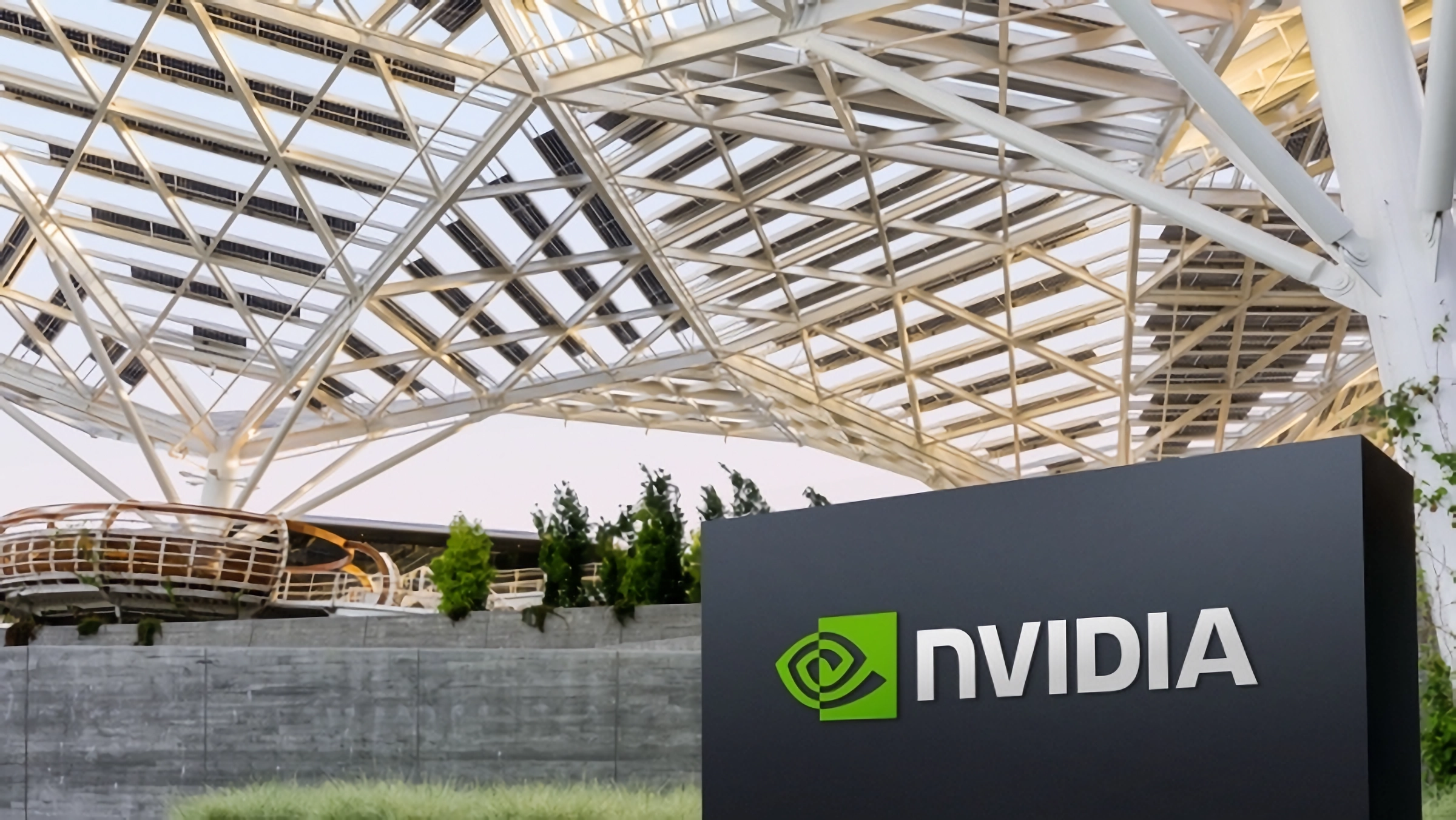
Nvidia is going after your doctor’s office, and it is not alone. The world’s most valuable chipmaker is teaming up with Abridge, the $5.3 billion startup whose AI app already listens in on doctor-patient conversations and turns them into clinical notes, to build an artificial intelligence model purpose-built for healthcare. Announced June 11, 2026, it is the latest move in an escalating fight among Big Tech’s biggest names for a place inside the exam room.
The model is designed specifically for clinical conversations and will live exclusively inside Abridge’s platform, powering tasks such as medical documentation and clinical decision support. It is expected to be ready later this year.
How is this different from a medical chatbot?
This is not a general-purpose chatbot bent toward medicine. Nvidia and Abridge are pitching it as one of the first foundation models trained on the actual back-and-forth of a doctor visit, the interruptions, the hedging, the jargon, rather than a generic large language model retrofitted for the clinic.
The distinction matters technically. A general model learns language from the open internet and is then nudged toward medicine with fine-tuning, which leaves it fluent but shallow on the messy structure of a real consultation. Training on clinical dialogue from the start lets the model learn that structure natively: who is speaking, which symptom maps to which note field, when a patient’s aside is relevant and when it is not. The model is built on Nvidia’s Nemotron family of open AI models and trained on Blackwell infrastructure using de-identified data, according to Kimberly Powell, Nvidia’s vice president of healthcare. Open models are free to download and modify, though they stop short of true open source, which would hand over the training data and code as well.
“There’s an opportunity now to take these models and adapt them with this clinical intelligence at a much earlier stage of model development,” Powell said.
How big a player is Abridge?
Nvidia is not a neutral party. It is already an investor in Abridge through its venture arm, NVentures, and Abridge is no small bet. The startup has raised roughly $800 million to date, including a round that valued it at $5.3 billion, and its ambient-listening software is already running across more than 100 health systems, including Kaiser Permanente, Mayo Clinic, Johns Hopkins and Yale New Haven Health. That existing footprint is the point: Nvidia gets a real-world clinical deployment, and Abridge gets a custom model and the chipmaker’s compute behind it.
Why is Big Tech racing for the exam room?
The deal lands in the middle of an escalating land grab. Tech giants and AI labs are pouring money into healthcare, betting the doctor’s office is one of the largest untapped markets for AI. Microsoft recently announced a collaboration with Mayo Clinic to build a healthcare AI model trained on the clinic’s data, and both OpenAI and Anthropic have rolled out their own health products for consumers and providers. Now Nvidia, the company supplying the chips that power nearly all of it, is staking out its own piece of the patient.
For Nvidia, Abridge is a proof point. Powell said the company’s open models can be custom-fit for everything from drug discovery to medical devices to digital health, and the partnership shows what that looks like in practice. “Nvidia has been known to be the AI company that works with every other AI company,” she said.
What about patient privacy and oversight?
The pitch to patients and doctors is simple: less time typing notes, more time talking. The harder question is comfort. An AI model trained on millions of real medical conversations is, by design, always listening, and the technology is racing ahead of the rules. As of mid-2026, there is still no FDA-cleared generative AI tool for clinical care, which leaves documentation and decision-support models like this one operating in a gray zone of oversight even as they scale across major hospitals.
Frequently Asked Questions
What are Nvidia and Abridge building?
They are building an AI model designed specifically for clinical conversations, trained on real doctor-patient dialogue. It will run exclusively inside Abridge’s platform to handle medical documentation and clinical decision support, and is expected to launch later in 2026.
What is Abridge?
Abridge is a healthcare AI startup valued at $5.3 billion whose “ambient” software listens to doctor-patient visits and automatically drafts clinical notes. Its tools are already used across more than 100 health systems, including Kaiser Permanente, Mayo Clinic and Johns Hopkins.
How is this model different from ChatGPT or other chatbots?
Instead of a general chatbot adapted to medicine, it is built on Nvidia’s Nemotron open models and trained from an early stage on the structure of real clinical conversations. The aim is a system that natively understands a medical visit rather than one retrofitted for it.
Is AI medical documentation regulated?
Oversight is still catching up. As of mid-2026 there is no FDA-cleared generative AI tool for clinical care, so ambient documentation and decision-support models are deployed widely while formal regulatory approval frameworks remain unsettled.