Cambodia Investment Review
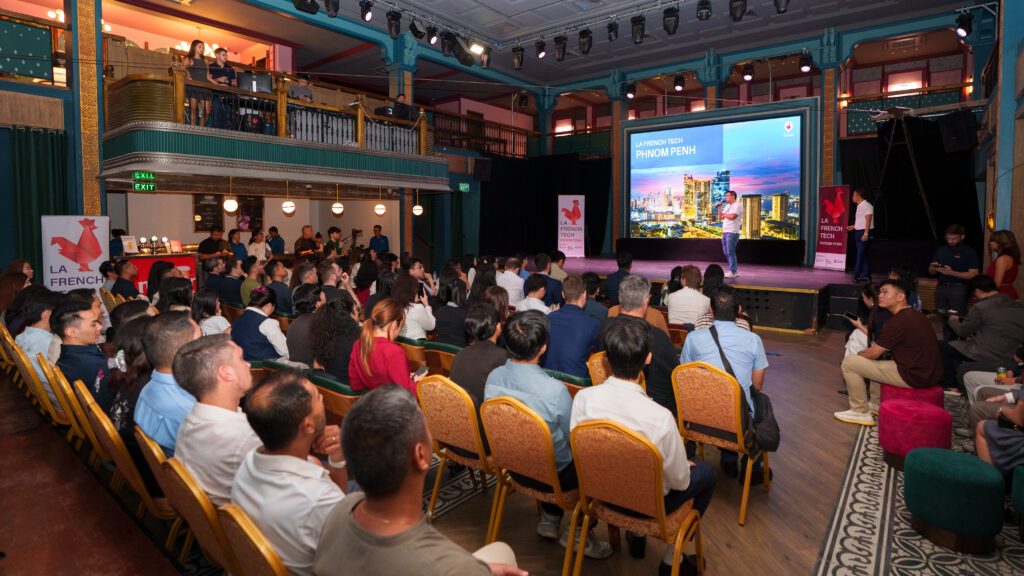
More than 150 entrepreneurs, investors, startup founders and ecosystem leaders gathered in Phnom Penh this week for La French Tech Phnom Penh’s inaugural Tech Talk, highlighting the growing role of artificial intelligence and digital innovation in shaping Cambodia’s startup landscape.
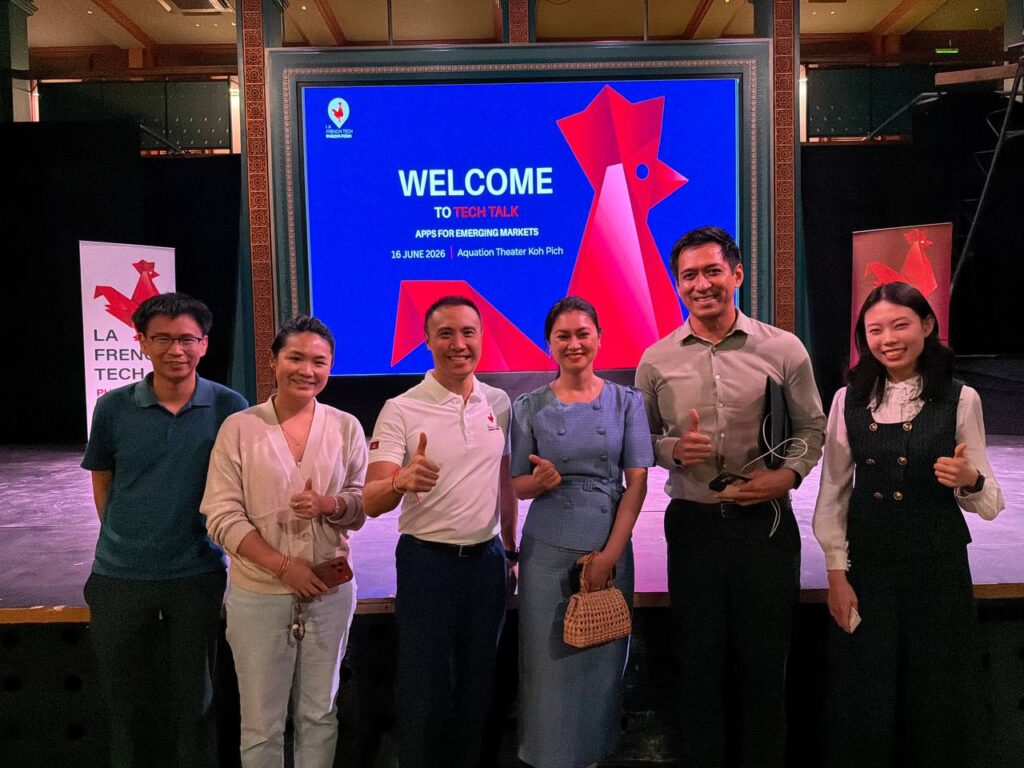
Held on June 16 at The Last Stage, Aquation Theater on Koh Pich, the event was themed “Apps for Emerging Markets — In the Age of AI, How Do We Build from Cambodia?” and explored how local founders can leverage AI and technology to develop products for both domestic and regional markets.
Read More: French Tech Phnom Penh Renews Label Within Global Network Spanning 57 Countries
The gathering was attended by H.E. Chea Ratha, Secretary of State at the Ministry of Commerce, and H.E. Kim Korn Long, Chairman of the Federation of Cambodian Startups, alongside entrepreneurs, students, investors and representatives from Cambodia’s expanding innovation ecosystem.
Focus on Building from Cambodia
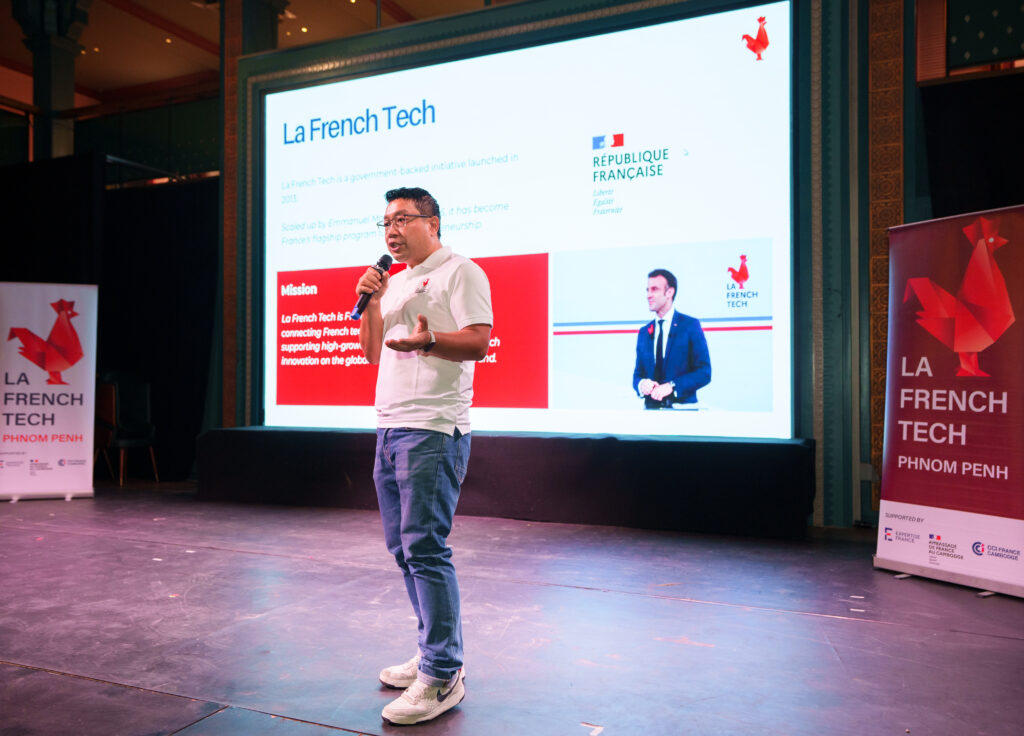
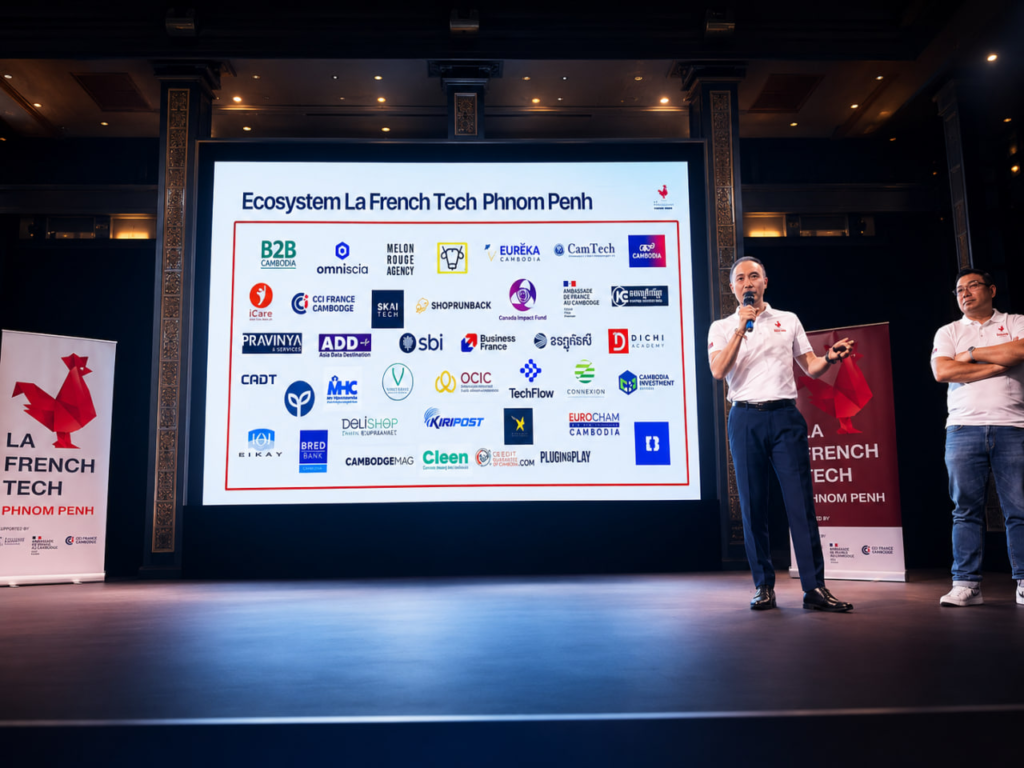
Opening the event, La French Tech Phnom Penh Co-Presidents Cedric Kang and Thierry Tea outlined the organisation’s mission to strengthen collaboration between Cambodian and international technology communities while positioning the Kingdom ahead of the 2026 Francophonie Summit.
Tea also highlighted both the opportunities and challenges facing Cambodia’s startup sector as it seeks to compete more effectively on the regional and global stage.
Startup Founders Showcase Growth Sectors
The programme featured presentations from startups operating across sectors including TravelTech, EdTech, PropTech and FoodTech.
Among the companies presenting was THE MAP, whose founders Hélène Quintin and Sébastien Lacan demonstrated a location-based travel platform designed to help users discover curated destinations.
Seng Rothsethamony, co-founder and CEO of BAMNANG, showcased the company’s digital platform combining education and property technology services. He said the startup aims to become one of Cambodia’s first unicorn companies by 2030, aligning with broader ambitions to elevate the Kingdom’s technology sector.
Food-tech startup UMAMI, led by co-founder and CEO Laurine Chateau, also presented its platform designed to connect consumers with restaurants and local dining experiences.
AI Seen as Accelerator Rather Than Silver Bullet
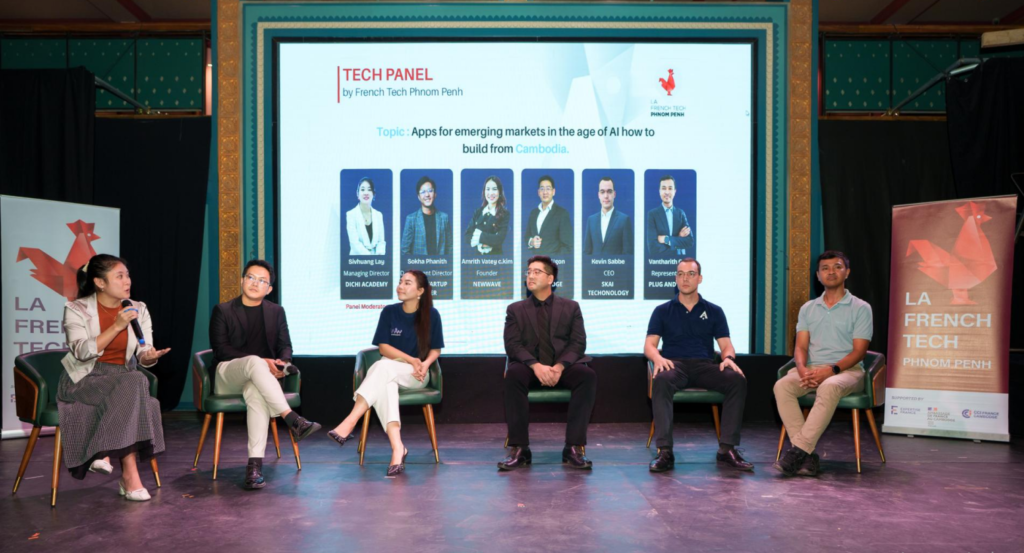
A panel discussion featuring representatives from Plug and Play Tech Center, Techo Startup Center, RedBridge, NewWave, and SKAI Technology examined Cambodia’s evolving startup ecosystem and the growing influence of AI on entrepreneurship.
Moderated by Sivhuang Lay, Managing Director of DICHI Academy, the discussion explored challenges ranging from funding and talent development to cybersecurity and regional expansion strategies.
Panelists emphasized that while AI can significantly accelerate product development and innovation, successful startups must remain grounded in solving real local problems and understanding Cambodian market dynamics.
The conversation also examined whether founders should prioritise domestic market traction before expanding abroad or design products with regional scalability from the outset.
Ecosystem Maturing Beyond Early-Stage Momentum
The event underscored signs that Cambodia’s technology ecosystem is moving from experimentation toward commercial execution.
With rising digital adoption, improving infrastructure and growing institutional support, founders are increasingly seeking to build scalable businesses capable of serving markets beyond Cambodia while addressing local needs.
Participants represented a broad cross-section of industries including fintech, health technology, blockchain, logistics, software development, cybersecurity and media, with organisations such as UNICEF, Khmer Enterprise, PillTech, Obor Capital and Innolabs also participating.
Organisers said the Tech Talk forms part of a broader series of initiatives leading up to the 2026 Francophonie Summit, aimed at raising Cambodia’s profile within Southeast Asia’s innovation ecosystem and strengthening links between entrepreneurs, investors and public institutions.
Source link