

Forecast Trend Report by Period
People Power Party lawmaker Kang Seung-gyu criticized the Lee Jae-myung administration and prime minister nominee Han Seong-sook over the rejection of LucentBlock, a real estate fractional investment startup, for approval to operate an over-the-counter exchange. He said the government spent seven years nurturing a youth startup only to hand the key business opportunity to large fintech companies.
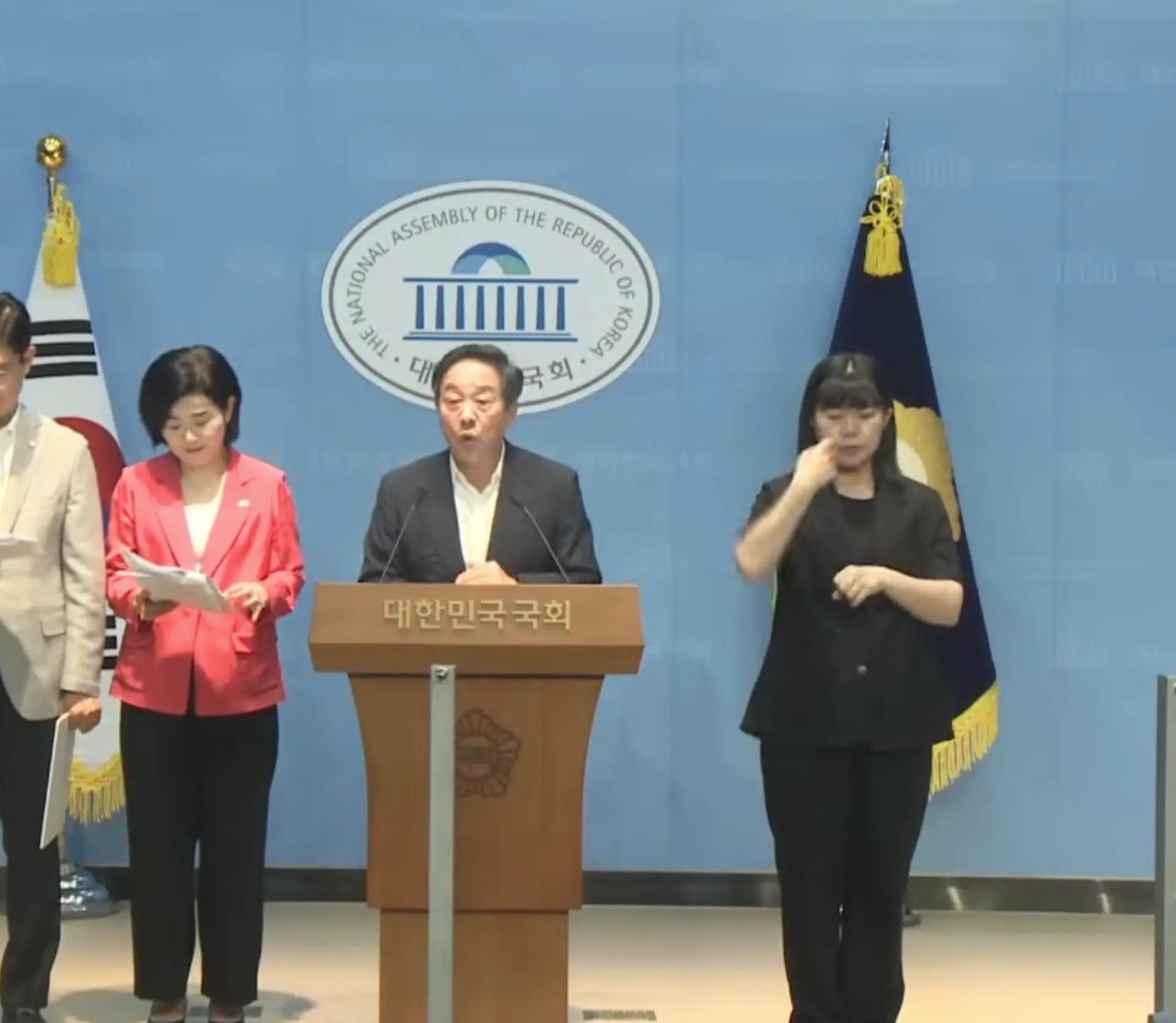
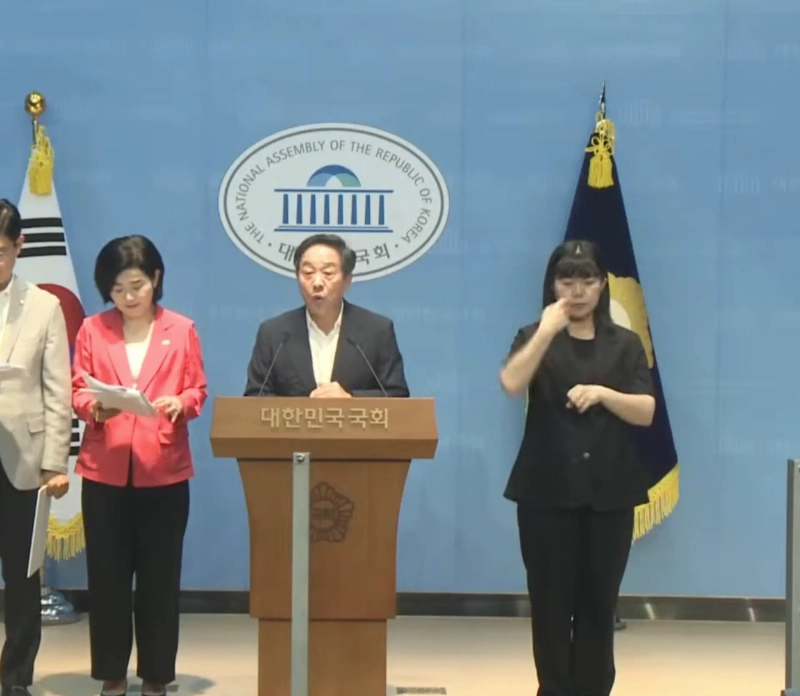
At a June 23 press conference related to Han’s confirmation hearing, Kang said, “The Lee Jae-myung government nurtured a youth startup called LucentBlock, but at the final stage handed the business license to large fintech companies and others.” He said the president and ruling party officials had acted as if they were supporting the company, only to leave the founders’ seven years of work in ruins.
Earlier, the Financial Services Commission excluded LucentBlock from screening for operators of an over-the-counter market for security token distribution. The FSC said LucentBlock received lower marks than competitors in terms of equity capital and the specificity of its fundraising plan. It also said the company needed to strengthen internal controls, including the completeness of its business plan and safeguards against conflicts of interest. As a main reason for the lower score, the regulator said the largest shareholder and related parties held a combined 51%, making it hard to view the company as a substantive consortium and underscoring its character as a company centered on an individual controlling shareholder.
LucentBlock rejected that assessment. Chief Executive Officer Heo Se-young said the FSC’s interpretation of the shareholding structure was wrong. He said the “individual investment association” identified as the controversial second-largest shareholder is an officially recognized investment vehicle certified by the Ministry of SMEs and Startups and contains no personal equity stake. LucentBlock argued that the FSC mistakenly treated a government-certified investment body as an individual holding and issued an unfair assessment.
Kang cited the dispute as he raised questions about the responsibility of Han, a former minister of SMEs and Startups who led the ministry in charge and is now prime minister nominee. “The core of youth innovation policy is helping these entrepreneurs open new markets,” he said. “In reality, a single remark from the president wiped out existing budgets and ongoing projects.” He said he wanted to press Han, as the former minister and current nominee, on the issue but had been hampered by the government’s lack of document submissions. He called for the government to provide clear materials and an explanation to fully address public suspicions.
Source link