A dynasty fantasy football startup draft is the foundation upon which an entire multi-year franchise is built. Unlike traditional redraft leagues where every team wipes the slate clean each fall, a startup draft allows you to select your roster of players that you keep indefinitely. It creates a high-stakes balancing act. Do you chase immediate championships with proven veterans, or stock up on elite young talent to build a long-term powerhouse?
Every pick you make doesn’t just shape your opening day lineup, it sets the trajectory for your franchise for years to come. Your goal isn’t simply to win in Year 1; it’s to open a championship window that lasts for several seasons by balancing youth, immediate production, and long-term trade value.
1. Pick a Team-Building Strategy
Before you make your first pick, you must commit to a clear roster philosophy. Trying to walk the fence without a plan is the fastest way to stay stuck in the middle-of-the-pack.
Strategy A: Win Now
The Approach: Capitalize on market inefficiencies by targeting elite, high-producing veterans that younger-obsessed league mates pass on.
Who to Target: Proven elite producers and high-volume, older running backs who fall down draft boards.
Core Examples: Christian McCaffrey, Derrick Henry, Davante Adams, Mike Evans
Pros: Immediate championship contention and a significantly easier initial path to the fantasy playoffs.
Cons: A shorter championship window that requires active management as your core ages out.
Strategy B: The Productive Struggle (Rebuild from Day 1)
The Approach: Intentionally punt Year 1 to load up on elite young assets and draft capital for long- term dominance.
Who to Target: Rookie wide receivers, young starting quarterbacks, and future first-round draft picks.
The Goal: Finish near the bottom in Year 1 to secure a top rookie pick, stack another elite rookie class. and dominate for years afterward.
Pros: Creates a massive, extended championship window once your young core enters its prime.
Cons: Zero short-term payoff and requires total patience.
Strategy C: The Balanced Build (The Safest Approach)
The Approach: Blend elite young cornerstone players with proven, high-yield veterans.
Who to Target: Tier-1 young stars in early rounds paired with mid-career producers to remain competitive immediately while protecting your long-term floor.
2. Quarterback Strategy (Superflex Dynasty)
In Superflex formats, quarterbacks are the single most valuable asset class in dynasty fantasy football. They possess the highest floor, highest ceiling, and longest career lifespans of any position.
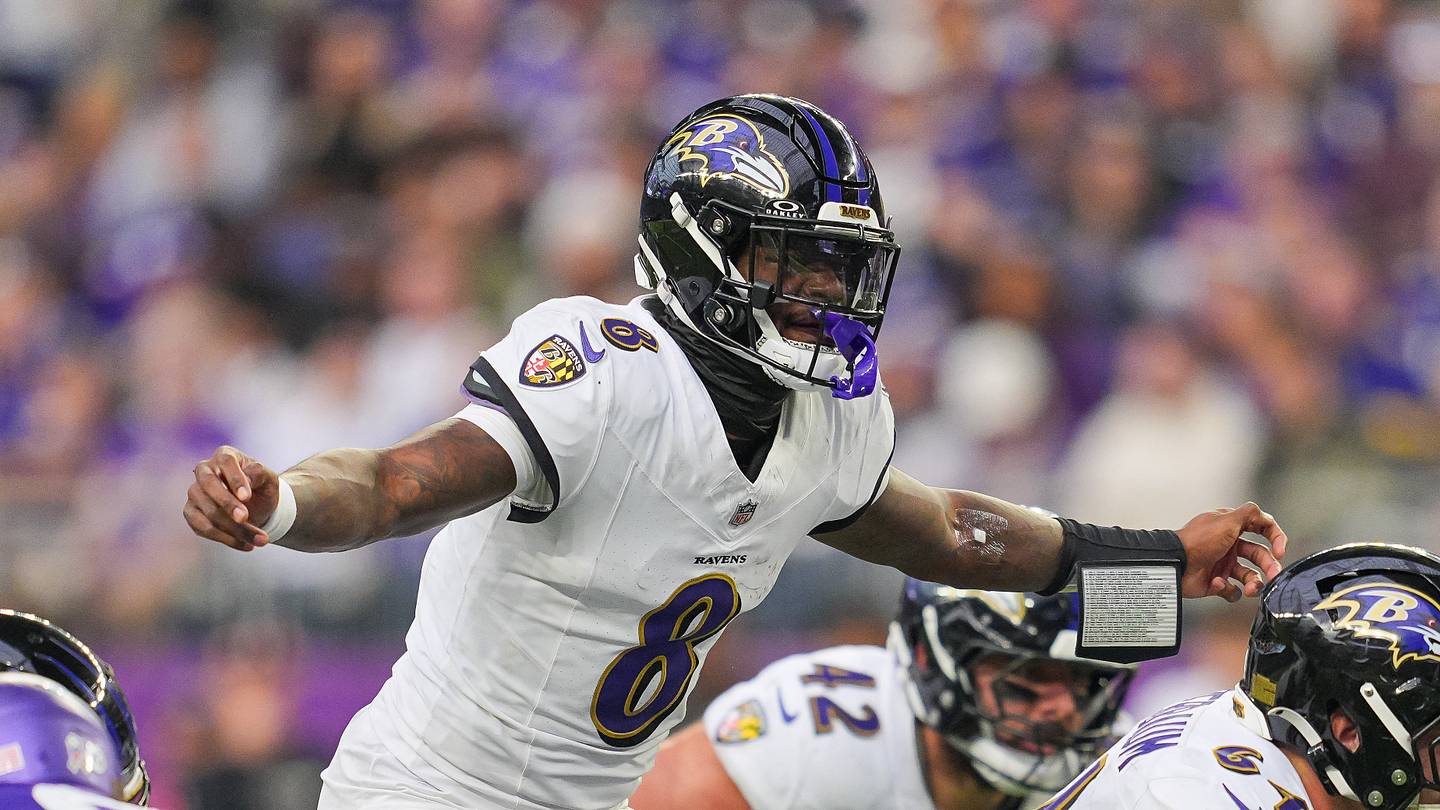
Elite Tier: Josh Allen, Jayden Daniels, Lamar Jackson, Patrick Mahomes
How 50 executives and coaches rank 35 veteran quarterbacks:
Tier 1:
-Mahomes
-Allen
-Stafford
-BurrowTier 2:
-Jackson
-Herbert
-Prescott
-Maye
-Goff
-Love
-Purdy
-Williams
-Daniels
-Mayfield
-Darnold
-Lawrence
-HurtsTier 3:
-Nix
-Rodgers
-Stroud
-Jones
-Young
-Murray
-Dart… pic.twitter.com/vTdcdmvgPf— Bobby Sheridan TSR Sports ⚾️🏈🏀🎾⛳️ (@SheridanReport) August 4, 2026
Value Retention: Elite WRs maintain premium trade value even during down weeks or offensive slumps.
Multi-Year Peaks: Top receivers produced elite numbers across multiple seasons.
Cornerstone Examples: Justin Jefferson, CeeDee Lamb, Brian Thomas Jr., Malik Nabers.
3. Be Careful With Running Backs
Running backs lose market value faster than any other position in fantasy sports. Pushing RBs too early in startup drafts can trap your franchise in a rapid depreciation cycle.
BOAT Top 12 Dynasty RB Rankings@DynatyzeFF
Tell me where I’m off.
(Top 45 Rankings + Tiers below) pic.twitter.com/De8Wq0KXME
— The B.O.A.T. Commish ⛵️ (@BOATcommishFF) August 5, 2026
Draft Philosophy: Draft elite RBs only when they represent undeniable draft value. Avoid forcing running backs early, and build your depth in the middle-to-late rounds.
Ideal Targets: Young starters with secured volume, explosive backup options, and high-value handcuffs with standalone upside.
4. Chase Elite Tight Ends
Securing a top- tier tight end, especially in TE Premium formats, provides a massive weekly positional advantage over the rest of your league. Elite tight ends offer long career arcs, consistent target volume, and resilient trade market value.
Elite Targets: Brock Bowers, Trey McBride, Sam LaPorta
5. Capitalize On Rookie Draft Capital & Market Value
Dynasty success isn’t just about accumulating starting lineup points, it’s about managing asset valuation over time. Every player on your roster carries four distinct value metrics: Production Value, Age Value, Market Value, and Future Value.
Post-NFL Draft Dynasty Fantasy Football Rookie Rankings…
Tier 1
– LoveTier 2
– TateTier 3
– Tyson
– Lemon
– MendozaTier 4
– Price
– Concepcion
– StowersTier 5
– Coleman
– Simpson
– Cooper
– SadiqTier 6
– Boston
– Singleton
– Allen
– Allar
– WilliamsTier 7
– The Rest pic.twitter.com/2S2Ilb1dJ6— Joe Orrico (@JoeOrrico) April 26, 2026
Rookie Picks Appreciation: Early rookie draft picks steadily gain trade value as the NFL Draft approaches. They provide maximum roster flexibility and acts as an ideal liquid currency in trade negotiations during the season.
Don’t Draft Only for Youth: Avoid the trap of filling all 23 roster spots with players under age 23. Build a balanced blend of elite veterans, prime-age stars (ages 24-28), young breakout candidates, and high-upside rookies.
Startup Draft Quick Reference Guide
Rising Dynasty Values to Target
QBs: Cam Ward, Drake Maye and Caleb Williams
RBs: Quinshon Judkins, Omarion Hampton and TreVeyon Henderson
WRs: Brian Thomas Jr., Malik Nabers, Marvin Mims Jr., and Tre Harris
TEs: Brock Bowers, Trey McBride and Mason Taylor
6 Golden Startup Draft Tips
1. Draft QBs Early in Superflex: Secure your signal-callers before the board runs dry.
2. Build around elite WRs: Establish your team’s core around long- term wide receiver talent.
3.Stay Flexible: Never lock into a single rigid strategy before seeing how the draft falls.
4. Trade Back for Value: Collect extra pick capital when league mates reach for specific players.
5. Draft Value Over Pure Points: Target assets that appreciate in trade value, not just short- term scorers.
6. Target Year 2 Breakouts: Grab second-year players right before their ADP skyrockets.
8 Common Startup Mistakes to Avoid
1. Drafting for age over talent: Passing on elite producers purely because of age.
2. Ignoring league settings: Failing to adjust valuations for Superflex or TE Premium rules.
3. Waiting too long on QBs in Superflex: Getting caught on the wrong side of a quarterback run.
4. Reaching for rookie hype: Overpaying for unproven incoming rookies over established stars.
5. Drafting too many aging running backs: Clogging your roster with declining RB assets.
6. Forgetting weekly lineup requirements: Building a pretty roster that doesn’t fit starting requirements.
7. Passion value due to age alone: Ignoring massive value slides because a veteran is 28 or older.
8. Refusing to trade during the draft: Missing prime opportunities to maneuver the draft board.
Sign up for our free newsletter and follow us on Facebook, X, and Instagram for all the latest news.
 Add us as a preferred source on Google