Merlin Mani, 17, wants to build a tech company one day.
At her secondary school in London, she runs what she describes as a “mini Dragons’ Den” entrepreneurship club. She’s fascinated by the startup world around King’s Cross. “I’m jealous of the Google massage chairs.”
But unlike many Silicon Valley founders she admires, Mani already knows what she’d do differently.
“If I were Elon Musk,” she says, “I’d give some of that money to charity.”
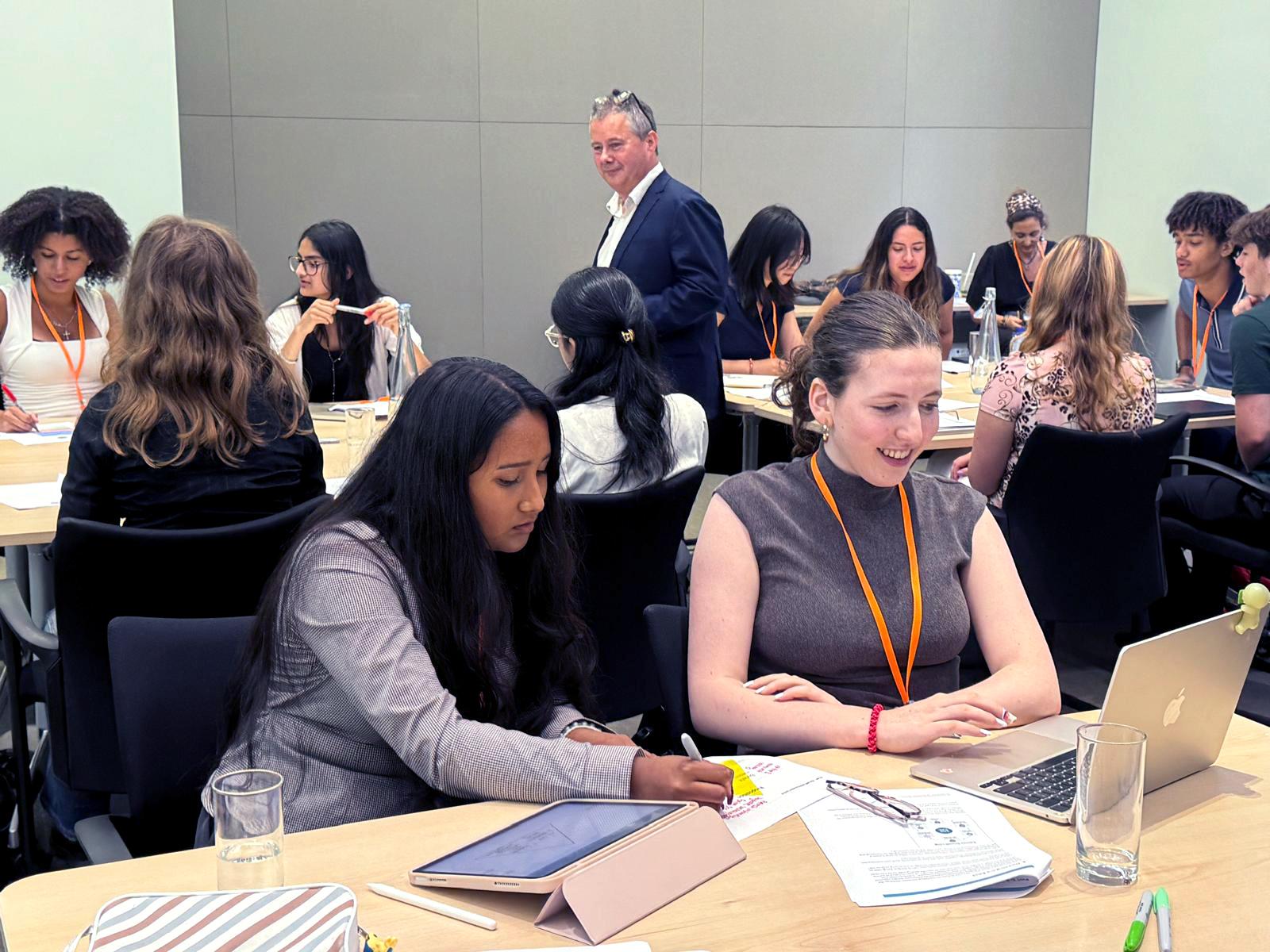
This week, Mani is attending a five-day course for 16-18 year olds in London — the brainchild of angel investors Deborah Gruenberger and Isobel McDermott-Spencer who fear that teenagers are being locked out of the industry before they even get started.
School doesn’t offer a lot when it comes to tech education, Mani says, “and it’s really hard to find work placements, especially when you have exams to prepare for.”
It doesn’t help that many startups are hiring fewer junior staff as they automate routine work with AI, making it harder for teenagers to gain their first experience.
The course, which began last summer, covers the startup building blocks, as well as the process investors go through when assessing deals. The directors have invited entrepreneurs and investors to share their stories with the young wannabe moguls.
One exercise will see students play investor. On Friday they’ll hear a pitch from healthtech startup Zonova Technologies before deciding whether they would back the business.
Zonova’s CEO Georgia Fleet is feeling a little nervous about it. “Pitching to teenagers is pretty scary, though I did close a seed round recently so I’m the most practiced I’ve ever been.”
‘Ghastly hole’
Gruenberger and McDermott-Spencer say they created the course after watching traditional routes into work disappear.
Tightened safeguarding rules, employers’ caution and shrinking internship programmes, they argue, have left a “ghastly hole” for under-18s hoping to explore careers in tech.
Their concerns are backed by research. A Federation of Small Businesses poll found just 35% of young people said they had received any enterprise education at secondary school, with girls even less likely to report doing so.
Gruenberger says her friend’s daughter had to sit three interviews for a job at an ice cream shop. “Why is there even one interview for this?” she asks.
Fleet admits it’s hard for young people to get a start in her company too, because the work is lab-based and it takes “at least three months to bring new hires up to speed”.
New UK prime minister Andy Burnham has vowed that secondary school pupils in England will soon be able to study subjects like manufacturing and AI.
The government said the courses, which would be available from Year 10 would be linked to local industries and designed to give children a clearer pathway into work.
Not daunted by AI
Gruenberger and McDermott-Spencer say their course will also create opportunities for young women.
Mani says her impression is that female founders have their work cut out for them. “I do think we have to put twice as much effort in to be recognised for our work to be respected in the same way,” Mani says. “When it comes to this industry, you think of tech bros first.”
She wants to study maths at university next year, a subject she feels will endure no matter what happens in AI. “I think there will be a rapid decline in software engineering for example, which is fine, because I don’t like coding.”
Despite the fear around what AI will do to jobs, Mani remains convinced she’ll build a company one day. She may not want to become the next Musk but she’s determined to become a founder on her own terms.