Startups + VC
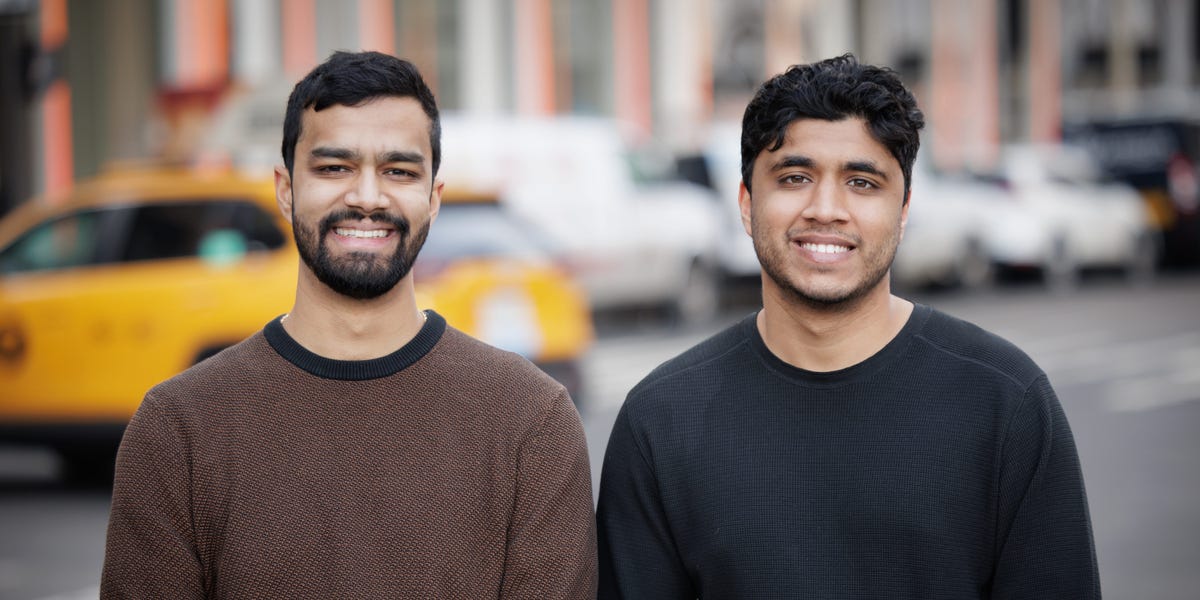
Powered by AI claims processing and an in-person Central Ohio workforce, Priyang Shah’s health startup helps employers cover out-of-pocket costs for dual-income families. Backers include Y Combinator and First Round Capital, alongside local investor North Coast Ventures.
Columbus health benefits startup Healia has raised $18 million in total funding—including a $14 million Series A led by 111° West Capital—as it scales its platform to cut out-of-pocket costs for dual-income families nationwide.
The funding round drew West Coast firms Y Combinator, First Round Capital, Pioneer Fund, and GoAhead Ventures alongside Ohio-based North Coast Ventures. To date, Healia has enabled employers to unlock $33 million in additional coverage for families, expanding its footprint while keeping its entire operational team based in Central Ohio.
Founder and CEO Priyang Shah started Healia in 2021 to fix a structural design flaw in traditional employer benefits. Roughly 30 million American dual-income households have access to two employer health plans, but systems are rarely built to help them evaluate both. Healia’s flagship Total Care Option (TCO) allows employers to cover an employee’s out-of-pocket costs and premiums when they choose to enroll in a spouse’s health plan instead of their own.
The model yields significant financial advantages for both sides: families can save up to $26,000 annually in out-of-pocket medical expenses, while employers reduce healthcare spending by up to 76% per enrolled household.
Shah points to three forces behind the growth. The first is math. Health care costs have outrun inflation in nine of the last ten years, he noted, running at roughly twice the rate of inflation for the past two, and employers have started looking for options that do not simply shift the burden onto workers. “When your deductible is five thousand dollars, and you can’t afford a $500 emergency room visit, you are functionally uninsured,” he said.
The second is artificial intelligence (AI). On the claims side, Healia uses it to speed adjudication across the many carrier and plan combinations it handles, since every employer’s benefit setup differs. It also parses two plans side by side for a family deciding between an employee’s coverage and a spouse’s, and it helps brokers answer the hundreds of quote requests they field each month. A human reviews the AI’s work at each step, he explained. The third, Shah explained, is the team, which brings deep insurance experience and a Midwest mentality focused on impact.
When Shah raised the round, he did not spend much energy persuading West Coast investors that a Columbus company was worth backing. He let the numbers do it. Nationwide, Progressive and State Auto are among the large insurers headquartered in Ohio, and Ohio State University sits in the company’s backyard. “I didn’t have to convince them so much as show them the data,” he stated. Beyond the numbers, he points to the local talent. “There’s a real hunger here: people who want to build something venture-scale, lasting, and meaningful, who bring Midwest humility and a nose-to-the-grind mentality to it,” he explained. He describes the mix as Silicon Valley’s ambition alongside Midwest humility.
Including North Coast Ventures was a deliberate choice. “We wanted an Ohio-based fund so that when we have a successful exit, that capital is guaranteed to go back into Ohio and the Midwest,” he explained. The firm’s early commitment carried weight, he added, and there was a practical case too: a local backer who could help recruit talent and who Ohio candidates already recognize.
Shah brings a track record to that argument. He was the 15th employee and first product manager at Root Insurance, part of the team that scaled the company to roughly 1,500 people and a $6.5 billion initial public offering (IPO). He was the 20th employee at Olive AI, the health care automation company that reached a valuation north of $4 billion before winding down. The through line from both into Healia, he said, is the method rather than the products. “The lesson I carry into Healia from those years is the same one: big aspirations, backed by rigorous, data-driven decision-making, and hiring an incredible team top to bottom,” he explained. That level of data rigor, he noted, was rare in health care and insurance.
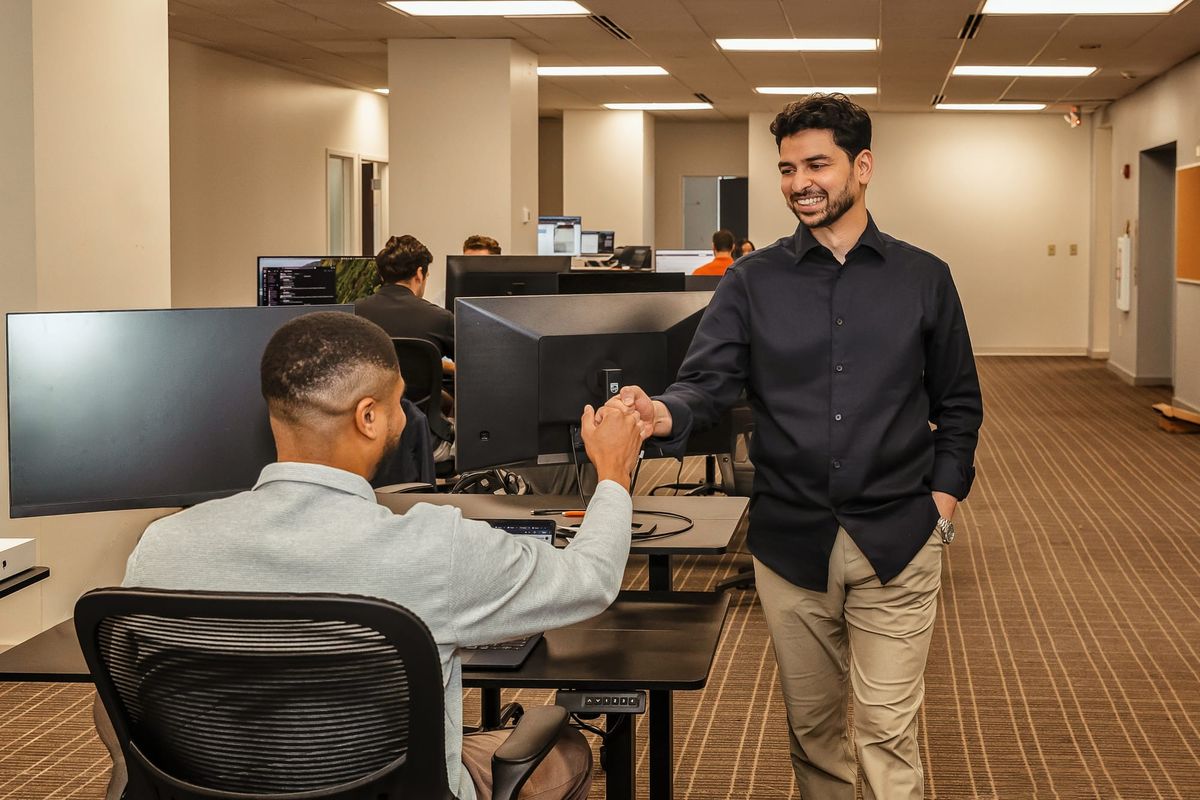
The Ohio focus extends to hiring. “Our goal today is to have 100% of our employees based in Ohio,” Shah stated. Every current employee and new hire is based in Central Ohio, and the team works in person five days a week. Against larger, better-resourced competitors, he sees speed as the company’s only real advantage, and he ties that speed to communication. “In-person work cuts communication time dramatically because you’re not waiting on a Slack thread or a calendar invite, you turn around and ask,” he explained.
Shah also sees Healia contributing to the ecosystem that shaped him. Asked whether he sees a “Root/Olive mafia” effect taking shape, where alumni go on to start and fund the next wave of local companies, he did not hesitate. “A hundred percent, yes,” he said. He can already point to a dozen would-be founders on Healia’s own payroll, and he wants the company to do for them what Root, Olive and others did for him.