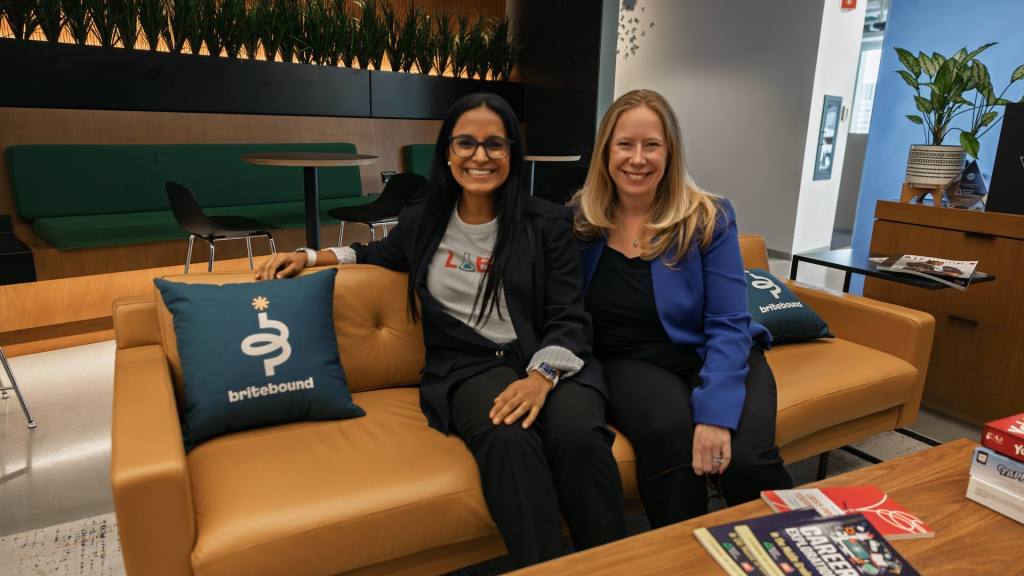
The founder, Pratham Jindal, shared his views in a LinkedIn post, arguing that startups often require employees to be flexible when unexpected problems arise.
“If you clock out at 5 pm every day, don’t expect to reach leadership roles at a startup,” Jindal wrote.
According to him, the early stages of building a company can involve unpredictable challenges, including client emergencies outside regular working hours. He said founders need people who are willing to step in and help resolve such situations when they arise.
“If there’s a client crisis at 11 pm, I need someone who will stay up with me and do what it takes to solve it. I can’t put my trust in someone who shrugs and says: “This is outside of working hours, I’ll deal with it tomorrow.” Because by then, we’ve already lost the client,” he wrote.
“When shit hits the fan, startups need people”
Jindal clarified that he was not suggesting employees should work 15-hour days every day. However, he argued that during a crisis, startups may need employees to temporarily prioritise work to prevent serious business consequences.
“Nobody is expected to work 15-hour days every day. But when shit hits the fan, startups need people who will make work a priority. And the people who do show that commitment – they’re the ones who get rewarded with 10x faster growth,” he said.
According to Jindal, employees who demonstrate such flexibility can progress rapidly, citing examples such as a video editor becoming a COO in two years and an HR executive becoming a CBO in three years.
“Corporate roles with ‘fixed’ hours can’t offer a trajectory like that,” he concluded.
How are social media users reacting?
The post sparked a debate over work-life boundaries soon after it went viral. Social media users argued that while work emergencies happen, they should not be expected to remain available constantly.
“Pay for overtime and see how many people are willing to stay up with you to handle the shit hitting the fan. You’d be surprised at the work ethic!” read a comment.
Another said, “Maybe the compensation shouldn’t have boundaries either.”
“Do you also pay your employees double their salary sometimes when “shit hits the fan” for them? If not, then if they don’t have you at their back then why should they be at yours?” wrote an individual.
An account posted, “The real question is whether commitment should mean flexibility when needed, or being available all the time. That distinction matters.”
“Nobody sets boundaries. People choose to work overtime only if they feel their overtime is being valued, not taken for granted,” a user remarked.
Another commented, “I agree with you but you are the founder, you get an asymmetric return of the time you put in but an employee doesn’t. His salary is fixed, maybe if somebody is that committed, give him some equity.”
Jindal concluded his post by stating that both startup and corporate professions require various trade-offs. “Both routes come with perks and sacrifices. Choose yours wisely,” he wrote.