RIYADH: Startups across the Middle East and North Africa raised $1.1 billion through 73 deals in September, marking a 193 percent increase from August, according to Wamda and Digital Digest’s monthly funding report.
Despite the monthly recovery, the total remained 68 percent below September 2025. The rebound was heavily concentrated in several large transactions rather than spread evenly across countries, sectors and funding stages.
Barq’s $329.5 million series A, Tabby’s $233 million series F and Lendo’s $200 million debt financing generated $762.5 million.
Together, the three Saudi fintech deals represented nearly 70 percent of the region’s monthly capital.
Debt accounted for 31.7 percent of September’s funding, compared with 76 percent a year earlier. The change indicates that equity made a substantially larger contribution to the month’s headline total.
Saudi Arabia regained the regional lead, with 40 startups securing $947.2 million, equivalent to about 86 percent of MENA funding. Fintech generated 86 percent of the capital raised by Saudi companies.
The UAE placed second with $98.4 million across 12 deals. Five fintech startups accounted for 71 percent of that amount, showing that the sector’s dominance extended beyond the Saudi market.
Egypt returned to the top three after recording no funding in August. Seven startups secured $49.2 million, although Paymob’s $35 million pre-series C represented about 71 percent of the country’s total.
Across MENA, 20 fintech companies attracted $930.6 million, or roughly 85 percent of all funding. Proptech followed with $50.2 million across three deals, while travel technology secured $25.2 million through two transactions.
Early-stage companies led by volume and value, raising $418.2 million across 39 deals. Five later-stage companies collected $288 million, while 23 startups did not disclose their funding stage and six transactions were classified as debt.
Business-to-business companies attracted $457.7 million across 47 transactions, compared with $406.4 million for consumer-focused startups. Male-led companies received about $1 billion, versus $2.4 million for female-founded startups and $7.3 million for mixed teams.
September lifted third-quarter funding above $1.7 billion, but the concentration of capital limits evidence of a broad recovery. Fourth-quarter results will indicate whether investment spreads to more markets and sectors or remains dependent on large transactions.
Saudi AI startup Echelon raises undisclosed funding
Saudi AI company Echelon raised an undisclosed round from East40, RAED Ventures and Avra, alongside Ben Horowitz and other investors.
The capital will support AI deployments across Saudi enterprises and government entities.
Founded in 2025 by Khalid Al-Saud, Echelon helps organizations select, localize and implement technologies from global providers.
Its partners include Applied Intuition, IFS and Rubrik, covering industries from energy and aviation to healthcare.
Echelon plans to launch engineering unit Frontier and an applied AI training institute during the fourth quarter.
Echelon Defense Industries is scheduled for early 2027, while the wider business intends to expand regionally after establishing its Saudi operations.
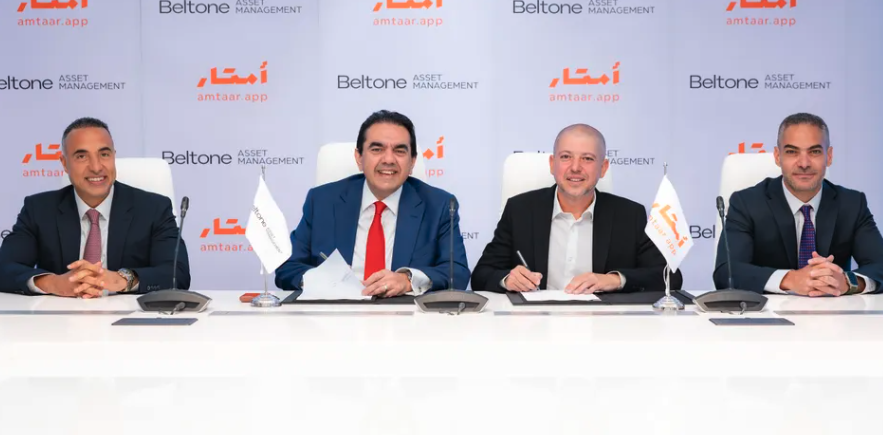
Beltone and Amtaar plan $38m real estate fund
Beltone Asset Management and Egypt-based fractional property investment platform Amtaar Capital partnered to establish a multi-issuance real estate fund targeting 2 billion Egyptian pounds ($38 million), in total issuances.
The fund’s first issuance is expected to range between 500 million and 700 million pounds. Beltone will establish and manage the vehicle and select its assets, while Amtaar will provide investors with digital access.
Participation will start at 1,000 pounds, giving investors exposure to income-generating properties through fund units instead of direct ownership. Returns may come from rental income and capital appreciation, subject to the fund’s performance and terms.
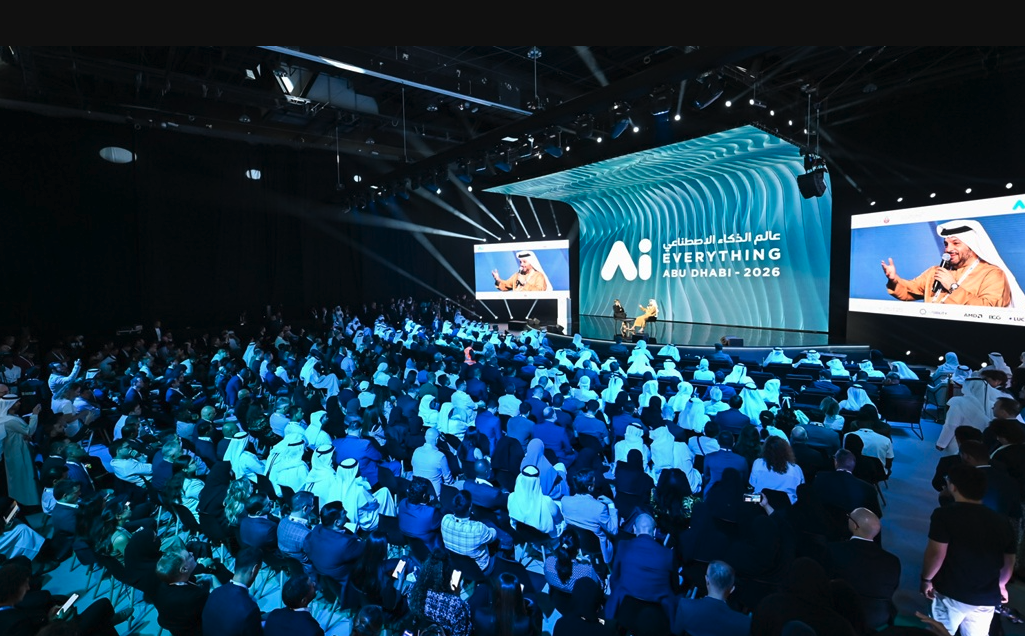
Ai Everything draws 150 startups to Abu Dhabi
Ai Everything Abu Dhabi brought more than 400 technology companies and startups to the ADNEC Centre on Oct. 6 and 7. Its Ai StartX Everything showcase featured over 150 startups and more than 200 investors from 30 countries.
The participating investors represented $100 billion in assets under management.
Technologies showcased included software incident resolution, industrial safety monitoring, Arabic customer-service automation, sovereign enterprise AI and screen-aware digital agents.
The investor programme also included the Supernova AI Global Pitch Competition, where five finalists competed for equity-free awards.
The event connected founders with investors, sovereign funds, technology companies and potential enterprise customers.
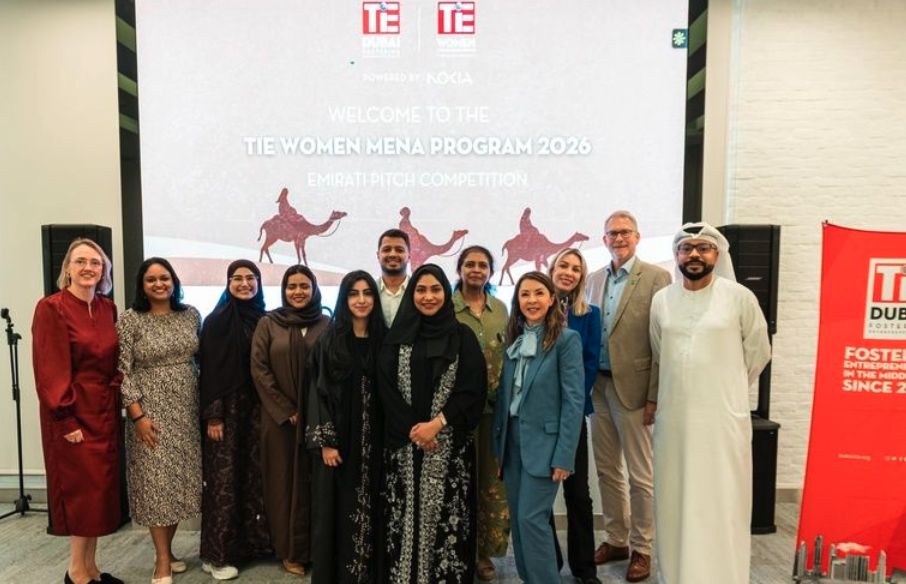
TiE Women MENA selects five regional winners
TiE Women MENA selected five founders for its 2026 regional final: Naglaa Mohamed of P-Vita, Lea Mehaweg of Maison Safqa, Anuscha Iqbal of Qanooni AI, Rowan Alawi of Trase and Aisha Alyassi of SCULP.
The program drew more than 250 licensed women-founded businesses, compared with almost 200 in 2025.
Organizers shortlisted 228 founders, with 46 pitching across regional tracks covering Egypt, Saudi Arabia, the UAE, the wider MENA region and Emirati founders.
The five winners will showcase their companies at Expand North Star and compete for the MENA title during the GITEX Global final in December. Mentors will continue supporting the cohort following the regional competition.
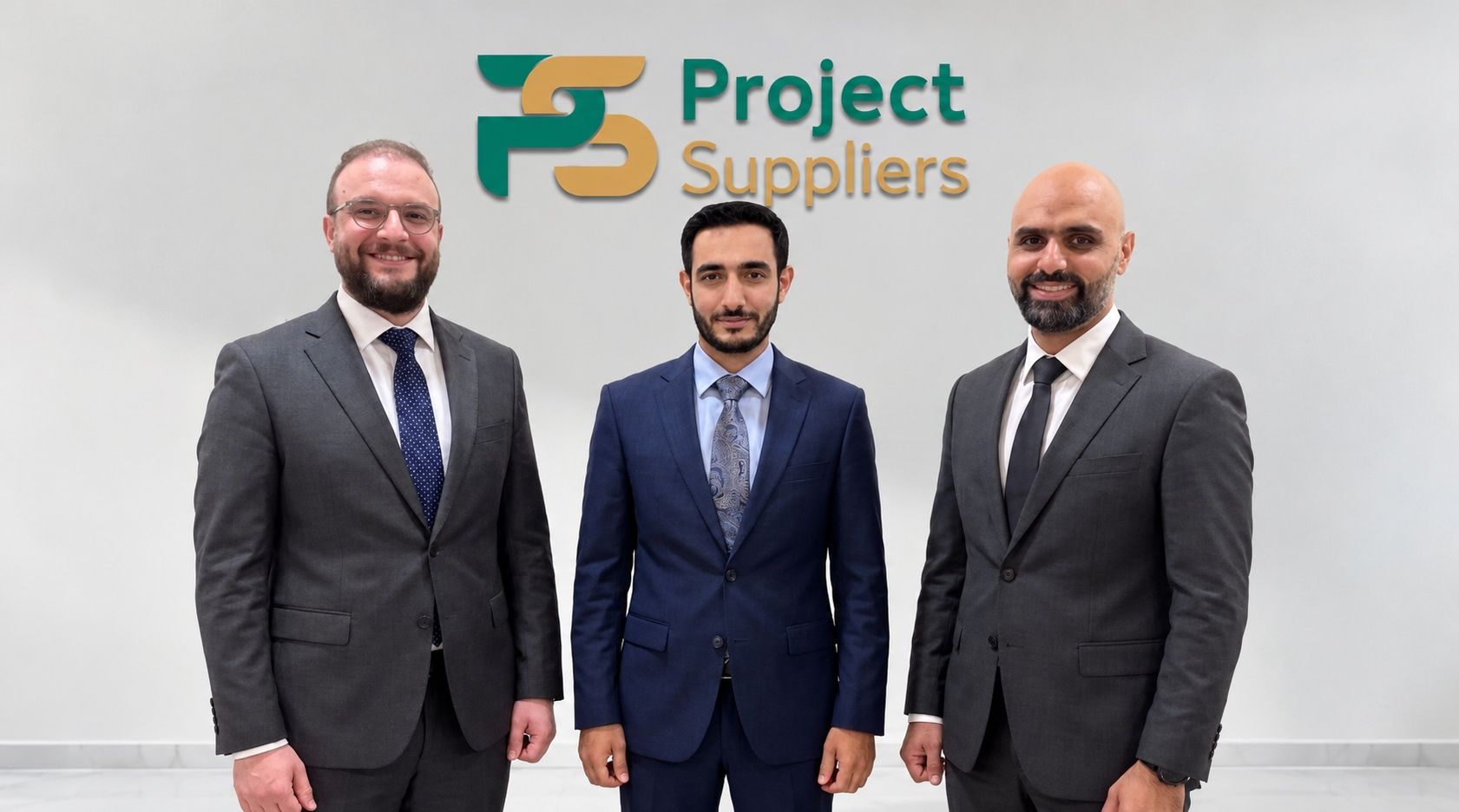
Project Suppliers raises $1m pre-seed round
Saudi construction and procurement technology startup Project Suppliers raised $1 million in its first pre-seed round. A group of angel investors participated, although their identities were not disclosed.
Founded in 2020 by Husam Jaber, the company connects construction-sector suppliers and buyers through sourcing, quotation, tracking and reporting tools.
Project Suppliers said its database includes over 12,000 businesses and has handled nearly 600,000 quotation requests.
The company will use its capital and data to develop AI-powered cash-flow management and financing tools.
The products will target construction and mechanical, electrical and plumbing suppliers facing liquidity pressures and delayed payments across Saudi Arabia and the GCC.
Source link