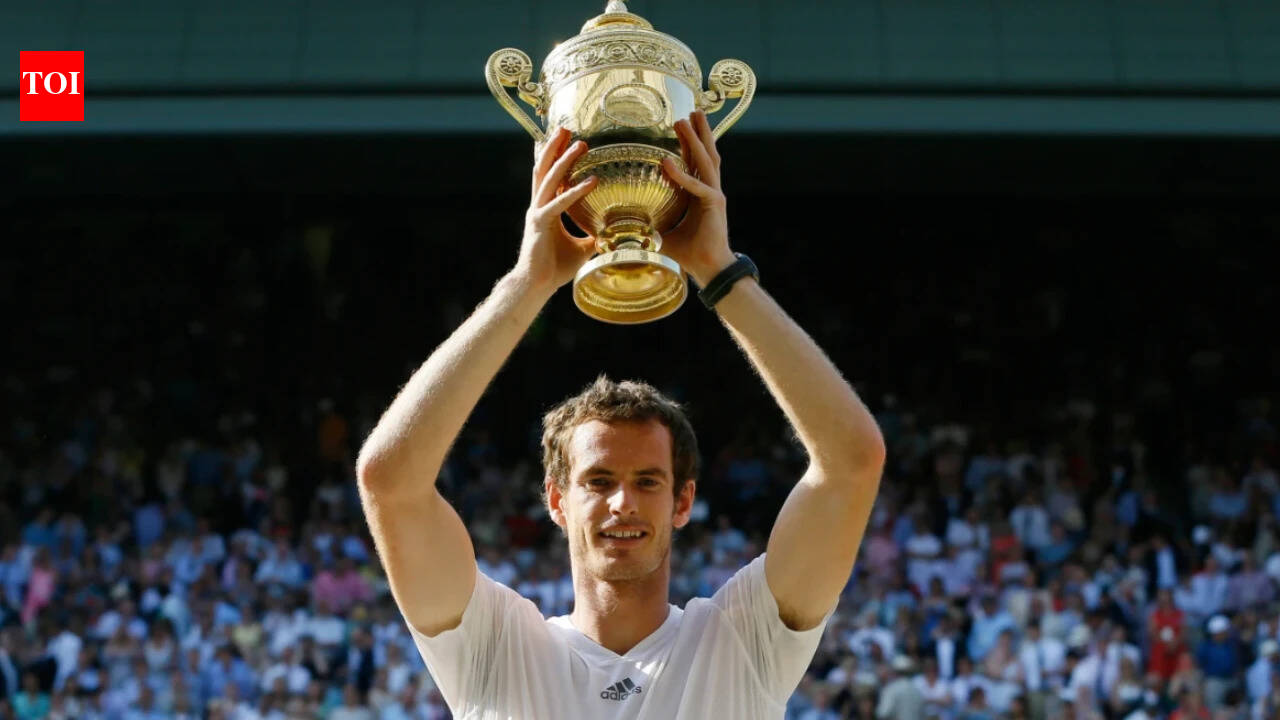
Sir Andy Murray’s achievements on court include three Grand Slam titles, two Olympic singles gold medals and a rise to world No. 1. But his ambitions extended beyond tennis long before his retirement at the 2024 Paris Olympics. He began investing in businesses across sportswear, technology and hospitality while still competing at the highest level.His portfolio includes a partnership with British sportswear brand Castore, investments connected to the growing sport of padel, and ownership interests in hospitality and other businesses. Although reports have put different figures on his overall wealth, the value of a business or investment portfolio should not be confused with Murray’s personal net worth or the money he has earned from individual ventures.
How has Sir Andy Murray built his business portfolio?
Murray began considering life after professional tennis years before he played his final match. In a 2015 partnership announcement with equity crowdfunding platform Seedrs, he explained that investing in innovative British startups appealed to him. The collaboration also reflected his interest in businesses connected to sport, health and wearable technology.That early interest developed into a portfolio spanning several industries. Rather than relying exclusively on prize money and sponsorships, Murray explored opportunities where he could support companies, contribute his sporting profile or participate in businesses with long-term growth potential.There is no single publicly verified figure that establishes the current value of all his investments. Reports have placed his wealth at different levels, but private company stakes, property interests, business liabilities and changing valuations make precise calculations difficult. According to Celebrity Net Worth, any net worth figure should be treated as an estimate rather than an audited statement of his finances.
Sir Andy Murray’s investments in sportswear and startups
One of Murray’s best-known business relationships is with Castore, the British performance sportswear company founded by brothers Tom and Phil Beahon. Murray became an early investor and worked with the brand on AMC, a tennis apparel collection reflecting his experience as a professional player. The partnership connected his sporting identity with a British business seeking to establish itself in performance clothing.His startup interests have also included companies operating outside traditional sports. Seedrs gave him a route to explore early-stage businesses, while reports have linked his portfolio to ventures in areas such as employee benefits, financial technology, digital advertising and health services. Companies mentioned in coverage of his investments include Perkbox, WeSwap, Landbay, Adludio and ZoomDoc. The extent and current status of individual holdings are not necessarily public.The broader strategy is diversification: early-stage businesses can offer opportunities for growth, but they can also fail or lose value. A reported investment does not establish that Murray still owns a stake, nor does it confirm how much profit he has made. His portfolio is best understood as a range of business interests rather than a guaranteed stream of returns.
Sir Andy Murray expands into padel and sport
Murray’s sporting background has also influenced his investments in activities beyond professional tennis. Padel, a racket sport combining elements of tennis and squash, has attracted growing attention internationally.Game4Padel’s business model has been associated with installing courts at partner venues and generating revenue through court bookings. For Murray, the opportunity sits at the intersection of sport and business: participation can grow when facilities become more accessible, while operators gain a chance to build a sustainable commercial model.He has also been linked to the Hexagon Cup, a team-based padel competition, through Team AD/vantage. The involvement gives him another connection to the development of padel as a spectator and participation sport. His interest in sports-related businesses has reportedly extended to other ventures, including TMRW Sports and sports hydration brand Halo Hydration. However, the scale and current status of each investment should be distinguished from confirmed operating results.
Why sports investments suit Murray’s experience
Elite sport has given Murray direct experience of training, equipment, performance demands and the commercial relationship between athletes and brands. That background may help him assess whether a product or sports business addresses a genuine need. His involvement can also provide visibility, although an athlete’s name alone does not guarantee commercial success.Padel and performance apparel also offer opportunities that do not depend on Murray returning to competitive tennis. Facilities, products and sporting events can continue to develop beyond an individual athlete’s playing career, making them potential long-term business interests. As with startup investments, their financial outcomes depend on demand, execution and the wider market.
Sir Andy Murray expands into luxury Scottish hospitality
Murray’s hospitality venture is among the most personal parts of his business portfolio. In 2013, he bought Cromlix, a luxury country house hotel near Dunblane, Scotland, for a reported £2 million. The property has a family connection: it hosted a celebration for his grandparents and was also the venue for his brother Jamie Murray’s wedding.Under Murray and his wife Kim’s ownership, Cromlix has been developed as a high-end destination with an emphasis on hospitality, dining and the surrounding Scottish countryside. The hotel received a Michelin Key and was named Scotland’s best hotel at the AA Hospitality Awards in 2024, according to published reports. Those recognitions have helped establish its reputation, although awards do not automatically translate into profits.Cromlix has also demonstrated the risks of owning a hospitality business. Media coverage reported operating losses and further investment in renovations and planned improvements. Hotel performance can be affected by staffing costs, maintenance, food and beverage operations, occupancy and wider travel demand. The property’s purchase price and reputation therefore cannot, on their own, establish its current market value or profitability.
What Murray’s business portfolio means after retirement
Murray’s move into business was not simply a response to retirement. His early involvement with Seedrs shows that he was considering opportunities beyond tennis while still playing professionally. Castore, Game4Padel and Cromlix illustrate three different approaches: supporting a sportswear brand, backing a developing sport and operating a hospitality property.Murray’s post-tennis career is therefore best viewed as an evolving mix of investments and operating businesses rather than a single financial success story. His experience in professional sport has helped him identify opportunities in performance clothing and emerging sports, while Cromlix gives him a foothold in hospitality. Time will tell if these ventures are the ones to bring lasting returns, beyond his reputation as a Wimbledon champion.