




Also in the letter:
■ Apna Mart layoffs, relocation
■ PE push for OpenAI, Anthropic
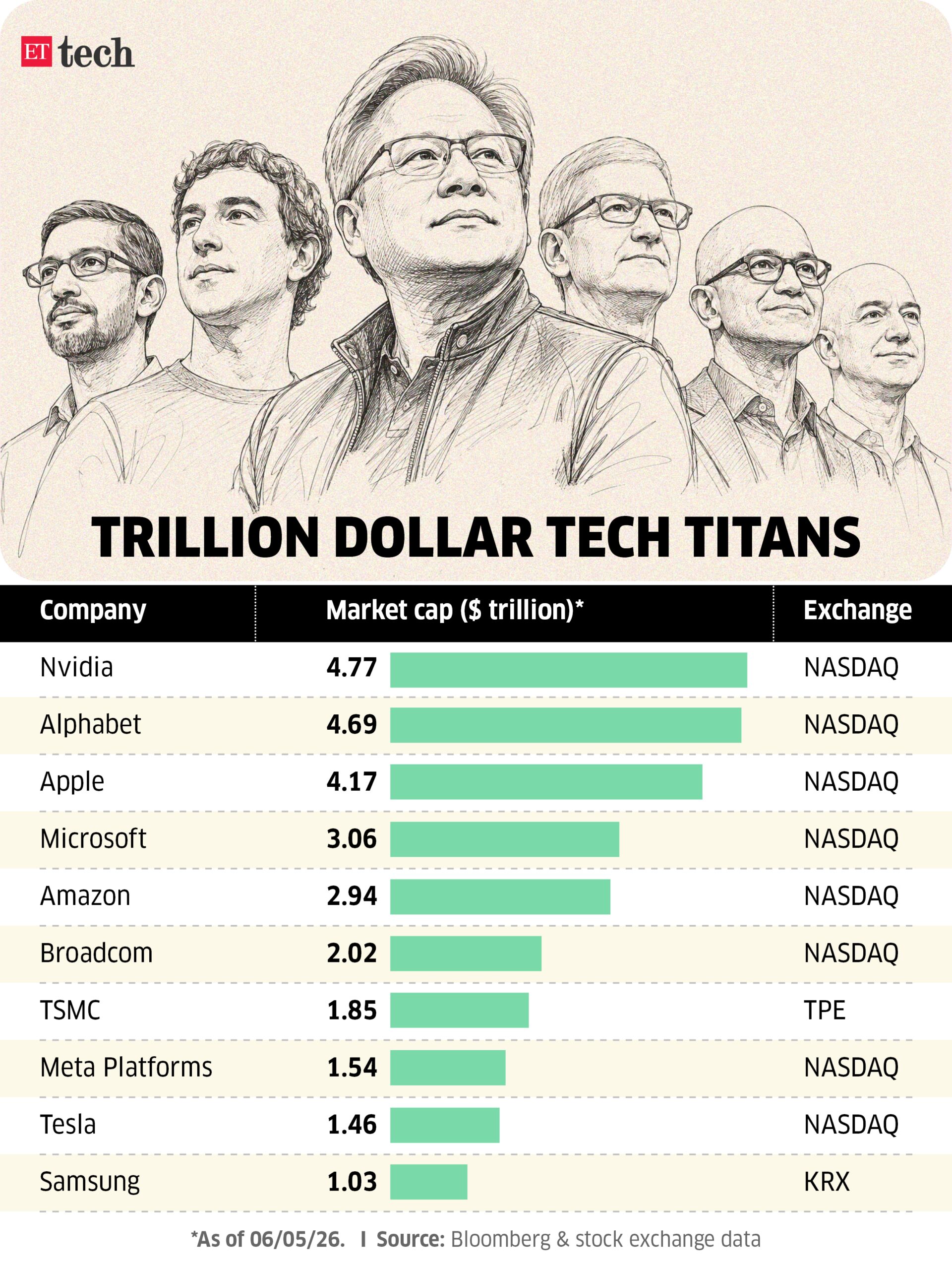
■ Samsung hits $1 trillion
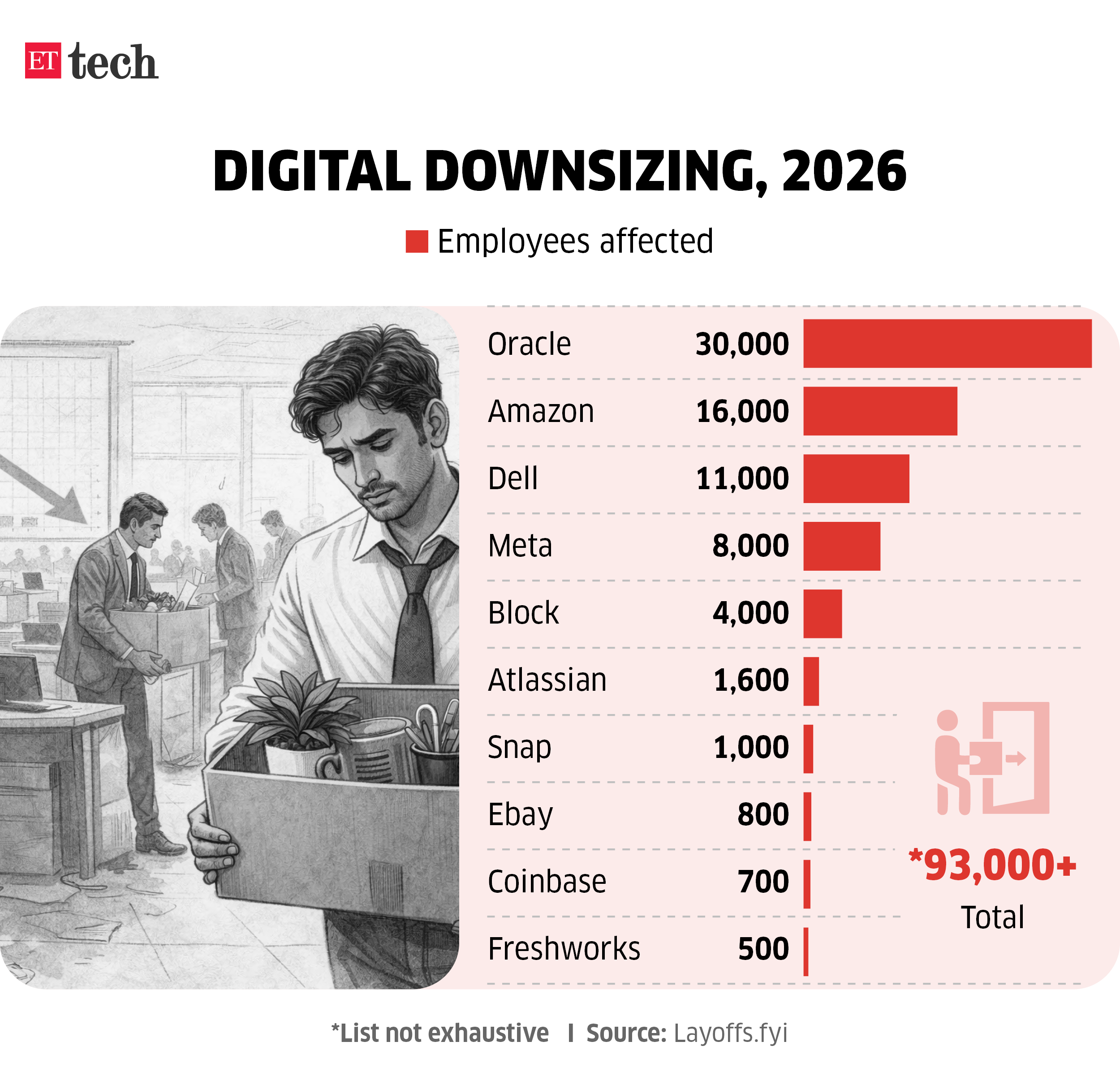
Freshworks to cut 500 jobs; Q1 revenue hits $228 million
Announcing quarterly results, Freshworks said it will cut jobs as it increases focus on artificial intelligence.
Layoffs lowdown: The company said it will cut 11% of its global workforce, affecting nearly 500 employees, as part of its shift towards AI-led operations.
Chief executive Dennis Woodside said there are no plans for more job cuts, adding that the company will keep teams lean. “We will be very thoughtful about any additional headcount… or backfilling existing roles, and about how we stay fast and nimble while taking advantage of AI,” he told ET.
This is its first major round of layoffs since 2024, when it cut around 13% of its staff globally.
Financials:
- Revenue: rose to $228.6 million on-year, beating estimates of $223.24 million.
- Operating loss: narrowed to $8.1 million from $10.4 million a year earlier.
Meesho’s March quarter: Losses shrink 88% as revenue sees healthy growth
Ecommerce platform Meesho reported a sharp reduction in its consolidated losses for the March quarter compared to the previous year.
Financials:
- Consolidated loss: down 88% to Rs 166 crore in March vs Rs 1,391 crore a year earlier.
- Revenue from operations: up 47% at Rs 3,531 crore vs Rs 2,400 crore in the same quarter last year.
What else? Meesho said its net merchandise value (NMV) rose to Rs 11,371 crore in Q4FY26, up 43% on-year. Orders also grew 43% to 717 million, helped by more new users joining the platform and higher business from existing users.
PB Fintech’s Q4: Revenue up 36% to Rs 2,061 crore, net profit up 54%
PB Fintech reported strong quarterly results, with growth in both revenue and profit driven by higher insurance premium collections.
Q4 numbers:
- Operating revenue: up 36% at Rs 2,061 crore, vs Rs 1,507.8 crore a year prior
- Net profit: up 54% at Rs 261 crore, vs Rs 169 crore last year
- Total expenses: Rs 370 crore vs Rs 307 crore in the year-ago period.
- Employee expenses: up 37%, at Rs 699.3 crore.
FY26 numbers:
- Operating revenue: up 37%, at Rs 6,794 crore.
- PAT: Rs 670 crore, up 115%.
- Full-year insurance premium (Policybazaar): up 42%, at Rs 29,934 crore.
SaaS firm Capillary Tech posts strong Q4 on enterprise wins, Kognitiv integration
Bengaluru-based Capillary Technologies reported strong fourth-quarter results driven by customer expansion, new enterprise contracts, and integration of the Kognitiv business acquired last year.
In numbers:
- Operating revenue: rose 26% year-on-year (YoY) to Rs 191.3 crore.
- Profit after tax (PAT): jumped 233% to Rs 43.3 crore.
- Adjusted Ebitda: increased 28% YoY to Rs 35.7 crore.
- Total expenses: up 26% at Rs 156.3 crore from Rs 124.2 crore a year ago.
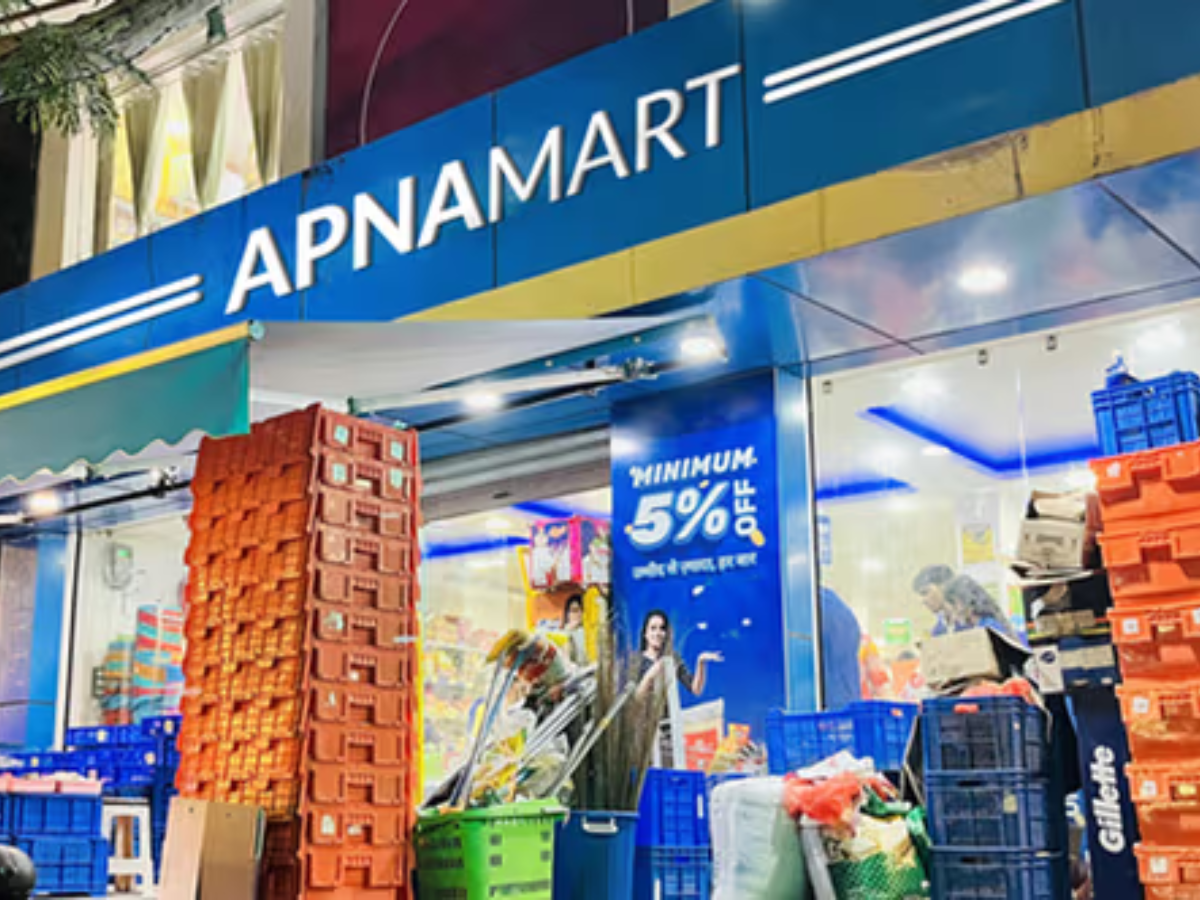
Grocery delivery startup Apna Mart culls 10% of staff, moves base to Gurugram
Accel and Peak XV-backed grocery delivery startup Apna Mart has cut around 10% of its workforce, roughly 35 to 40 employees, as part of a broader restructuring tied to AI-led automation.
What else: Jobs were also affected due to the shift in location. In an internal email reviewed by ET, the company informed affected employees that their roles had been impacted due to the transition “from Bangalore to base locations,” while offering severance equivalent to two months’ pay.
Tell me more:
- Apna Mart said some employees could not relocate, while certain functions were no longer required because “the work is now handled by AI.”
- The company’s product and technology teams will now operate from Gurugram.
- Operational teams remain spread across its core markets in Jharkhand, Chhattisgarh, and West Bengal.
Why now: The restructuring comes as competition in India’s fast-growing quick commerce market intensifies, with Amazon and Flipkart also expanding their presence in the segment over the past year.
OpenAI, Anthropic tap PE muscle to disrupt $300 billion IT services market
OpenAI and Anthropic are turning to private equity firms as a new distribution engine to push AI deeper into enterprises, a move that could challenge IT services companies, including India’s $300 billion technology services sector.
The PE route:
- OpenAI announced a $10 billion joint venture, The Deployment Company, backed by investors including TPG, Brookfield, Bain Capital, SoftBank and Dragoneer, with access to about 2,000 portfolio companies.
- Anthropic followed with a $1.5 billion venture involving Blackstone, Hellman & Friedman, Goldman Sachs, and General Atlantic to sell Claude.
Why it matters:
- Experts said PE portfolios offer AI firms a faster route to companies under pressure to improve Ebitda over three-five years.
- The model also helps AI companies show revenue growth ahead of planned listings, while enterprise AI adoption through traditional IT services firms remains slow.
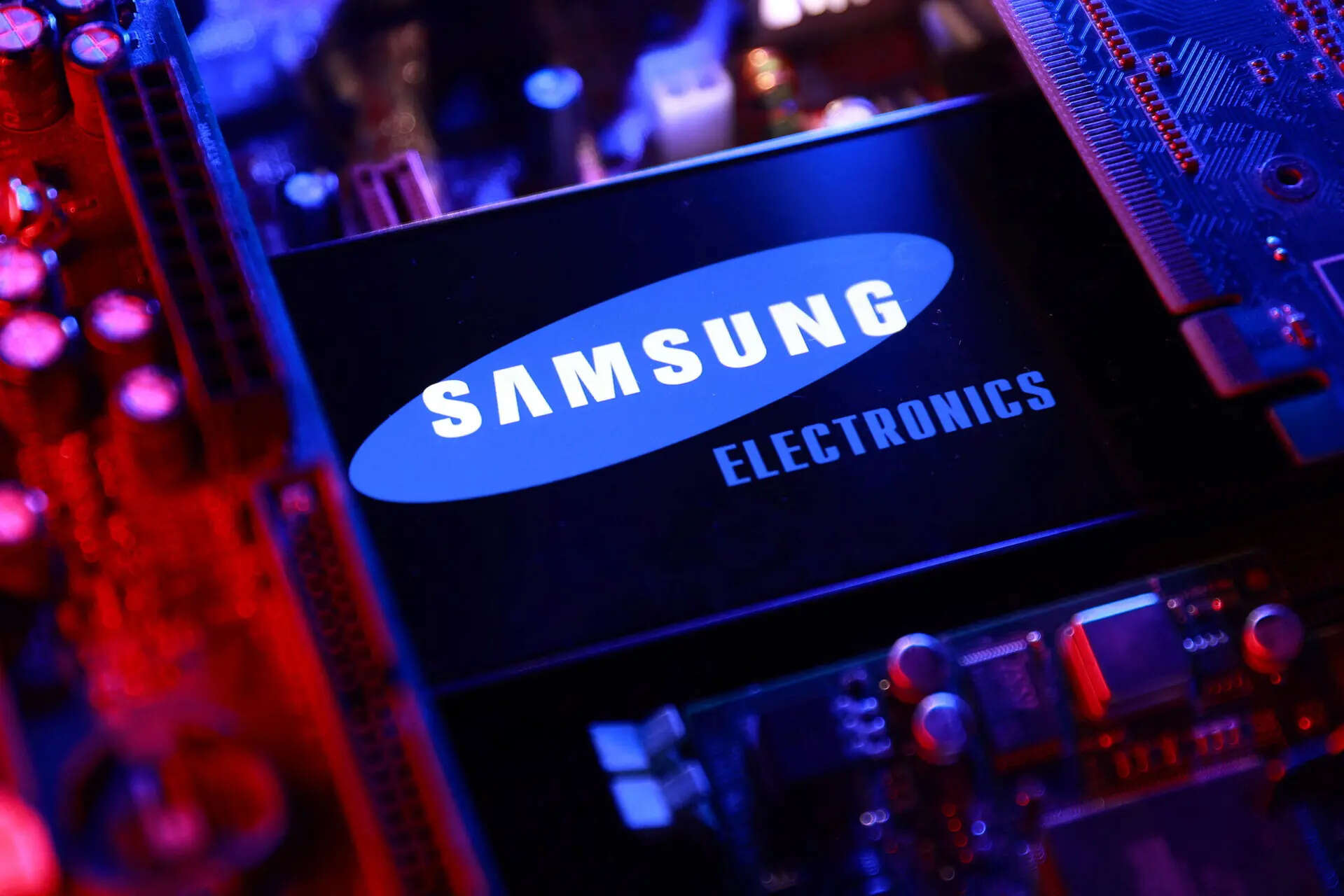
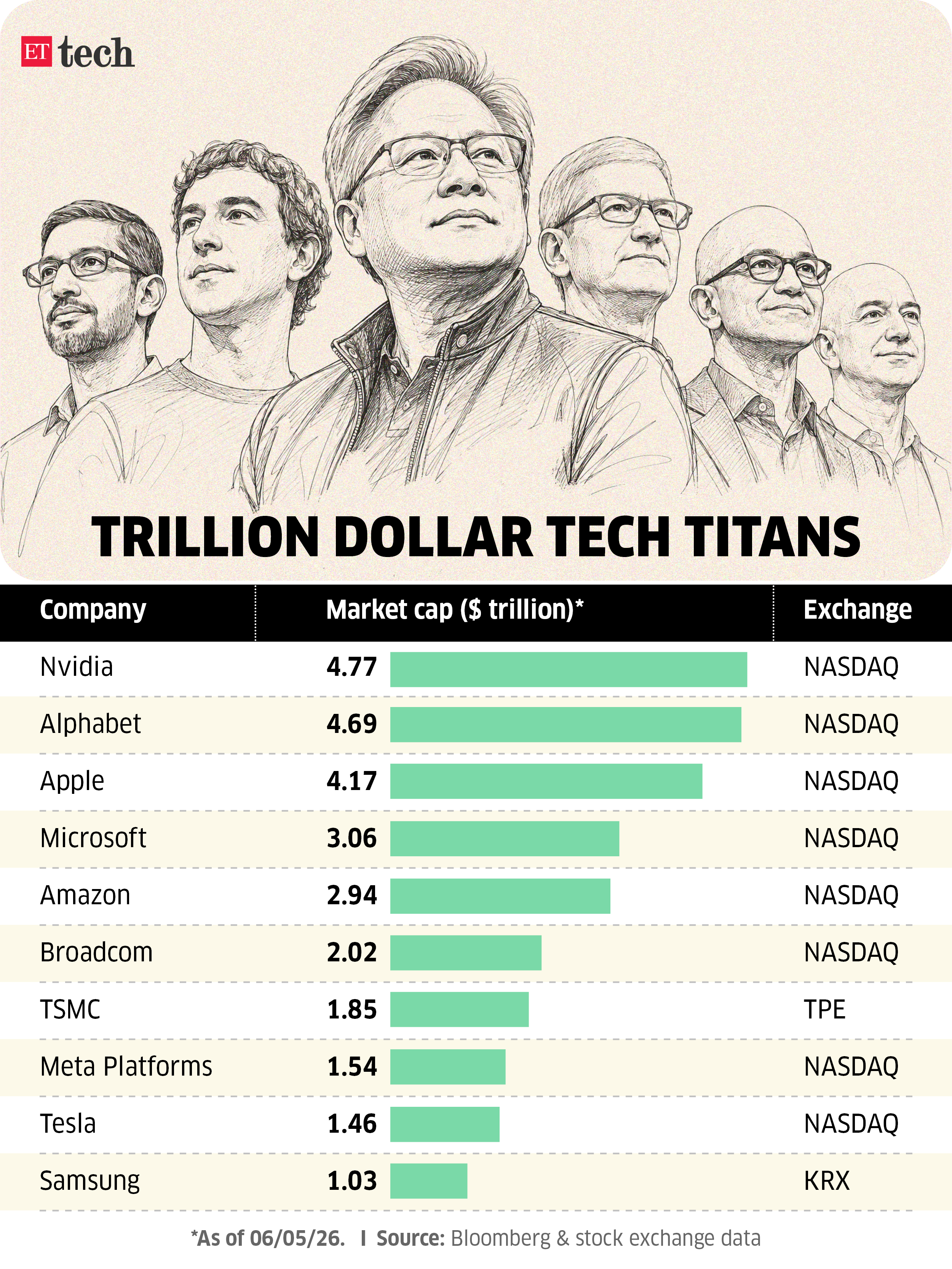
Samsung reaches $1 trillion valuation: What’s fuelling the AI chip surge?
Samsung Electronics has crossed the market value of $1 trillion for the first time, helped by strong demand for AI chips and a wider rise in semiconductor stocks.
Tell me more: The company’s share price has surged sharply over the past year, with a further jump in early May pushing its valuation past the trillion-dollar mark. It is now only the second Asian firm after Taiwan Semiconductor Manufacturing Company to reach this milestone.
The growth is closely tied to Samsung’s key role in the global chip supply chain, especially in supplying critical components used in AI servers and data centres. Strong financial performance in the March quarter has also supported the rally.
Financials:
- The chip division’s operating profit jumped to a record 53.7 trillion won ($36.15 billion) from 1.1 trillion Won a year earlier.
- Overall revenue rose 69% year-on-year to 133.9 trillion Won.
Yes, but: Growth is not balanced across the business, with mobile and display units facing cost pressures, while rising profits have also led to worker demands for better pay.
Also Read: Is Alphabet overtaking Nvidia? The AI chip king’s reign is under threat
Source link