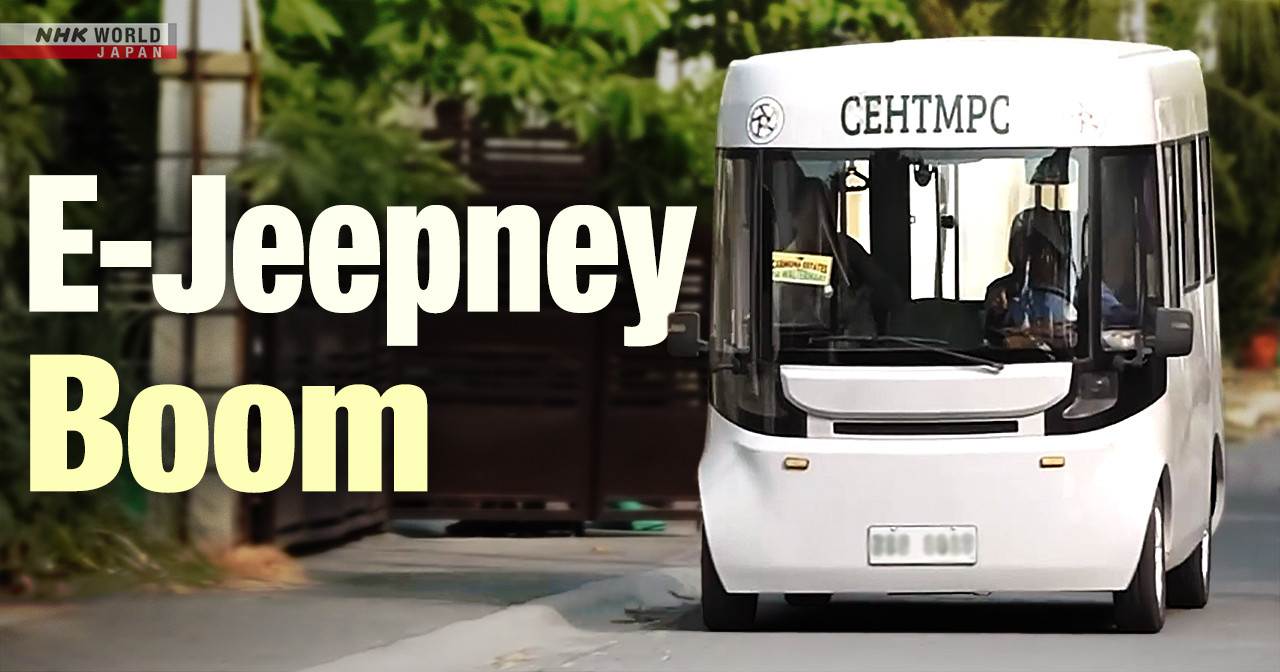


Millions of people across the Philippines rely on the jeepney — a colorful, open-air minibus — to get to and from work. But in recent months, they’ve had a harder time finding the iconic vehicles, with soaring gasoline and diesel prices forcing many jeepney drivers off the road. But where the traditional mode of transit has stalled, a Japanese startup has seen a big opportunity.
Fuel prices reshape transport
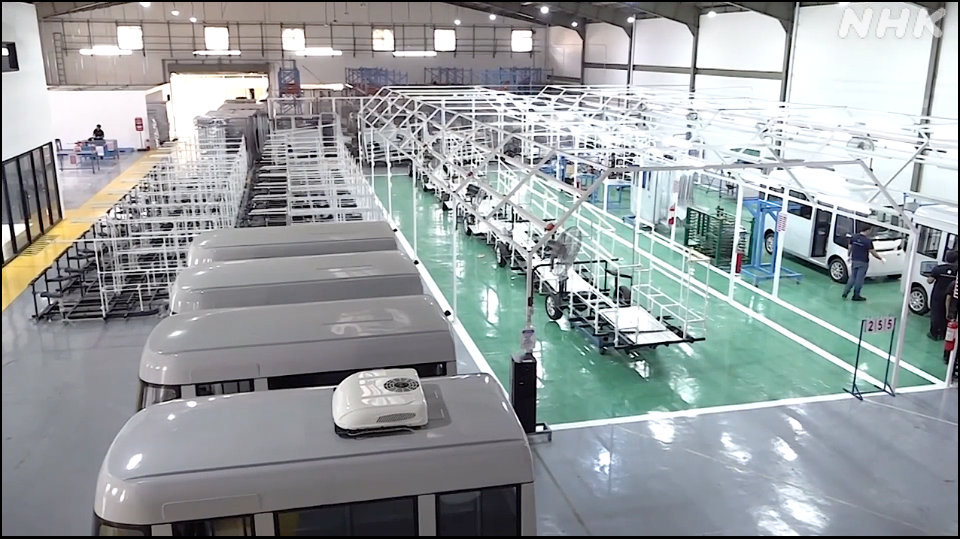
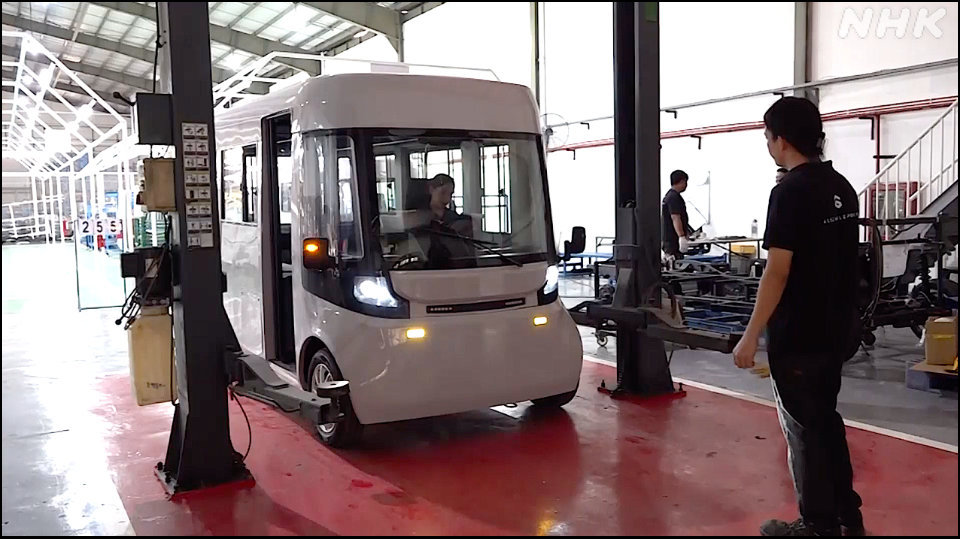
In February, ASSEMBLEPOINT, a Tokyo-based EV startup, opened a manufacturing plant just outside the capital Manila to assemble 10-seat electric minibuses in anticipation of a developing local market for light commercial EVs.
Almost immediately, the conflict in the Middle East culminated in the effective closure of the Strait of Hormuz. Global crude oil prices spiked, and in late March, President Ferdinand Marcos Jr. declared a “national energy emergency.”
The impact of the energy crunch was quickly felt on the streets, where a decline in jeepney services left many workers stranded.
For ASSEMBLEPOINT, however, the situation served as an unexpected catalyst. Inquiries from municipal governments and private fleet operators came flooding in, driving order volumes to five times their pre-conflict levels.
Production bottlenecks
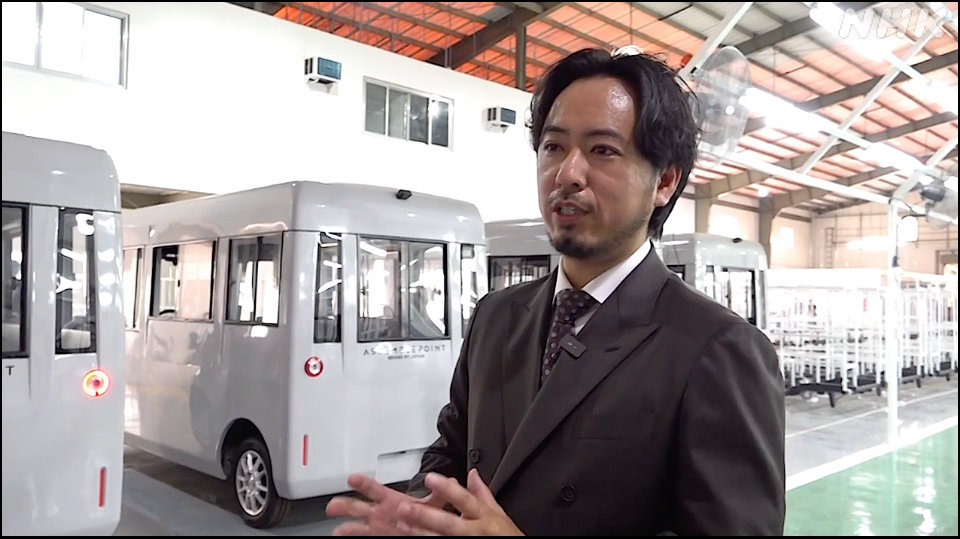
The sudden surge of interest is testing the limits of the young enterprise. Miyashita Takashi, the president of ASSEMBLEPOINT, acknowledged that the company is currently hamstrung by its manufacturing footprint, leaving it unable to fulfill immediate requests while it waits for its next consignment of imported components.
“It’s frustrating that we’re constantly in a sold-out situation,” Miyashita said.
Passengers welcome the change
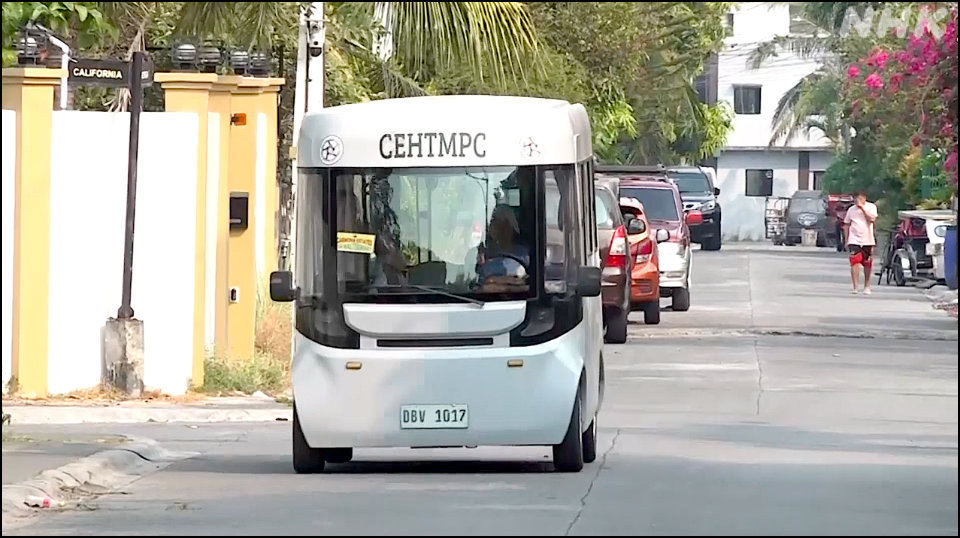
There are already roughly 100 e-jeepneys running on Philippine roads, making them an increasingly important means of transportation for residents.
One passenger offered promising feedback: “It’s small, but very comfortable.”
A driver was more effusive, noting that cutting out diesel expenses has made life easier. “Electric vehicles are just better,” the driver said.
Expanding beyond Manila
The company expects demand in the Philippines to continue growing and plans to expand its operations to outlying island regions, including Cebu.
“We hope to cover every last mile for people in the Philippines,” Miyashita said. “There are over 7,000 islands, and our goal is to deliver to all of them.”
With soaring fuel prices shifting the transportation landscape, the small company is doing all it can to make sure it doesn’t miss the bus.
Source link