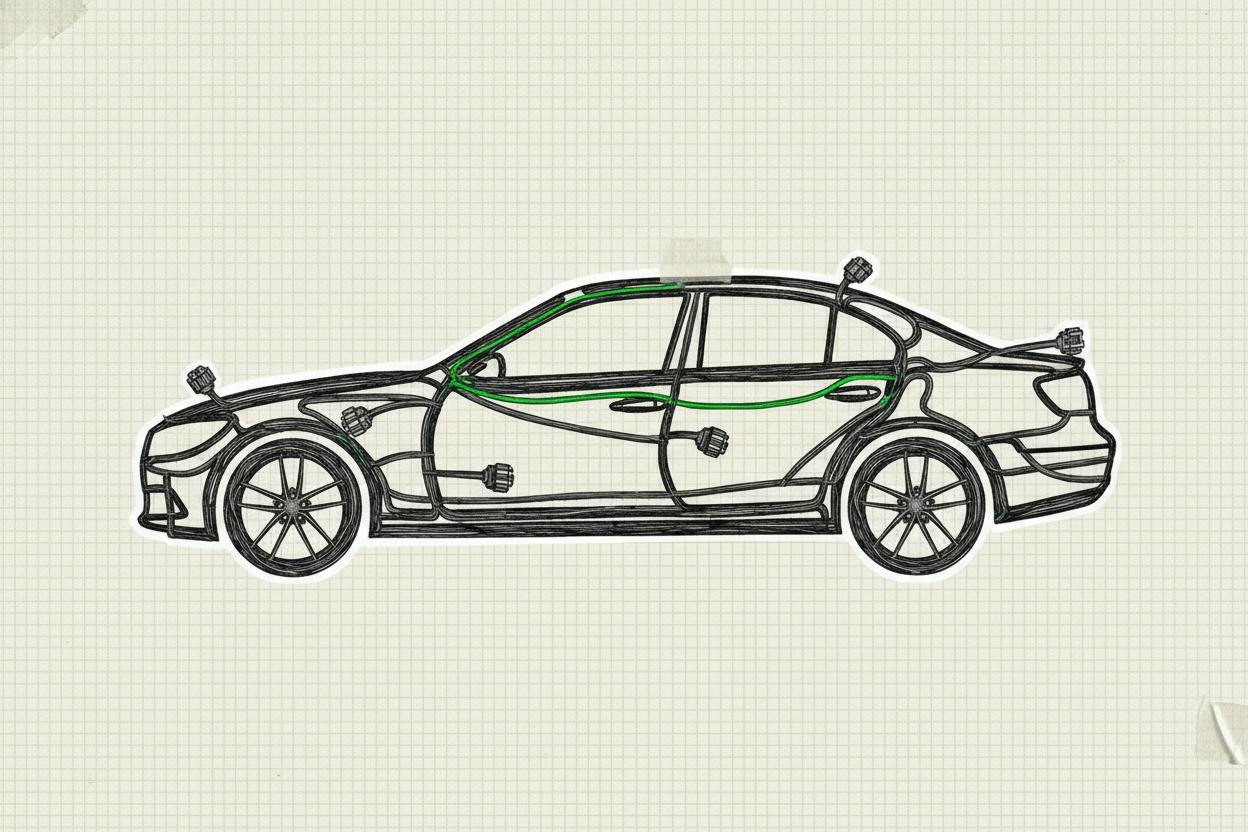
s leaning on partners to fill those gaps. Foxconn is supplying the vehicles’ “electrical architecture” (the wiring-and-software backbone), BMW is helping with engineering, and parts suppliers like Lear, Shin Young, Benteler, and Fangxin are setting up factories in Saudi Arabia with government incentives. That setup matters because making cars at scale depends less on a bold design and more on a reliable network that can deliver thousands of identical parts on time.
Ceer also says it plans a broader lineup, including plug-in hybrids and combustion-engine models, and wants to expand into nearby markets in 2028 before pushing across the Middle East and North Africa. In other words, the company is trying to de-risk a notoriously tough business by building an ecosystem first and widening its target customers.
Why should I care?
Zooming out: The supplier base, not the concept car, is the real test for 2027.
Saudi Arabia’s earlier car-building pushes stumbled on the same two issues: costs and a thin local supply chain. Ceer’s pitch is that it can change that math by bringing key suppliers onshore and borrowing know-how from established partners.
If those new Saudi plants can deliver production-ready parts at scale, Ceer’s early-2027 launch becomes more credible, and the five-model plan by 2030 looks less like a stretch goal. If they cannot, the project risks repeating history, because even well-funded automakers can miss timelines when logistics, quality control, and supplier coordination break down.