
When Jose Herrera started working on Horatio, plenty of people told him his vision for outsourcing would not work.
Traditional call centers were built around efficiency: rows of cubicles, tightly controlled employees, and a relentless focus on keeping costs down. Herrera wanted something closer to a Silicon Valley tech campus, except thousands of miles south.
Seven years later, the Miami-headquartered company has more than 3,500 employees, serves roughly 125 companies, and has reached nine figures in annual revenue, all without raising outside capital.
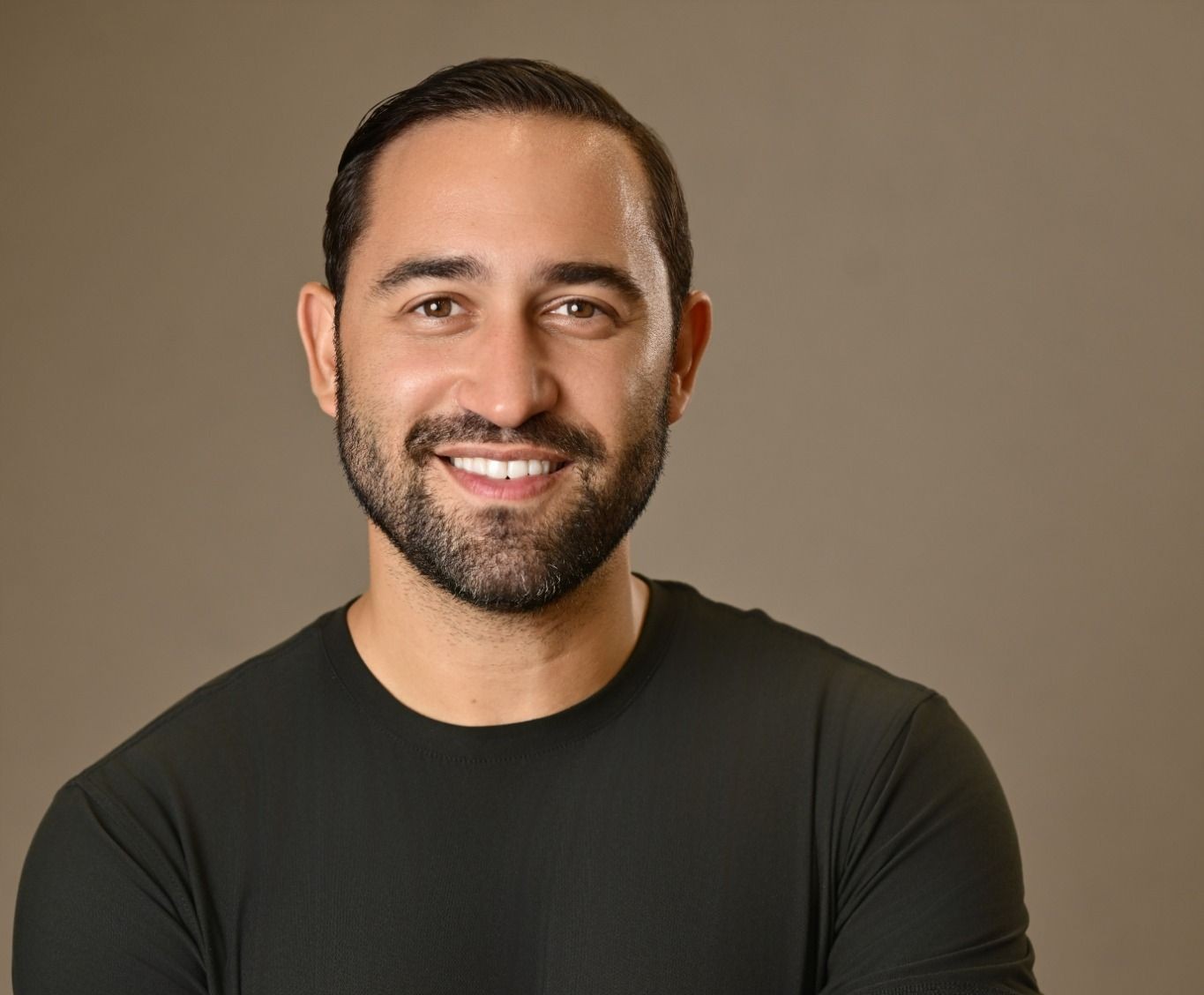
“We wanted every decision to be driven by what was best for the long-term health of the company,” Herrera [pictured above], the company’s co-founder and CEO, told Refresh Miami. “Bootstrapping forced us to stay very disciplined with how we deployed capital.”
Herrera’s path to outsourcing was hardly direct. He spent seven years at Morgan Stanley after starting his career at Goldman Sachs, then enrolled at Columbia Business School expecting to eventually return to finance. Working with startups changed his plans.
Again and again, Herrera saw companies build strong products while treating customer experience as an afterthought. He had also worked in customer service himself before moving to the U.S., giving him a firsthand look at an industry he believed was due for an overhaul.
Horatio’s answer was to build dedicated teams in Latin America that effectively become extensions of its clients. The company provides employees with benefits that Herrera said remain uncommon in the region, including health insurance, meals, gyms, career coaches, mental health support, and, at some locations, daycare.
The model appears to have stuck. Herrera said 98% of Horatio employees come through referrals, while 95% would recommend the company to a friend. On the client side, 77% expand their relationship with Horatio, and much of the company’s growth has come through word of mouth rather than major marketing spending.
That growth comes as AI raises a potentially existential question for customer-service companies: What happens when software can handle more customer interactions itself?
Herrera sees AI less as a replacement for people than a way to remove repetitive work.
“It’s not so much about human versus AI to me,” he said. “It’s about how can they work together.”
The distinction is becoming especially important as Horatio expands in fintech, its fastest-growing vertical. Herrera said fraud, compliance, and identity verification are growing more complex alongside the sector, leaving plenty of decisions where trained humans remain critical.
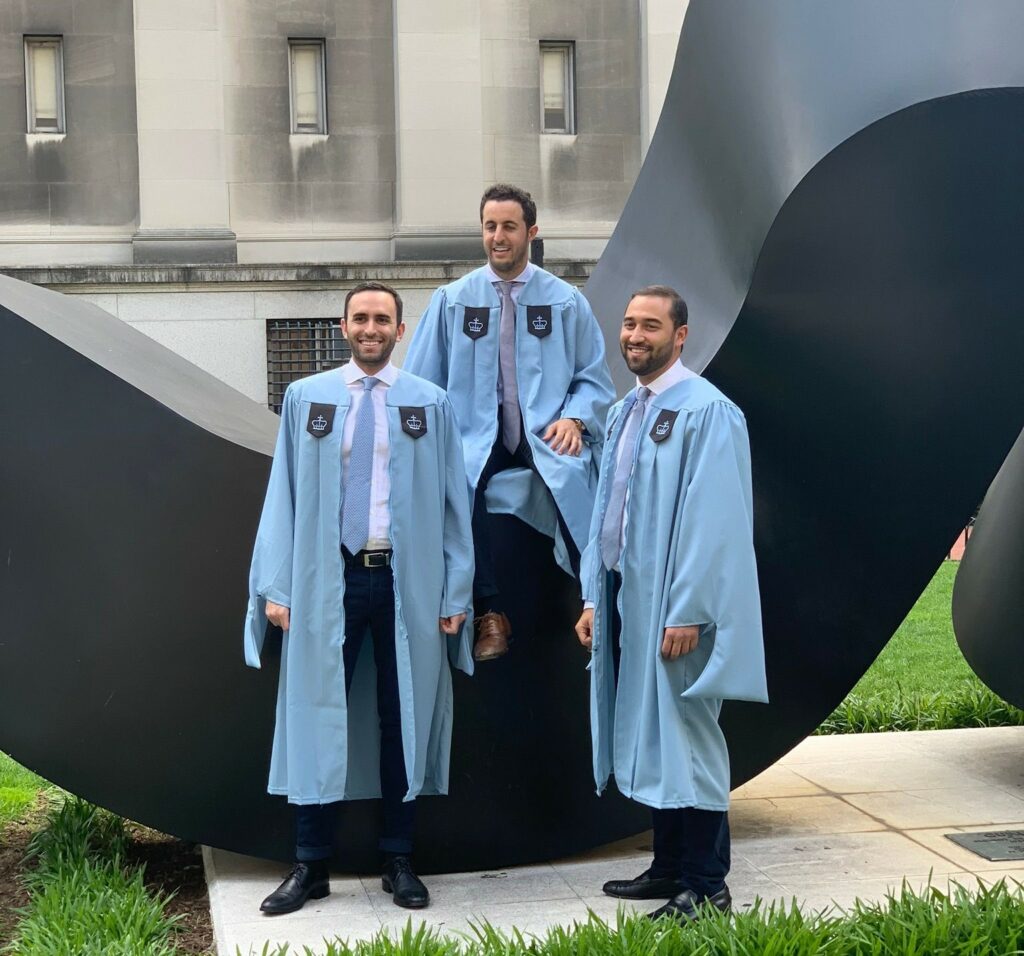
Horatio, co-founded with CFO Jared Karson and COO Alex Ross, now operates across the Dominican Republic, Colombia, and Honduras, alongside its Miami headquarters. For Herrera, those offices may be a better measure of progress than the revenue figure.
He recalled recently walking through Horatio’s new Honduras location and watching employees react to a workplace unlike anything they had encountered locally.
“Every time you walk into one of our offices, whether it’s in the DR or Colombia or Honduras, it’s the same energy,” Herrera said. “The same positivity, the same level of happiness, which means that we’re doing something right.”
Horatio co-founders, left to right: Jared Karson (CFO), Alex Ross (COO), and Jose Herrera (CEO) on their Columbia University graduation day.
READ MORE IN REFRESH MIAMI:
I am a Miami-based technology researcher and writer with a passion for sharing stories about the South Florida tech ecosystem. I particularly enjoy learning about GovTech startups, cutting-edge applications of artificial intelligence, and innovators that leverage technology to transform society for the better. Always open for pitches via Twitter @rileywk or www.RileyKaminer.com.
Source link