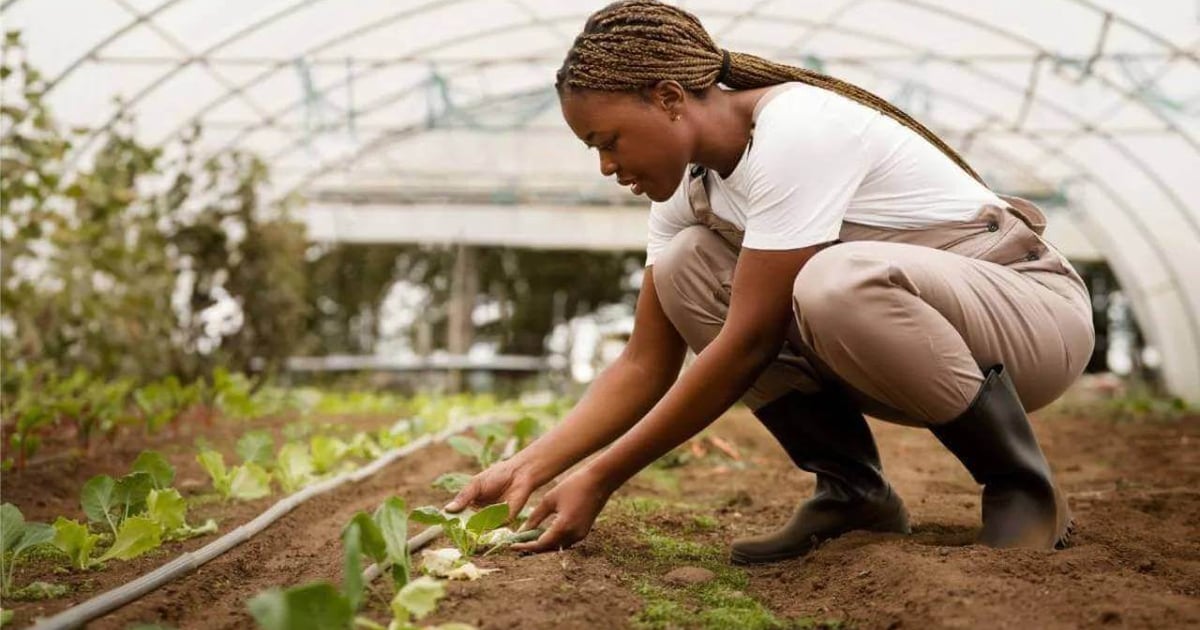
Africa’s agritech ecosystem is spearheading a transformative agricultural revolution, one that has the potential to reshape food production, improve rural livelihoods and drive sustainable economic growth across the continent.
This marks a significant departure from previous decades, when agricultural development was constrained by fragmented value chains, limited access to financing and heightened vulnerability to climate-related challenges.
Today, the sector is increasingly defined by the adoption of AI, digital platforms, precision agriculture tools and data-driven decision-making that empower farmers to improve productivity, adapt to climate risks and access new markets.
In 2026, AI is playing an increasingly pivotal role in the sector, enabling solutions such as predictive yield forecasting, soil health analysis, climate-smart advisory services, automated farm monitoring and digital financial inclusion.
These innovations are helping address longstanding inefficiencies while making agricultural systems more resilient, productive and commercially viable for millions of smallholder farmers.
Connecting Africa has compiled a list of four agritech startups that use AI to do great things in the communities they serve.
1. Amini
Founded in 2022 by former Nvidia executive Kate Kallot, Nairobi-based Amini is a deep-tech startup developing Africa’s environmental data infrastructure through the use of AI and satellite technology.
The company is tackling the continent’s persistent environmental data gap by generating highly localized insights on soil health, crop performance, water stress and climate patterns – enabling more informed decision-making across the agricultural value chain.
Within just three years of its launch, Amini expanded its footprint to 25 countries and secured a US$4 million seed funding round led by Salesforce Ventures, underscoring growing investor confidence in its mission and technology.
Through its AI-powered platform, Amini collects, processes and analyzes vast amounts of environmental and agricultural data, including crop health, soil conditions, weather trends, water resources and land-use patterns.
These insights are transformed into actionable intelligence that help farmers, agribusinesses, governments and insurers improve productivity, manage risk and build climate resilience.
2. Clisense
Clisense is an agritech startup in Nigeria and Rwanda that leverages data science, AI and climate analytics to help smallholder farmers anticipate, manage and adapt to climate-related threats, including floods, disease outbreaks and extreme weather events.
Founded by Ayomide Agbaje in December 2023, the company was inspired by his firsthand experience of devastating floods destroying crops in his hometown in Nigeria, as well as similar climate challenges faced by farming communities in Rwanda.
In response, Agbaje developed a platform that transforms complex satellite and climate data into practical, actionable insights for farmers.
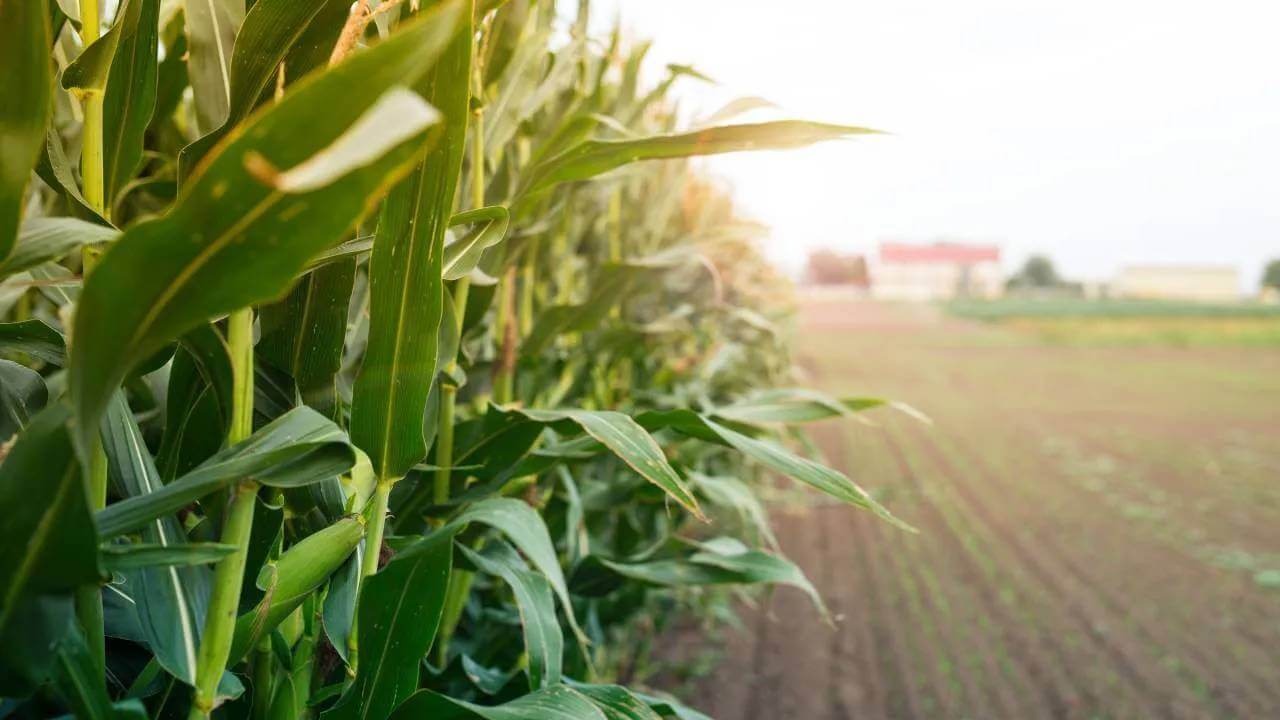
AI is reshaping African agriculture, with agritech startups empowering farmers through smarter decision-making, greater efficiency and improved access to finance and markets. (Source: Image by aleksandarlittlewolf on Magnific)
By combining AI, geospatial intelligence and predictive analytics, the startup enables farmers to make more informed decisions, strengthen climate resilience and reduce agricultural risks.
Through its digital platform, Clisense delivers hyperlocal weather forecasts, climate-risk assessments, early warning alerts for extreme weather conditions and tailored recommendations on climate-smart farming practices.
Ultimately, the company’s mission is to bridge the gap between complex climate information and everyday farming decisions, empowering smallholder farmers with the timely insights they need to protect their crops, improve productivity and build long-term resilience in a changing climate.
3. AquaTrack
AquaTrack is a Nigerian agritech startup transforming the aquaculture sector through an AI-powered farm management platform designed to help fish farmers improve productivity, profitability and sustainability.
Founded by sisters Deborah Falope and Busola Falope in 2022, the company was created to address some of the industry’s most pressing challenges, including poor farm management, high fish mortality rates, limited market access and inadequate record-keeping.
The platform combines AI, farm management software and digital marketplace tools to give fish farmers greater visibility and control over their operations.
Its features include pond monitoring, water-quality tracking, inventory management, feeding and mortality records, financial management tools and direct access to buyers through an online seafood marketplace.
AquaTrack also offers an AI-powered assistant, accessible through both the mobile application and WhatsApp, which provides farmers with real-time recommendations, operational insights and decision-support tools.
By digitizing fish farming operations and improving market connectivity, AquaTrack is helping build a more efficient, profitable and sustainable aquaculture ecosystem across Africa.
4. MazaoHub
MazaoHub is a Tanzanian agritech company that has developed an AI-powered agriculture operating system designed to support farmers, agronomists, agro-dealers, cooperatives, food processors, financial institutions, and other stakeholders across the agricultural value chain.
Founded in 2021 by Geophrey Tenganamba and Josephat Adelard Urassa, the startup operates a distinctive tech and touch model, combining AI-driven soil intelligence and digital farm management tools with hands-on agronomic support delivered through its network of Farmer Excellence Centers.
Through its platform, MazaoHub enables users to manage the entire agricultural lifecycle, from soil testing and crop planning to harvest management and market access.
The solution also offers a comprehensive suite of tools for farm monitoring, agronomy support, traceability, financial management, yield forecasting and supply chain optimization.