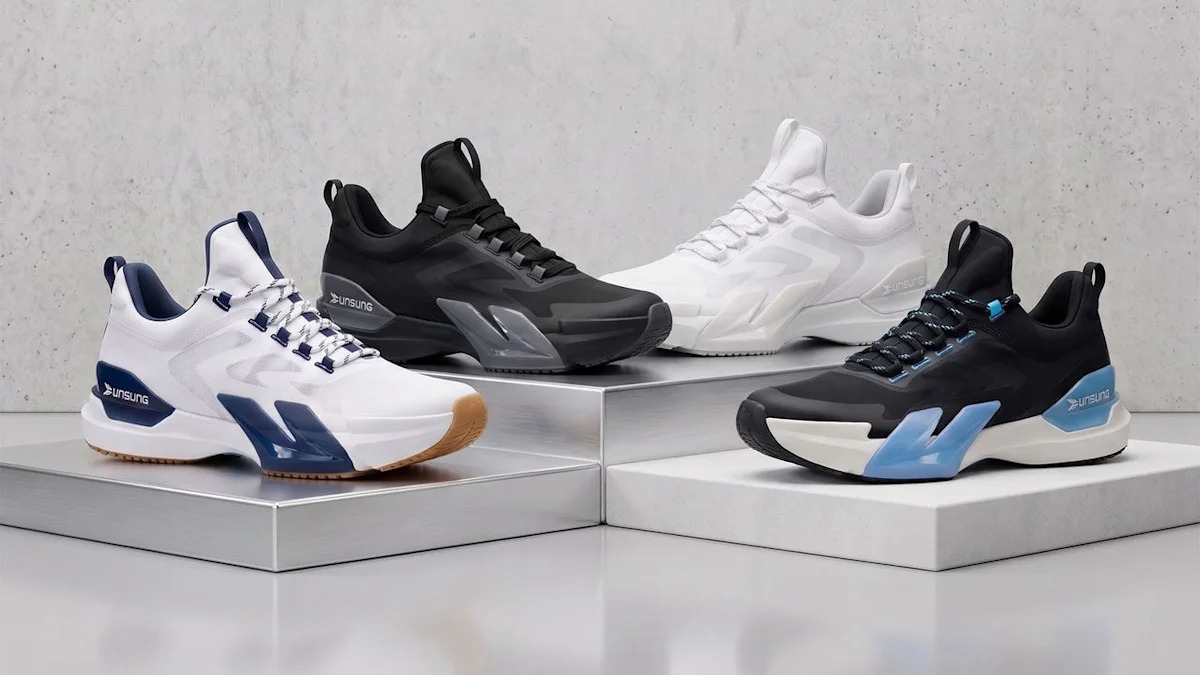
The athletic footwear market is as competitive as the customers it serves. Brands like Nike, Adidas, Under Armour, and New Balance, along with relative newcomers such as Hoka and On Cloud, make shoes for almost anyone and everyone participating in various sports.
Most Read from Fast Company
But a few former athletes and footwear industry veterans see daylight in the market and are launching a new brand to serve it.
Meet Unsung, a Boston-based company founded by former college athletes Dennis Baldwin, Jody O’Neill, and Brianna Henley.
It spent the last two years developing and testing a new type of training shoe and is now releasing the “Snapback Trainer,” designed specifically for young athletes specializing in or training for sports such as hockey or lacrosse.
That training often involves a lot of side-to-side, lateral, and explosive movements, and Baldwin says the multitude of training shoes on the market simply weren’t built to accommodate those athletes.

“We were looking at the way young athletes are training, and looking at the shoes that are being worn,” Baldwin says. “They’re typically wearing running shoes, which aren’t necessarily great for the type of training they are doing—lateral movements, doing things under weight loads. We needed something lightweight and responsive.”
“We saw a gap in the market, so we designed a product that fits,” he adds.
The three founders teamed up to design the new product. Baldwin and Henley had both previously held senior roles at Reebok, and Baldwin had also worked with O’Neill at VC firm Breakaway Ventures. As it turned out, their instincts were correct.
“The energy in the market has been focused on the millennial doing boutique fitness classes; the shoe built specifically for athletes training for sports didn’t exist,” says O’Neill. “I called up some coaches and trainers working specifically with athletes, between 12 and 24 years old, and they unanimously agreed that they didn’t have the right equipment.”
The right moment to take on bigger brands
Henley says there were signs that the larger and more established brands were weakening, adding more credence to the idea that the new brand could succeed.
“What we’ve seen in the last five, 10 years, is that the incumbent brands have been threatened by upstarts,” she says, such as On Cloud or HOKA.


