One of the biggest hurdles to widespread electric vehicle adoption may be closer to being solved.
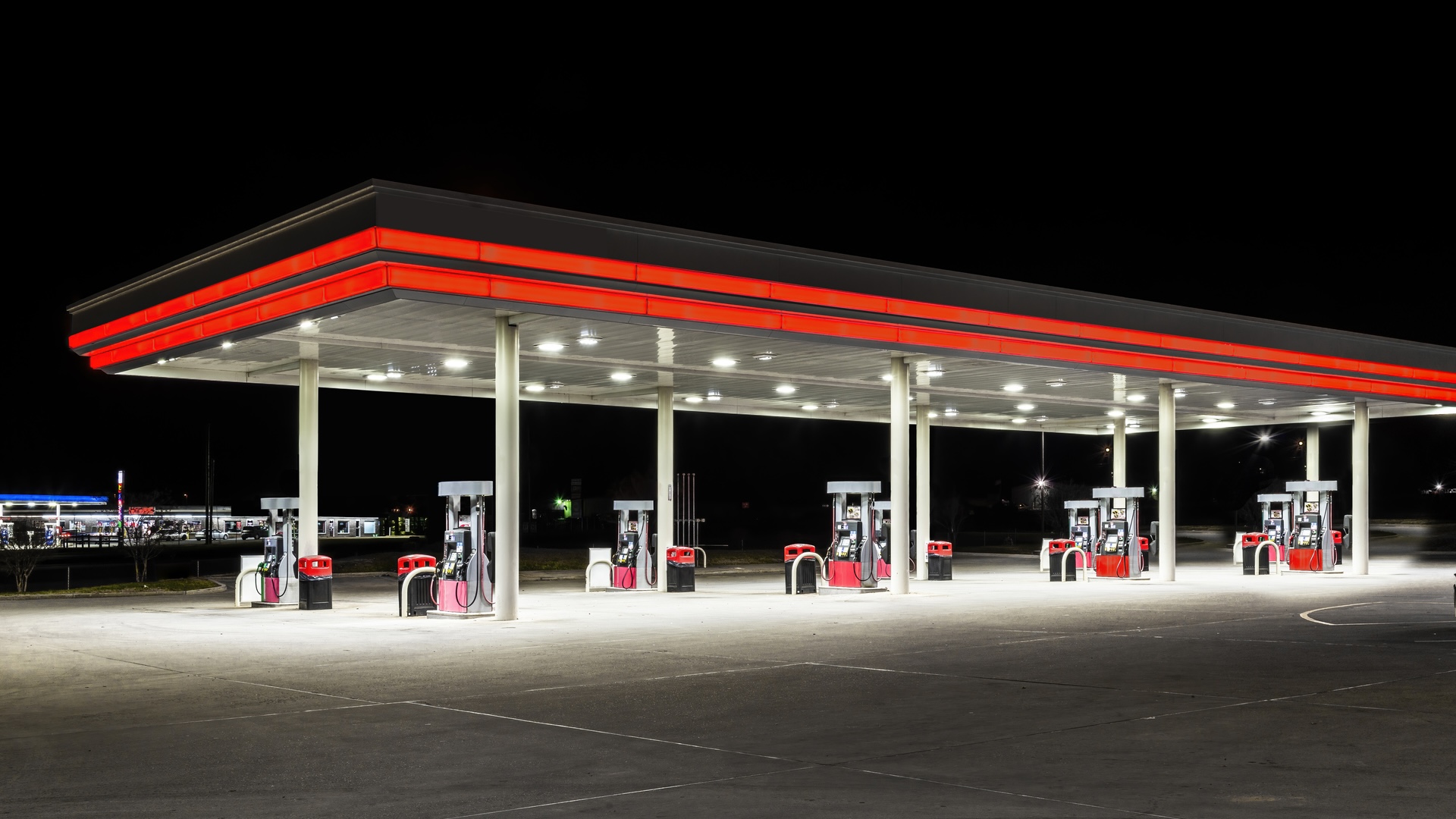
Climate technology startup ElectricFish is rolling out a new kind of EV fast charger designed to bring high-speed charging to remote gas stations and other locations where traditional installations have struggled.
ElectricFish is building an AI-driven energy network that pairs fast EV charging with built-in battery storage, allowing stations to operate without pulling massive amounts of power from the grid, according to its LinkedIn page.
The goal is to eliminate infrastructure bottlenecks that have slowed EV adoption, especially in regions with limited charging access.
Transportation is a major source of climate pollution, accounting for 28% of planet-warming gas emissions in the U.S, according to the Environmental Protection Agency.
While EVs can significantly reduce transport-related pollution, many drivers still cite limited public charging availability — particularly in states like Kansas, Montana, Idaho, and Nebraska with little public charging infrastructure — as a major hurdle to making the switch, according to a J.D. Power report.
ElectricFish told CarScoops that conventional DC fast chargers often cost more than $150,000 per port and can take over a year to install due to grid upgrades, permits, and testing. The company’s tech changes that equation.
Unveiled at CES 2026, the 400squared Charger includes a 400-kilowatt-hour battery and two 400 kW charging ports.
Instead of drawing peak power directly from the grid, the charger slowly fills its internal battery using about 10% to 30% of the electricity required by traditional fast chargers, roughly 30 kW or less.
That stored energy is then delivered to EVs at high speeds. With a fraction of the energy demand, it enables installations in as little as four to six weeks rather than 12 to 18 months.
TCD Picks » Upway Spotlight
💡Upway makes it easy to find discounts of up to 60% on premium e-bike brands
A typical 10-minute charging session can add up to 200 miles of range, more than enough for the average American’s daily drive of 40 miles, per Replica.
Backed by five issued U.S. patents, ElectricFish’s Reef management system and Stargazer AI platform optimize charging, energy storage, and grid interaction. The system can also store electricity when prices are low and sell it back to utilities during periods of high demand.
“We don’t sell EV chargers or batteries; we sell time and uptime,” said Nelio Batista, ElectricFish CTO and co-founder. “We’ve decoupled charging speed from grid limits by actively managing when energy flows in or out, so fast charging strengthens the grid instead of destabilizing it.”
This less energy-intensive charging approach could help limit rising global temperatures by slashing emissions by 60% and boosting ease of use for EVs, which promotes the adoption of vehicles that produce zero tailpipe pollution and have a significantly lower environmental impact over their lifetimes than gas-powered cars.
ElectricFish has already partnered with Hyundai and installed a charger at the automaker’s California Proving Ground, where it delivered what the company calls “peak charging power” during triple-digit summer temperatures.
If the model is adopted at scale, it could make EVs more accessible to everyone.
Get TCD’s free newsletters for easy tips to save more, waste less, and make smarter choices — and earn up to $5,000 toward clean upgrades in TCD’s exclusive Rewards Club.