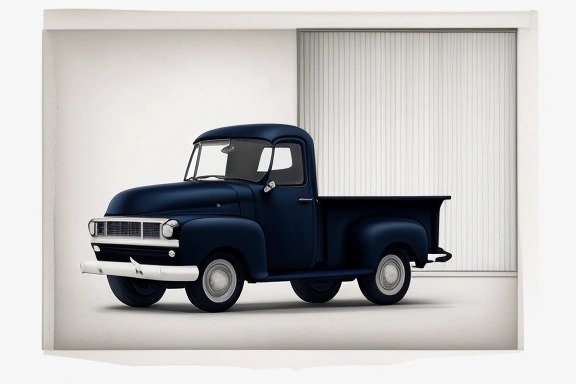
Backed by Jeff Bezos, Slate Auto is building a stripped-down electric pickup that ditches screens and power windows to hit a $25,000 price point.
Walk into any new car dealership today and you will find something startling. The average transaction price has climbed above $50,000, and the typical monthly loan payment now exceeds $770. Automakers have responded to this affordability crisis by loading vehicles with technology and passing the cost onto buyers. Slate Auto is attempting the exact opposite. The secretive startup, bankrolled by Amazon founder Jeff Bezos, is preparing to launch an electric pickup that is deliberately unfinished.
When a journalist from Business Insider recently visited a prototype in New York City, the company showcased a vehicle that feels genuinely counter-cultural. There is no center infotainment screen, no standard audio speakers, and no power windows. Drivers roll them down by hand. The idea is not nostalgia for its own sake. It is a calculated strategy to eliminate complexity, reduce manufacturing costs, and hit a price tag of roughly $25,000.
The name is a literal description of the product. Every vehicle ships in slate gray as a blank foundation. Buyers can then customize the truck using aftermarket accessories, wrapping the exterior panels in a matter of hours or installing a second-row bench seat. A planned conversion kit turns the pickup into an SUV for an additional $5,000. The company claims its vehicle uses significantly fewer parts than traditional cars, which simplifies the supply chain and limits exposure to global trade disruptions.
Slate’s approach is notably well timed. While legacy automakers are scrambling to absorb the cost of new import tariffs on battery components and raw materials, Slate has structured its domestic supply chain to insulate itself. The vehicle is assembled in a small Indiana factory using a blend of human and robotic labor, and the battery is sourced entirely within the United States. Company representatives have noted that federal tax credits were never part of their financial modeling, making Slate less vulnerable to shifting political winds in Washington.
That resilience matters because the broader EV market is currently facing significant headwinds. Major manufacturers including Ford and General Motors have scaled back or delayed their electric vehicle targets over the past year, citing cooling consumer demand and high borrowing costs. A vehicle that avoids the pricing trap of its competitors has a clear structural advantage, assuming it can reach production at scale.
The Leadership Question
Despite the compelling product narrative, the company has faced internal turbulence at a critical moment. Christine Barman served as the chief executive from May 2022 until early March 2026, steering the company through its secretive development phase and acting as its primary public voice. Her sudden departure, announced mere months before the planned launch, raised questions about the stability of the executive team.
Replacing a CEO during the final stretch before a product release is a risk. Startups in the hardware sector face intense pressure to meet production deadlines, secure final funding rounds, and manage supplier relationships flawlessly. Any misstep during this transition period can delay deliveries and erode buyer confidence, which is exactly what an unproven automotive brand cannot afford.
Still, the underlying thesis is difficult to argue against. Consumers are priced out of the new car market, and the used market remains inflated. If Slate can deliver a road-legal, functional electric truck for half the cost of the average new vehicle, the lack of a built-in navigation screen will feel like a minor sacrifice. The startup is betting that a significant portion of the market wants affordable utility over digital luxury. If that bet pays off, it will force the rest of the industry to reconsider the ever-growing sticker prices they have normalized.