Why Did Parker’s Bankruptcy Draw Attention?
Parker, a fintech startup that offered corporate credit cards and banking services to e-commerce businesses, has filed for Chapter 7 bankruptcy protection after reports that it has shut down.
The filing marks a sharp reversal for a startup that had raised significant backing and had pitched itself as a financial operating layer for online merchants. Parker was part of Y Combinator’s winter 2019 cohort, and its Series A round was led by Valar Ventures. The company came out of stealth in 2023 with a corporate credit product built specifically for e-commerce companies.
At launch, Parker argued that traditional underwriting did not properly capture the cash flow pattern of online sellers, whose revenue, inventory cycles, ad spending, and platform payouts can differ from conventional small businesses. Co-founder and CEO Yacine Sibous said at the time that Parker’s “secret sauce” was an underwriting process designed to assess those cash flows more effectively.
The company’s website remains online and does not mention a shutdown. A banner at the top still says Parker has raised more than $200 million in total funding, including a $125 million lending arrangement. That public-facing message now sits uneasily beside the bankruptcy filing and customer reports that the credit card program has ended.
What Does the Chapter 7 Filing Show?
Parker’s May 7 Chapter 7 filing gives the clearest formal evidence of the company’s financial trouble. The filing states that Parker has between $50 million and $100 million in assets and liabilities in the same range. It also lists between 100 and 199 creditors.
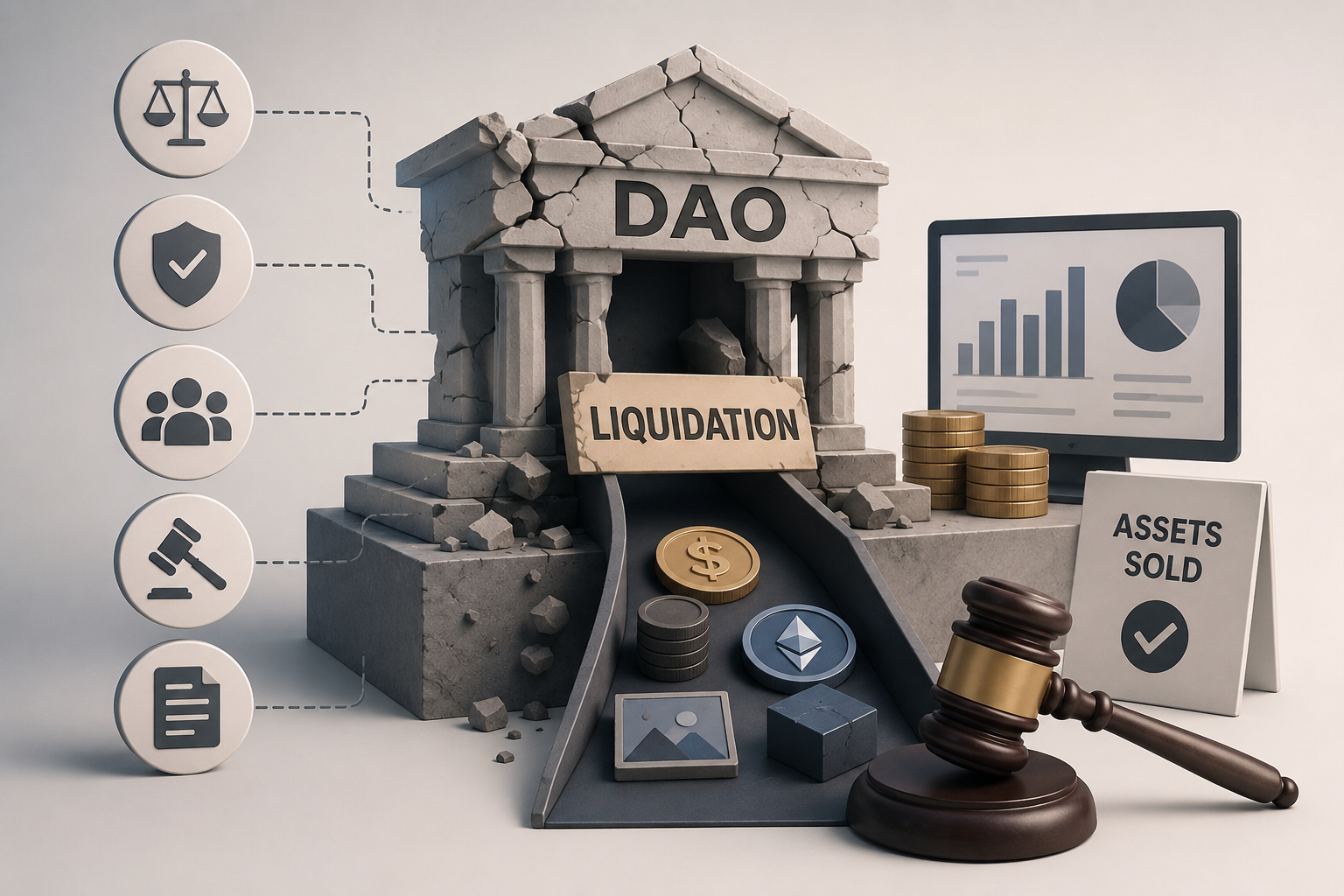
Chapter 7 usually points to liquidation rather than reorganization. For a fintech that served small businesses, that creates practical questions around customer balances, credit access, repayment obligations, vendor claims, and the handling of accounts tied to partner banks.
The shutdown has not been directly acknowledged on Parker’s website. But multiple social media posts say Parker’s credit card partner Patriot Bank sent a message to customers this week confirming that the program had shut down. Competitors quickly used the news to court former Parker customers, showing how exposed e-commerce merchants can be when a financial provider exits abruptly.
Sibous has not explicitly confirmed the shutdown or bankruptcy on LinkedIn. In a recent post, he repeated the company’s claim that it had raised more than $200 million and said it had reached $65 million in revenue. He also wrote that, if starting over, he would do some things differently, including: “Avoid over-hiring, reactive decisions, and doomsayers.”
Investor Takeaway
Parker’s collapse shows how quickly fintech risk can move from funding headlines to customer disruption. A large funding figure and revenue growth did not prevent the company from landing in liquidation proceedings.
Why Does This Matter for Fintech Banking Partnerships?
Parker’s business relied on bank partners to deliver regulated financial services. That structure is common across fintech, where startups handle product design, customer acquisition, software, and underwriting models while banks provide the regulated rails behind accounts, cards, and money movement.
That model can scale quickly, but it also creates shared risk. When a fintech fails, customers may not immediately know which entity controls their account, who is responsible for communications, how card access will be handled, or whether alternative services will be offered. The issue becomes sharper when the customer base includes small businesses that rely on credit lines for inventory purchases, advertising spend, and daily cash flow.
Fintech consultant Jason Mikula claimed that Parker had been in talks over a potential acquisition, and that the failure of those talks led to the abrupt shutdown. He said the situation left small business customers in a difficult spot and raised questions about oversight by banking partners Piermont and Patriot.
Those comments point to a broader concern for fintech investors and regulators. Banking-as-a-service arrangements can give startups speed, but they also require tight controls over program health, customer communications, compliance, and contingency planning. When a startup offering business-critical financial products fails suddenly, the effects can land first on customers rather than venture backers.
What Are the Implications for E-Commerce Credit Products?
Parker’s bankruptcy comes at a time when e-commerce finance remains a difficult market. Merchants often need flexible credit because cash is tied up in inventory, fulfillment, platform fees, and digital advertising. But underwriting those businesses can be risky, especially when sales depend on volatile ad costs, marketplace rules, consumer demand, and seasonal purchasing patterns.
Parker built its pitch around solving that problem with better data and a sharper reading of e-commerce cash flows. Its bankruptcy suggests that even a targeted underwriting model can struggle if growth, credit exposure, funding costs, operating expenses, or acquisition outcomes move against the company.