In the technology industry, innovation is often measured by speed. New platforms emerge rapidly, trends shift constantly, and businesses race to adapt before markets move on. Yet, very few entrepreneurs manage to build relevance across multiple technological eras while continuing to anticipate what comes next.
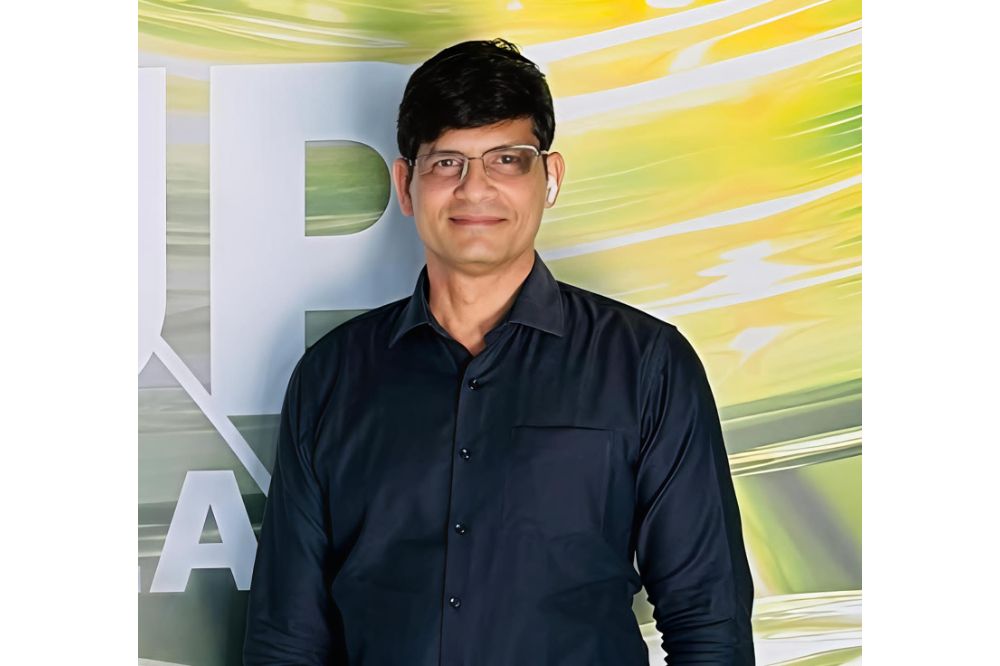
That is what makes Prabind Kumar Singh an interesting figure in India’s evolving digital ecosystem.
Over the last two decades, Singh’s work has moved through several phases of technological transformation, from early cloud computing to education technology and, more recently, AI-driven digital security. What connects these phases is not simply diversification, but a recurring pattern of identifying technological shifts before they become mainstream.
His early involvement with Nivio between 2006 and 2009 came at a time when cloud computing was still unfamiliar to much of the market. The platform enabled remote desktop access years before remote infrastructure became a global standard. Its innovation later received international recognition at the World Economic Forum, where Nivio was honoured with the Technology Pioneer Award.
That early exposure to scalable digital infrastructure appears to have shaped Singh’s broader approach to technology development.
In 2009, he entered the education technology sector through iBerry Solutions, where he developed EBerry-EdBook, an AI-driven learning platform designed to go beyond digitising classrooms. The idea was centred on predictive learning, using technology to understand and anticipate educational pathways rather than simply deliver static content.
At a time when EdTech was still largely focused on accessibility and digital distribution, the concept reflected a more forward-looking understanding of personalised learning. The company eventually scaled into a multi-million-dollar enterprise, reinforcing Singh’s ability to convert technological ideas into commercially viable systems.
But perhaps the more significant aspect of his journey is the continuity of innovation across sectors.
With the launch of Europa Technosoft Pvt. Ltd. in 2012, Singh shifted towards building integrated, product-led digital ecosystems. One of the company’s major initiatives, UROBOARD, combined hardware, cloud infrastructure, and intelligent interfaces to improve institutional learning environments at scale.
At the same time, he also identified another growing challenge in the digital economy: security infrastructure.
As institutions became increasingly dependent on connected systems, the need for intelligent, real-time monitoring solutions began to expand rapidly. This led to the development of UROSECURE, an AI-powered security platform designed for educational institutions, corporate environments, and government facilities.
Within that ecosystem, UROFACE emerged as a facial recognition solution capable of identifying unknown individuals in seconds. More importantly, the platform was developed with an emphasis on indigenous technology and data sovereignty, reflecting a broader shift toward secure domestic digital infrastructure at a time when concerns around compliance, privacy, and dependence on foreign systems continue to grow globally.
What distinguishes Singh’s work is not simply the number of ventures he has built, but the way each phase aligns with larger technological transitions. From cloud infrastructure to AI-enabled education and digital security, his focus has consistently remained on scalable systems designed for long-term institutional use rather than short-term market trends.
That distinction matters increasingly in today’s technology environment.
Much of the startup ecosystem is driven by rapid valuation cycles and immediate consumer adoption. But sustainable technological impact often comes from infrastructure-oriented innovation, systems that quietly integrate into institutions, operate at scale, and solve long-term operational challenges.
With worldwide demand increasing for secure, intelligent, and adaptable digital infrastructure, Singh is now exploring opportunities to expand his technologies into international markets, particularly in the United Kingdom and Europe.
His long-term vision is to build globally scalable platforms that support educational institutions, enterprises, and public-sector organisations while maintaining a strong foundation in innovation, security, and operational excellence.
And in an industry defined by constant disruption, the ability to remain relevant across multiple waves of technological change may ultimately be one of the strongest indicators of lasting innovation.
Disclaimer: The views expressed in this article are those of the author/authors and do not necessarily reflect the views of ET Edge Insights, its management, or its members.