Elon Musk just cleared a major regulatory hurdle. The Federal Trade Commission approved his acquisition of Mesh Optical Technologies, a data center connectivity startup founded by SpaceX veterans that emerged from stealth just four months ago with $50 million in Series A funding. The deal marks Musk’s latest expansion beyond his electric vehicle and space empires into the infrastructure powering AI’s explosive growth.
The Federal Trade Commission just waved through what could become one of Elon Musk’s most strategic acquisitions yet. Mesh Optical Technologies, a stealthy data center connectivity startup founded by former SpaceX engineers, is now headed into Musk’s sprawling technology empire after receiving regulatory clearance.
The timing tells you everything. Mesh only emerged from stealth in February 2026 with a substantial $50 million Series A round, according to TechCrunch. Four months later, Musk’s already scooping it up with FTC blessing. That kind of velocity suggests either Musk was an early backer positioning for acquisition, or Mesh’s technology proved immediately critical to his broader infrastructure ambitions.
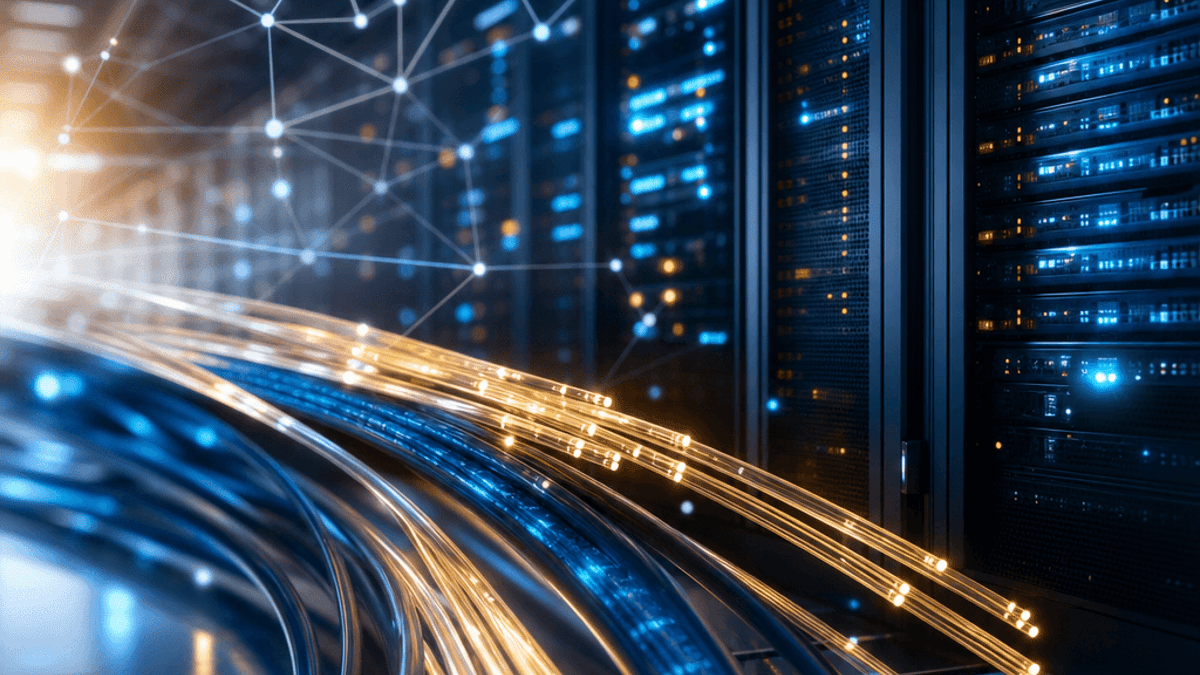
The company’s pedigree matters here. When SpaceX alumni strike out on their own, they typically bring hard-won expertise in pushing physical systems to their limits. Mesh appears focused on optical technologies for data center interconnects – the high-speed links that let massive computing facilities talk to each other. It’s precisely the kind of infrastructure bottleneck that becomes glaringly obvious when you’re trying to train frontier AI models or coordinate distributed computing at scale.
And Musk needs that infrastructure badly. His xAI venture is racing to build what he’s called the world’s most powerful AI training cluster. Tesla continues expanding its Dojo supercomputer for autonomous driving training. Both efforts devour connectivity bandwidth like nothing else in computing. Bringing optical networking expertise in-house makes strategic sense when you’re building data center capacity at the pace Musk operates.
The FTC’s quick approval is notable in itself. Regulatory scrutiny of tech acquisitions has intensified dramatically, with the agency blocking or challenging deals that concentrate market power. That Mesh sailed through suggests either a modest acquisition price, limited competitive concerns in the nascent optical data center space, or both. The lack of a lengthy review period implies the deal didn’t trigger the kind of red flags that have delayed other tech M&A.
For the optical networking market, this acquisition signals where the puck is heading. Data center operators are desperately seeking alternatives to traditional electrical interconnects as AI workloads push bandwidth requirements into the stratosphere. Optical technologies promise higher speeds with lower power consumption – critical factors when you’re running facilities that consume as much electricity as small cities.
Mesh’s SpaceX DNA likely influenced its approach. SpaceX transformed space launch economics by vertically integrating everything from rocket engines to avionics. Mesh’s founders probably saw a similar opportunity in data center infrastructure – building optical systems end-to-end rather than cobbling together components from multiple vendors. That philosophy aligns perfectly with Musk’s operational playbook.
The broader context makes this move look prescient. Nvidia’s latest data center revenue projections show AI infrastructure spending accelerating, not plateauing. Hyperscalers like Amazon Web Services, Microsoft Azure, and Google Cloud are all scrambling to build out capacity. A startup with novel optical interconnect technology becomes instantly valuable when the alternative is waiting 18 months for legacy vendors to catch up.
What’s less clear is how Mesh integrates into Musk’s empire. Does it become part of xAI’s infrastructure stack? Does Tesla absorb it for Dojo expansion? Or does Musk spin it into a standalone business selling to the broader market – essentially competing with the hyperscalers while also supplying them? His track record suggests he’ll try some combination that keeps competitors perpetually off-balance.
The $50 million Series A from February now looks like a pittance compared to what Mesh likely commanded in acquisition talks. Early investors just saw a remarkably quick exit – though the terms remain undisclosed. That kind of rapid return will only encourage more capital to flow into infrastructure startups targeting AI’s insatiable resource demands.
Musk’s acquisition of Mesh Optical Technologies reveals the next battlefield in tech infrastructure. As AI workloads explode and data centers strain under unprecedented demand, control over the plumbing becomes as valuable as the chips and algorithms themselves. The FTC’s swift approval hands Musk a meaningful edge in that race – veteran engineering talent, novel optical technology, and the ability to vertically integrate yet another piece of the stack his AI and autonomous vehicle ambitions depend on. Expect more SpaceX alumni startups to find eager acquirers as the infrastructure arms race intensifies.