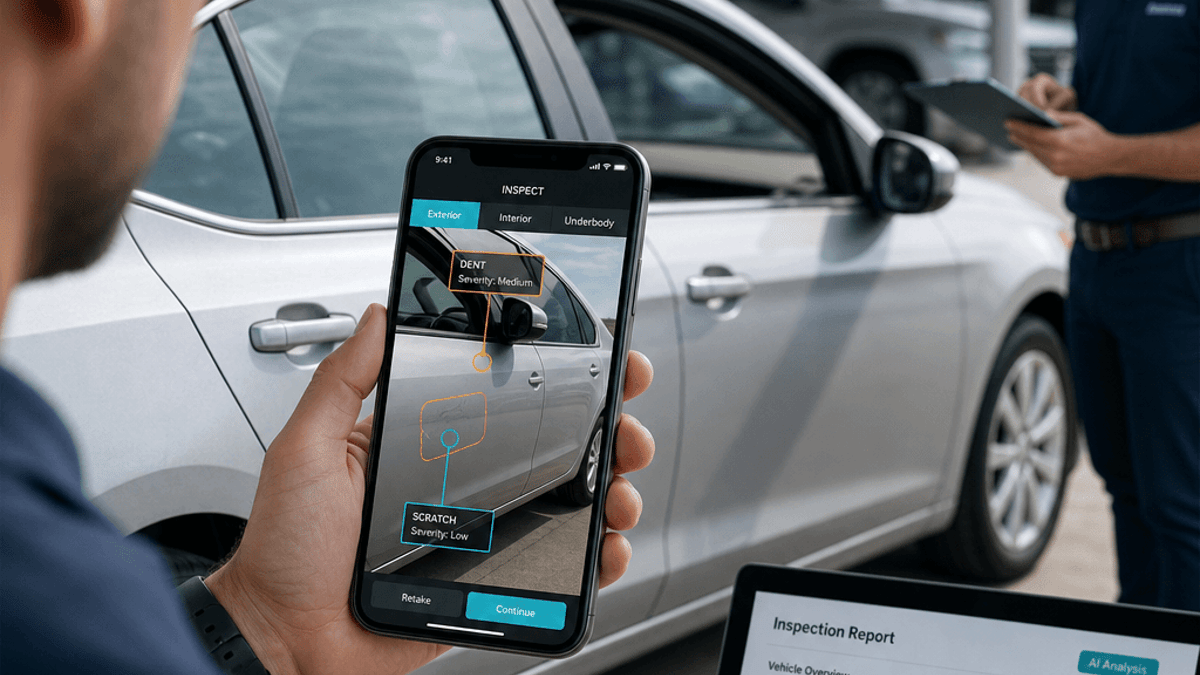
Sheryl Sandberg is making her mark in enterprise AI with a $10 million investment in a startup that’s turning smartphones into vehicle damage detectors. The former Meta executive is leading the funding round alongside Bernthal Venture Partners for the 2021-founded company, which lets enterprise customers scan vehicles for damage using nothing but their phone cameras. It’s Sandberg’s latest move into the AI space and signals growing investor confidence in practical, business-focused computer vision applications.
Sheryl Sandberg is betting big on AI that solves boring but expensive problems. The former Meta COO just led a $10 million investment in a startup that’s replacing clipboard-wielding inspectors with smartphone-powered damage detection, TechCrunch reports.
The company, founded in 2021, has built a platform that lets enterprise customers scan vehicles for dents, scratches, and damage using ordinary smartphone cameras. It’s the kind of unglamorous AI application that’s actually making money – rental car companies, fleet operators, and logistics firms are all dealing with the same headache of manual vehicle inspections that cost time and create disputes.
Bernthal Venture Partners joined Sandberg in the round, which suggests the startup has traction beyond just a high-profile name backing it. The investment marks one of Sandberg’s first major bets since stepping down from Meta’s board in 2024, and it fits a pattern of former tech executives gravitating toward enterprise AI applications rather than consumer plays.
The technology tackles a real pain point. Anyone who’s rented a car knows the routine – circling the vehicle with an attendant, documenting every scratch, hoping you don’t get blamed for pre-existing damage. The startup’s platform automates that entire process, using computer vision models trained to spot and categorize damage severity. For enterprise customers managing hundreds or thousands of vehicles, that’s not just convenience, it’s serious cost savings.
The vehicle inspection market is heating up as computer vision gets better and cheaper. Insurance companies are exploring similar tech for claims processing, while used car platforms are testing automated condition reports. But the enterprise angle – selling to rental companies and fleet managers rather than direct to consumers – gives this startup a clearer path to revenue.
Sandberg’s involvement brings more than just capital. Her track record scaling Meta from startup to advertising giant gives her credibility with enterprise buyers who want to know their vendor will be around in five years. That brand name matters when you’re asking companies to replace established processes with AI-powered alternatives.
The timing is notable too. We’re seeing a shift in AI funding away from pure-play foundation model companies toward practical applications that solve specific business problems. Vehicle inspection might not be as sexy as generative AI, but it’s the kind of vertical-specific solution that actually generates ROI for customers.
The smartphone-first approach is smart. Rather than requiring specialized hardware or cameras, the platform works with devices employees already carry. That lowers the barrier to adoption and makes scaling faster. It’s also a signal that the company understands enterprise buying cycles – IT departments don’t want to manage another piece of hardware.
What’s less clear is how defensible the technology is. Computer vision for damage detection isn’t rocket science anymore, and the startup will face competition from both other startups and potentially from the rental companies themselves building internal tools. The $10 million should help them move fast and lock in customers before the market gets crowded.
For Sandberg, it’s a calculated bet on the unsexy side of AI. While everyone else chases the next ChatGPT, she’s backing tools that help businesses operate more efficiently. That’s where the real money has always been in enterprise software – not in moonshots, but in making everyday operations cheaper and faster.
Sandberg’s $10 million bet on vehicle inspection AI is a reminder that the most lucrative AI applications often solve the most mundane problems. While the tech press obsesses over chatbots and image generators, former Meta leadership is quietly backing tools that help rental companies process returns faster. It’s not flashy, but it’s the kind of practical enterprise AI that actually generates revenue. The real test will be whether the startup can lock in enough major customers before competitors flood the space – because in enterprise software, first-mover advantage and brand-name backing only get you so far. Execution and customer retention will determine whether this $10 million turns into a meaningful return.