Behind every successful digital payment is a web of banks, payment processors, compliance systems, ledgers, and partners. When something goes wrong, finding the source can become an investigation spanning multiple systems and teams.
That’s the problem Miami- and Tel Aviv-based startup Cordant wants to solve.
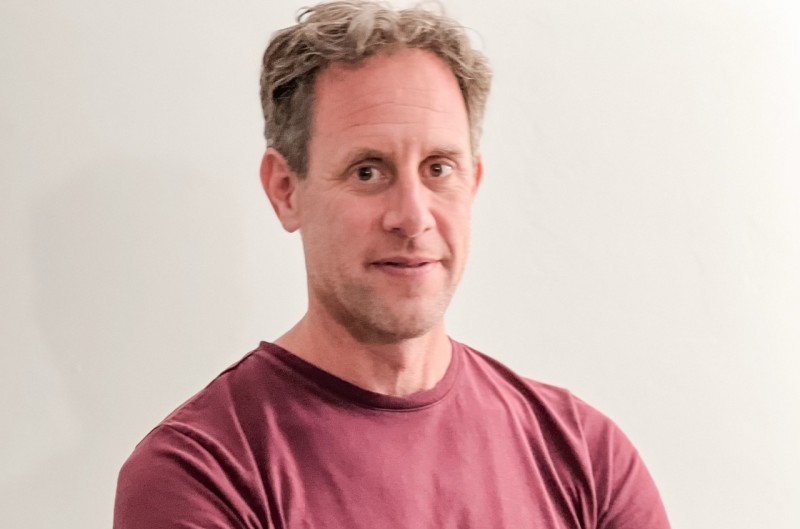
The company emerged from stealth this week with $8 million in seed funding, co-led by Motive Partners and Oak HC/FT, to build what founder and CEO Eric Rosenthal calls a “command center” for banks, fintechs, and payments companies operating across increasingly fragmented financial infrastructure.
Cordant also plans to use the funding to expand its teams in South Florida and Tel Aviv, underscoring the growing relationship between Miami’s fintech ecosystem and Israel’s engineering talent.
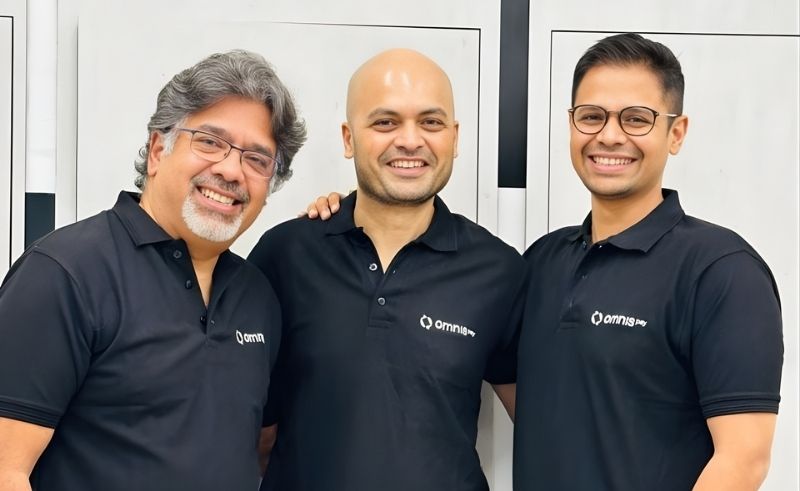
The founding team isn’t new to the payments world. Rosenthal, along with co-founders Lior Levitt, Sagi Ittah, and Juan Jose Huezo, previously held leadership roles at fintech unicorn Rapyd, where they helped build the company’s payments infrastructure across more than 50 countries and over 100 partner integrations.
“At Rapyd, we saw this problem from every side,” Rosenthal said. “We built the infrastructure, integrated the partners, sold it globally and made it work inside customer environments. Cordant is the system we kept needing and could not find.”
Rather than replacing banks’ existing technology, Cordant sits above it, pulling together data from payment rails, bank accounts, compliance platforms, treasury systems, and ledgers to give operations, risk, and audit teams a single view of what’s happening across a transaction.
Rosenthal argues that visibility is becoming even more important as financial institutions begin introducing artificial intelligence into highly regulated workflows.
“Everyone wants to put AI into payments and back-office workflows,” he said. “But institutions cannot automate responsibly if they cannot see or explain it. Context has to come before automation.”
The company says its platform was developed alongside 11 design partners spanning banking, cross-border payments, embedded finance, stablecoins, and digital assets. Those partners include Bitso, Paxos, OpenReserve, and Transcard, with both Bitso and Paxos also participating in the funding round.
For Miami, Cordant adds another infrastructure-focused startup to a fintech sector that has increasingly expanded beyond consumer-facing products into the technology powering global financial services. The company’s footprint also reflects a model becoming more common among South Florida startups: commercial leadership and customer relationships in Miami paired with engineering teams in Tel Aviv.
The seed round also included participation from Bankless Ventures, FJ Labs, SignalFire, Quona Capital, Selah Ventures, FlatironX, SilverCircle, Generative Ventures, Nascent VC, and other investors.
With the new funding, Cordant plans to bring its platform into production, expand its private beta deployments, and grow its teams in both Florida and Israel.
As Rosenthal put it, the goal is straightforward: “Money moves in real time, but understanding where a transaction went, which systems and partner acted, who authorized it and whether the records agree still depends on weekly and monthly reporting. We built the layer that was missing.”
This article may be updated.
READ MORE IN REFRESH MIAMI:

I am a Miami-based technology researcher and writer with a passion for sharing stories about the South Florida tech ecosystem. I particularly enjoy learning about GovTech startups, cutting-edge applications of artificial intelligence, and innovators that leverage technology to transform society for the better. Always open for pitches via Twitter @rileywk or www.RileyKaminer.com.