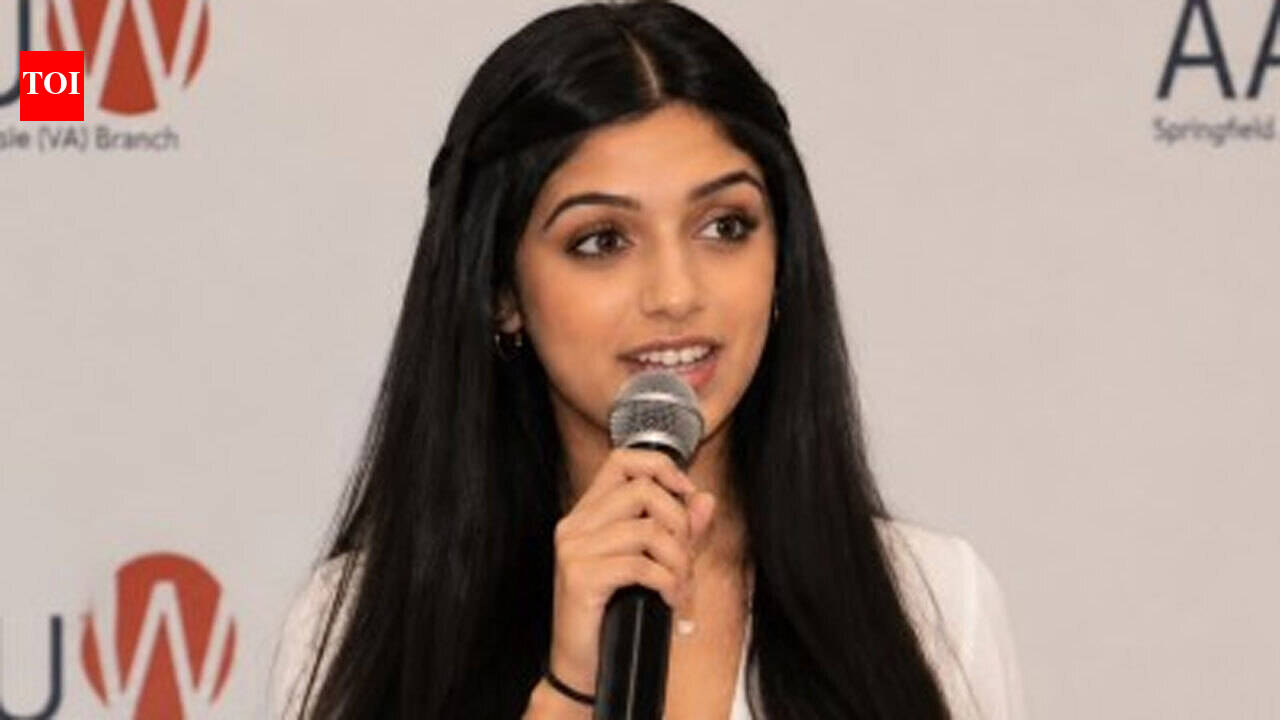

A school ban on ChatGPT might sound like an unlikely starting point for an AI entrepreneur. For 17-year-old Navya Tuteja, however, being unable to use generative AI during the school day may have shaped the way she approaches the technology today.A senior at Thomas Jefferson High School for Science and Technology in Virginia, Tuteja recently launched Raaha, a free platform designed to help neurodivergent job seekers assess whether a job listing is a suitable match before applying. According to Fortune Daily, the platform has already attracted more than 1,000 users and 20,000 job listings.
How the idea for Raaha began
The idea grew partly from Tuteja’s experience with her mother, who is hard of hearing, and from what she observed about job advertisements aimed at neurodivergent candidates.Many listings, she noticed, focus heavily on what employers expect while offering little insight into what the actual working environment or day-to-day experience might be like.Raaha attempts to address that gap by analysing listings across several factors and giving applicants a clearer indication of potential fit.Tuteja built the platform herself and has kept it free while developing the product. Fortune Daily reports that her longer-term plan could involve employers and workforce organisations paying to use the platform or improve their job postings.
Her school blocks ChatGPT
Tuteja is also president of her school’s AI club, making the school’s restrictions on generative AI particularly notable.The school’s WiFi blocks ChatGPT, Claude and similar tools. Tuteja told Fortune Daily that the restriction meant she used AI “way less” during school and ultimately forced her to do more schoolwork and exam preparation independently.She does not believe generative AI itself is necessarily the problem. Instead, she said, “People just don’t know how to use it properly.”That distinction has shaped her own approach. Although she uses AI for tasks such as drafting emails and organising complicated information, she says she avoids it for learning material that she will eventually need to know for exams.
How she uses AI to build her startup
Tuteja wrote the underlying algorithm for Raaha herself, while using AI mainly for more mechanical aspects of the project, including parts of the website’s design.She has also been open about the fact that AI played a role in building her company, although she understands why some young founders may hesitate to disclose it.“People are going to have a different impression,” she told Fortune Daily, explaining that some may assume that using AI means the person did not actually build the product themselves.Her position is that AI use should be transparent. “If you’re very transparent about what you use it for, and you actually didn’t use it to create your whole company, then I don’t think there’s any reason to be embarrassed,” she said.
Another AI project focused on education
Raaha is not Tuteja’s only project. She has also developed Legible, a tool intended to translate complicated special-education documents, including IEPs and 504 plans, into simpler language for families.The project came from another concern she noticed while working with AI-generated summaries: important sources could sometimes disappear from the explanation.Tuteja subsequently proposed a transparency framework called Traceable Accessibility and has discussed the idea with state senators and the U.S. Department of Education.
She doesn’t think banning AI is the answer
Despite her experience benefiting from a school environment where AI tools were restricted, Tuteja does not believe banning generative AI is the right long-term approach.“I don’t think banning it is the solution,” she told Fortune Daily. “I think you have to regulate it in the right way.”For now, she plans to attend college. But if Raaha continues to grow, the teenager says she would consider running the startup full-time.